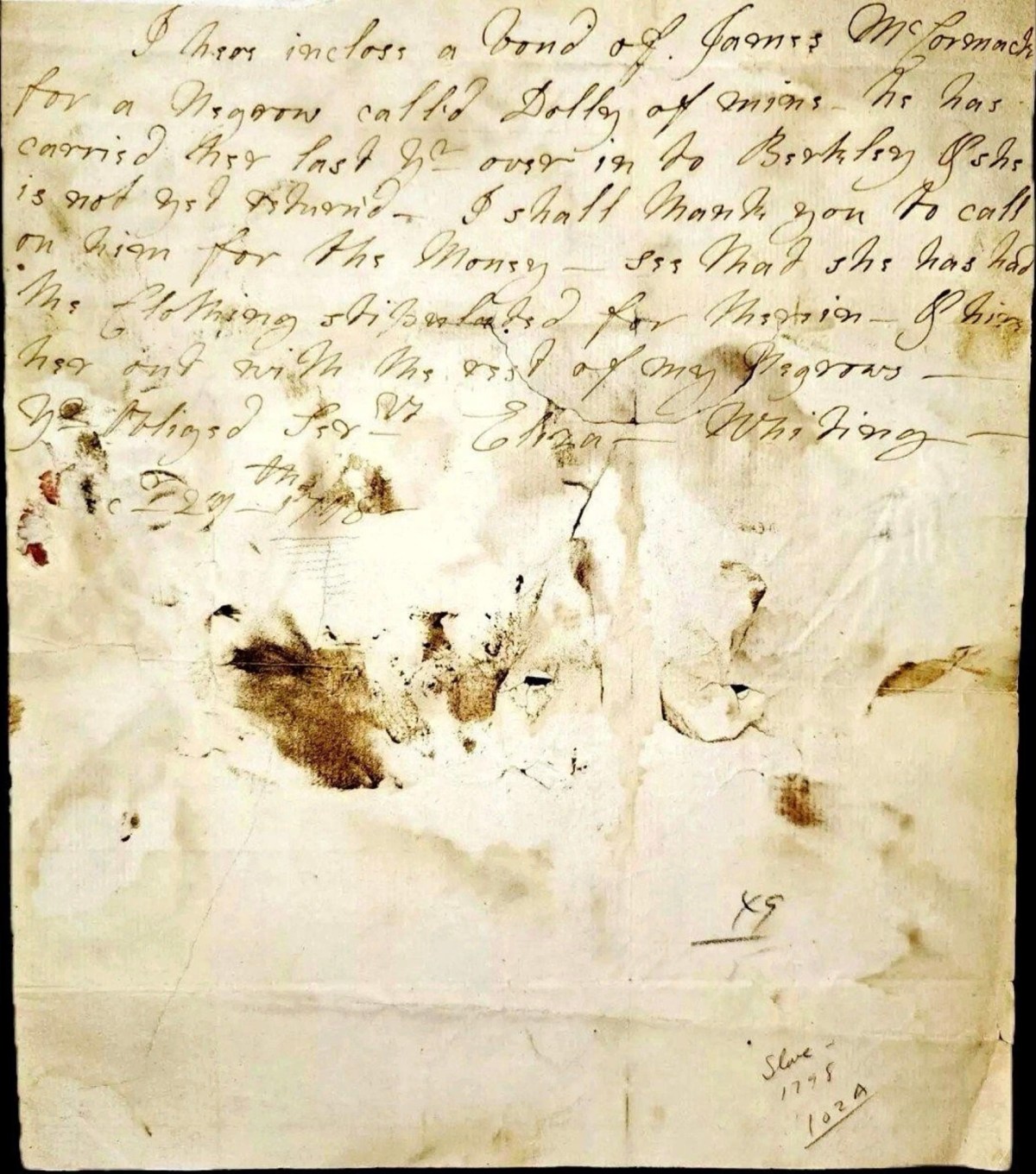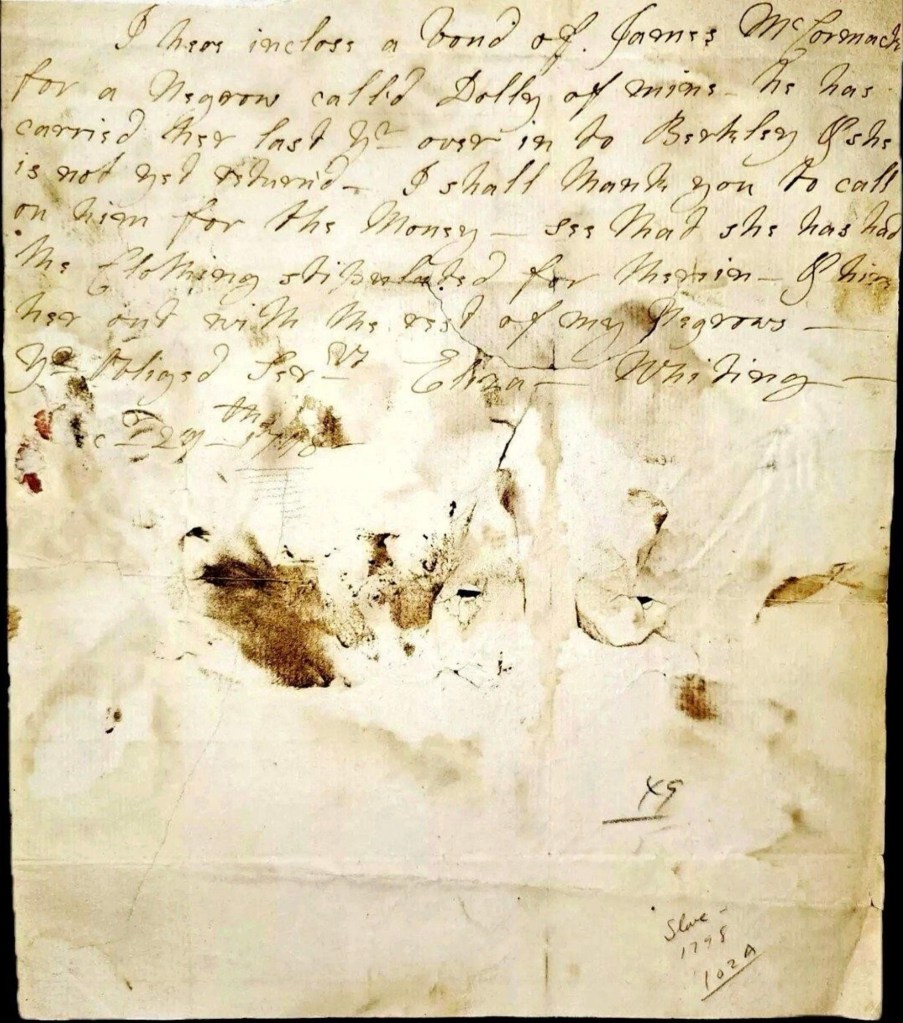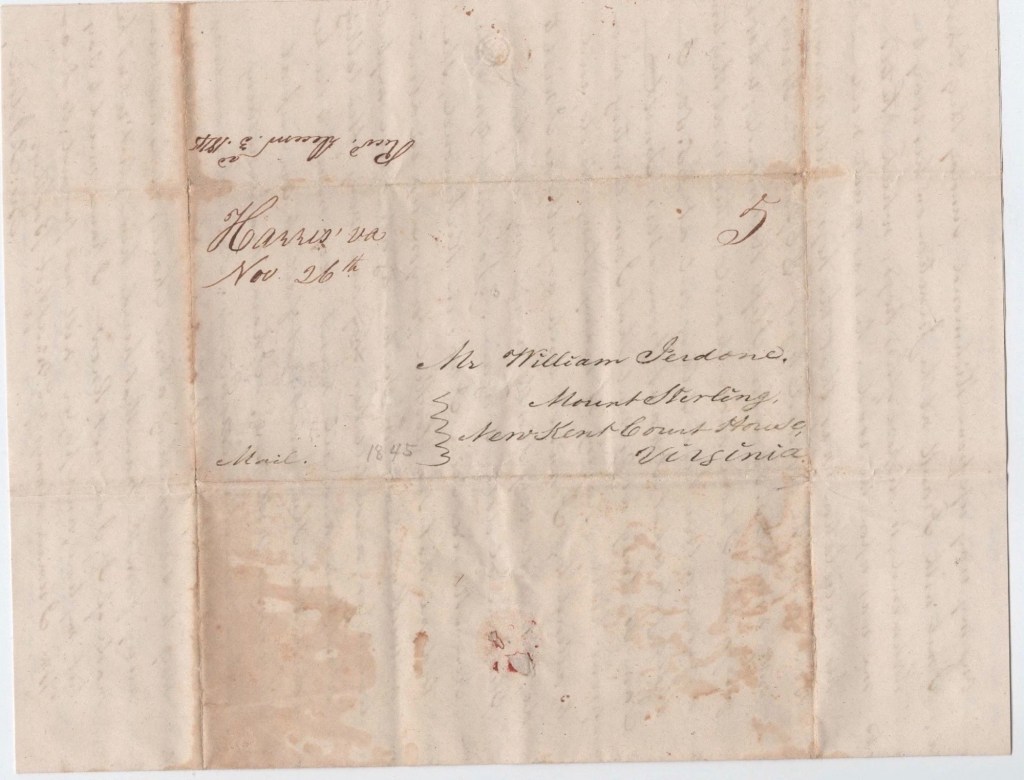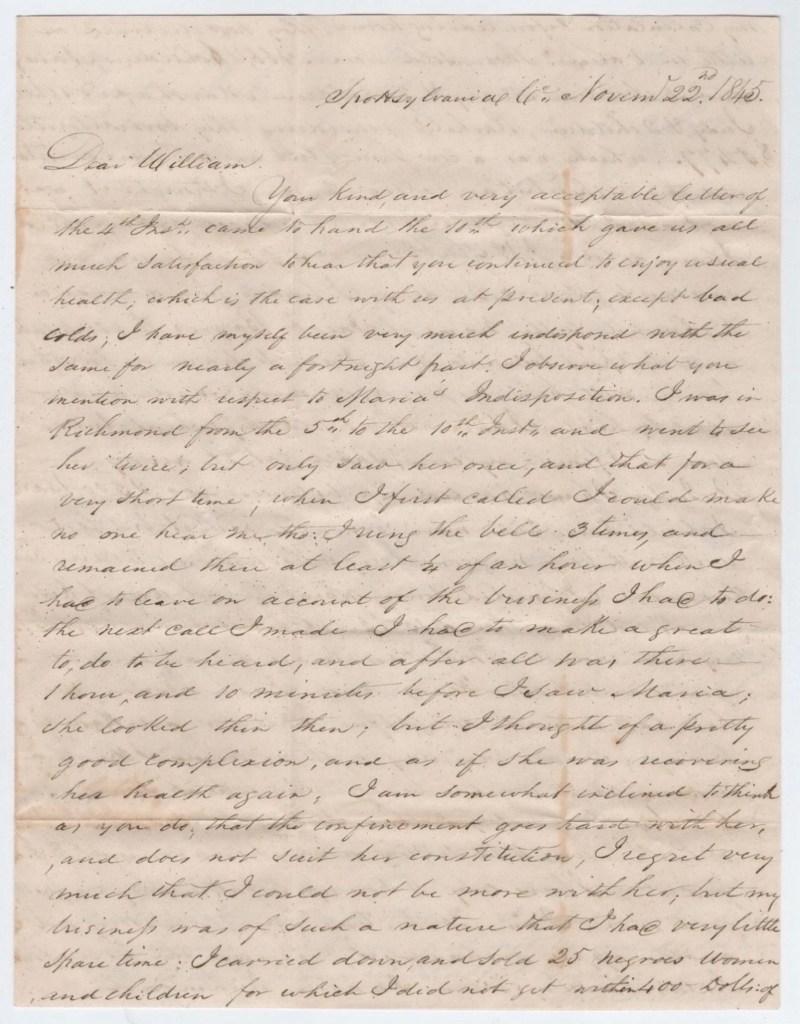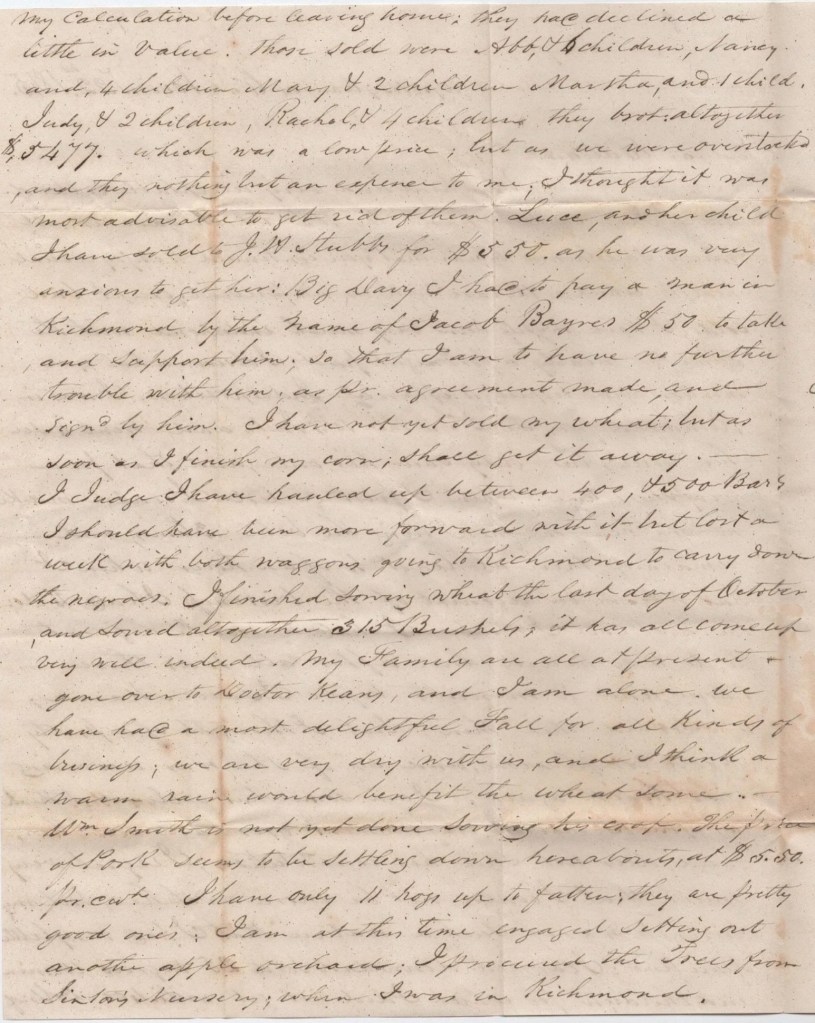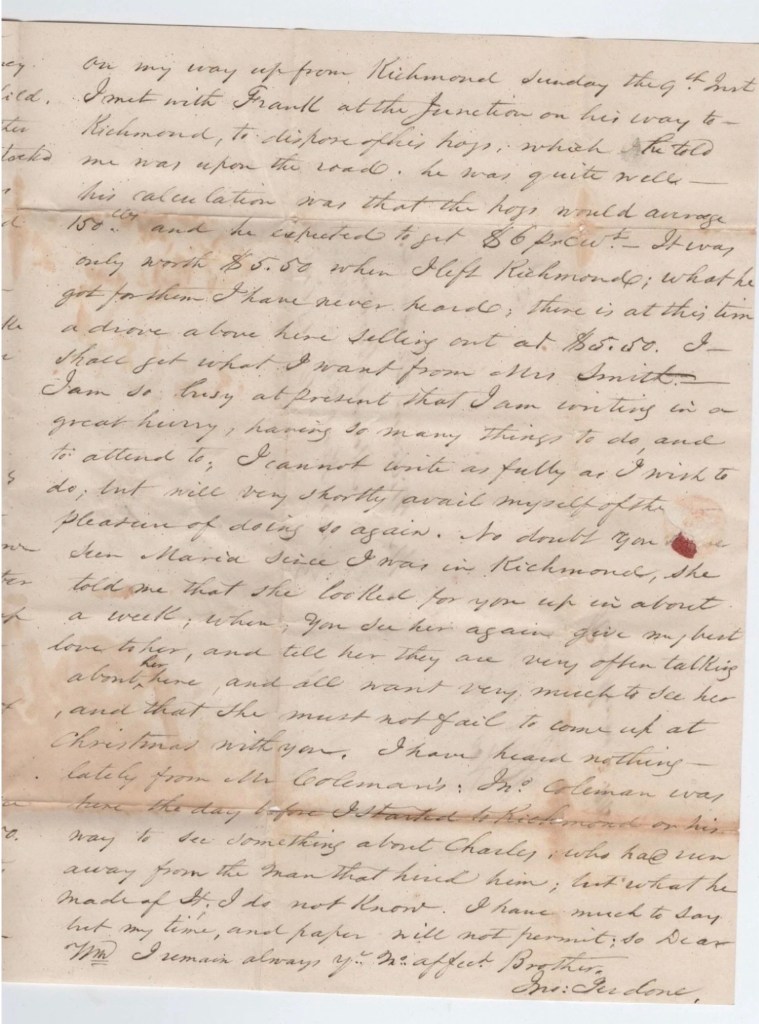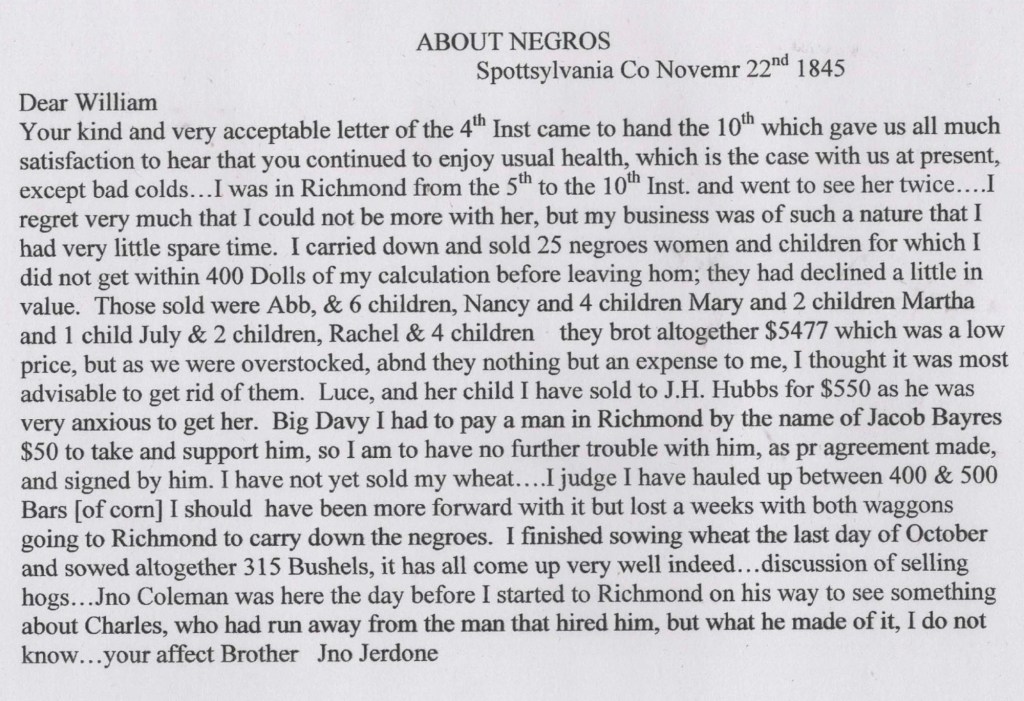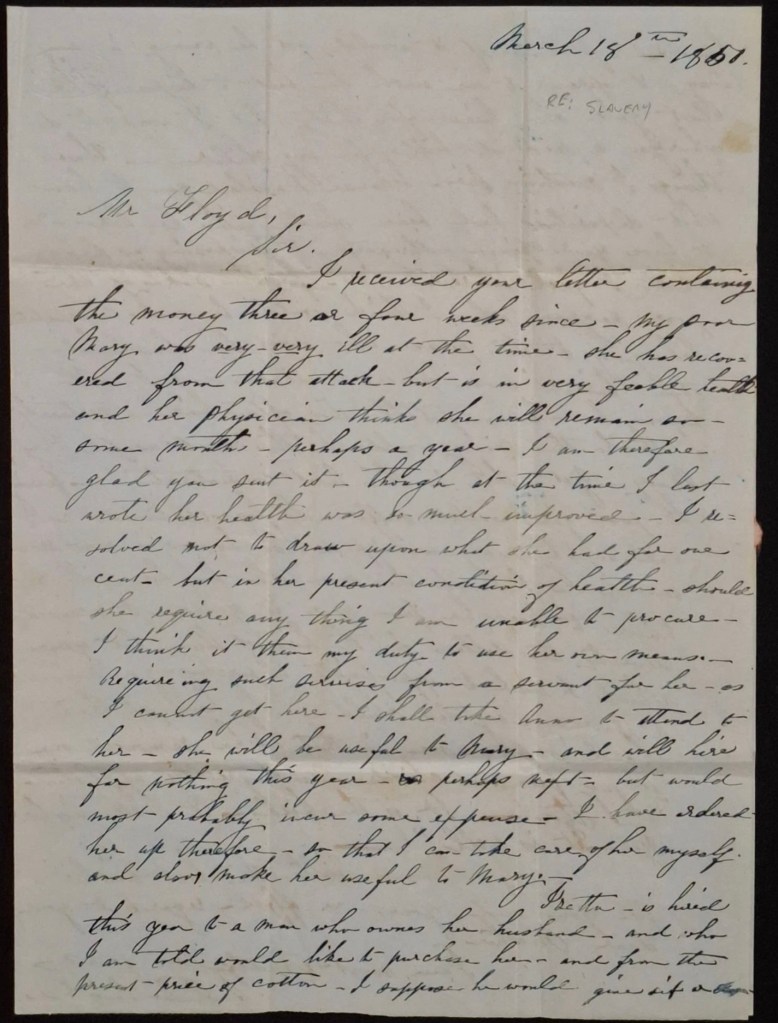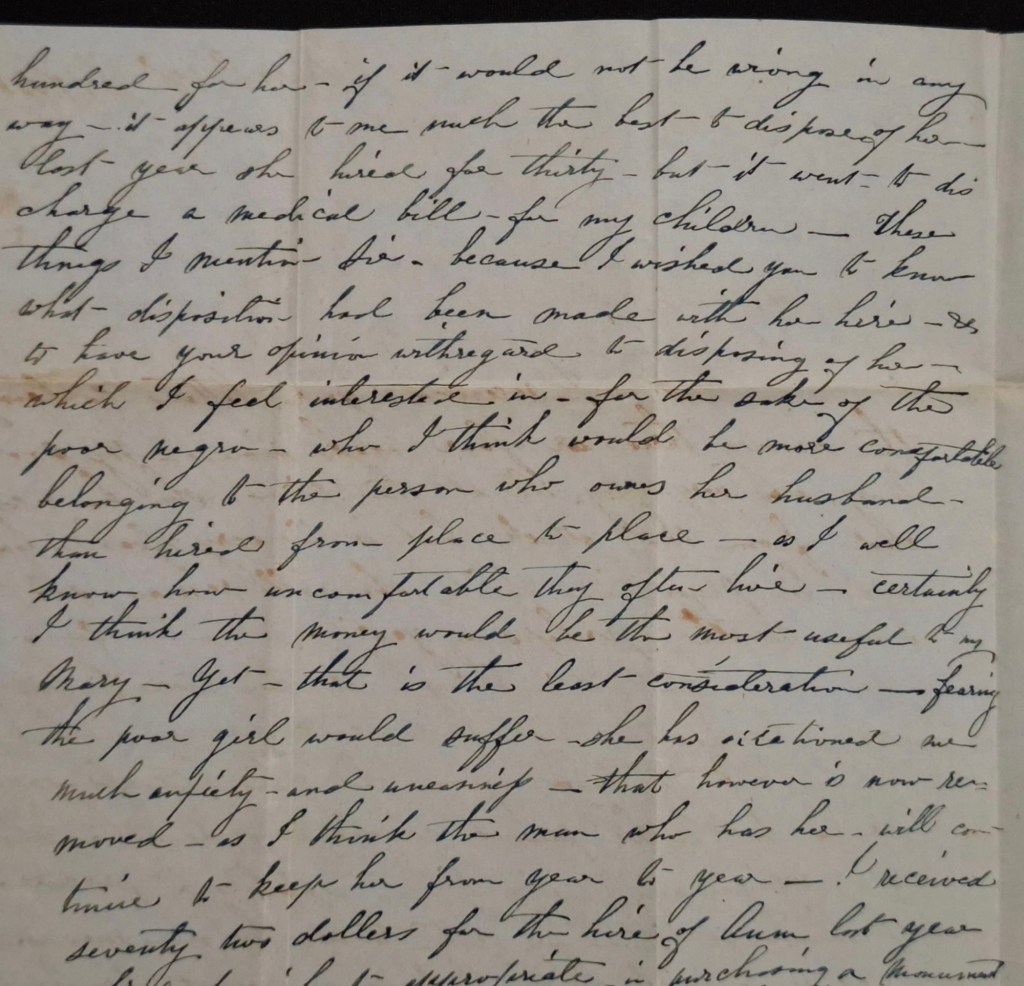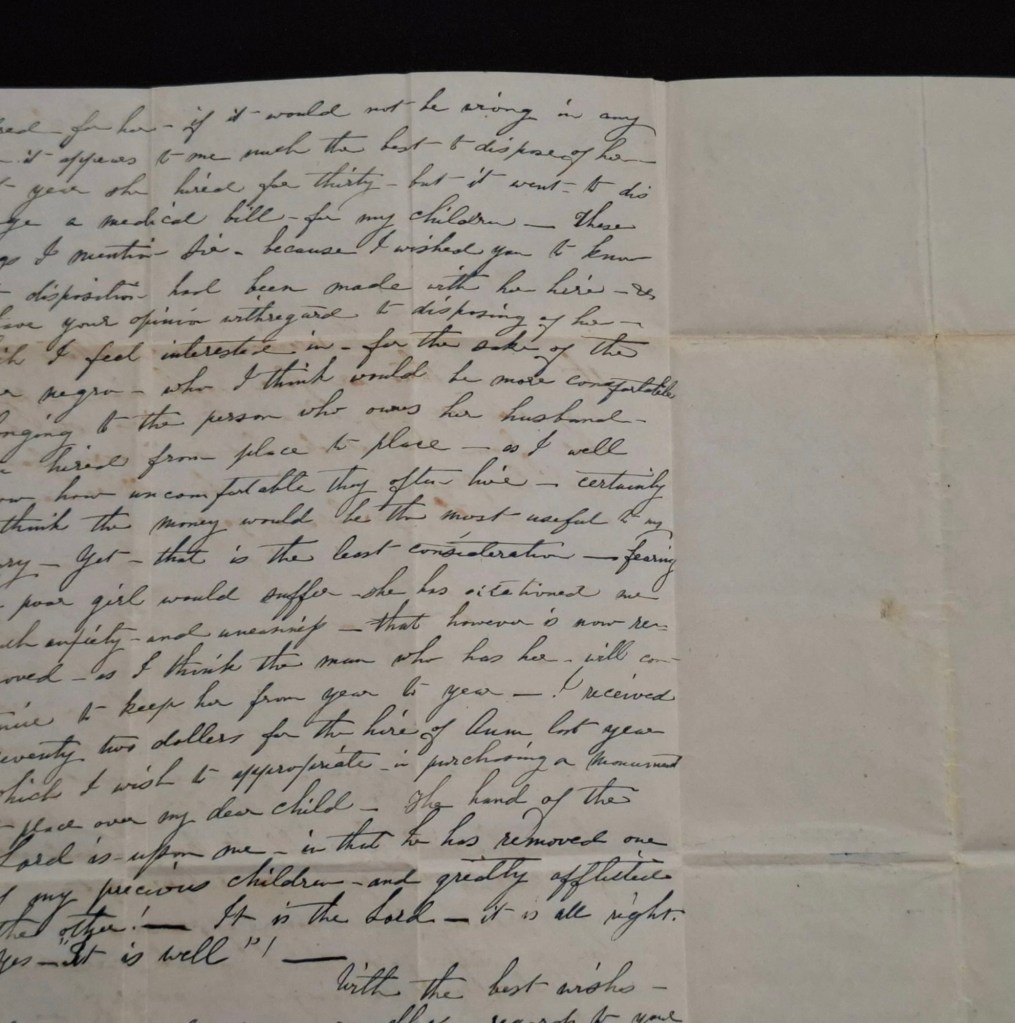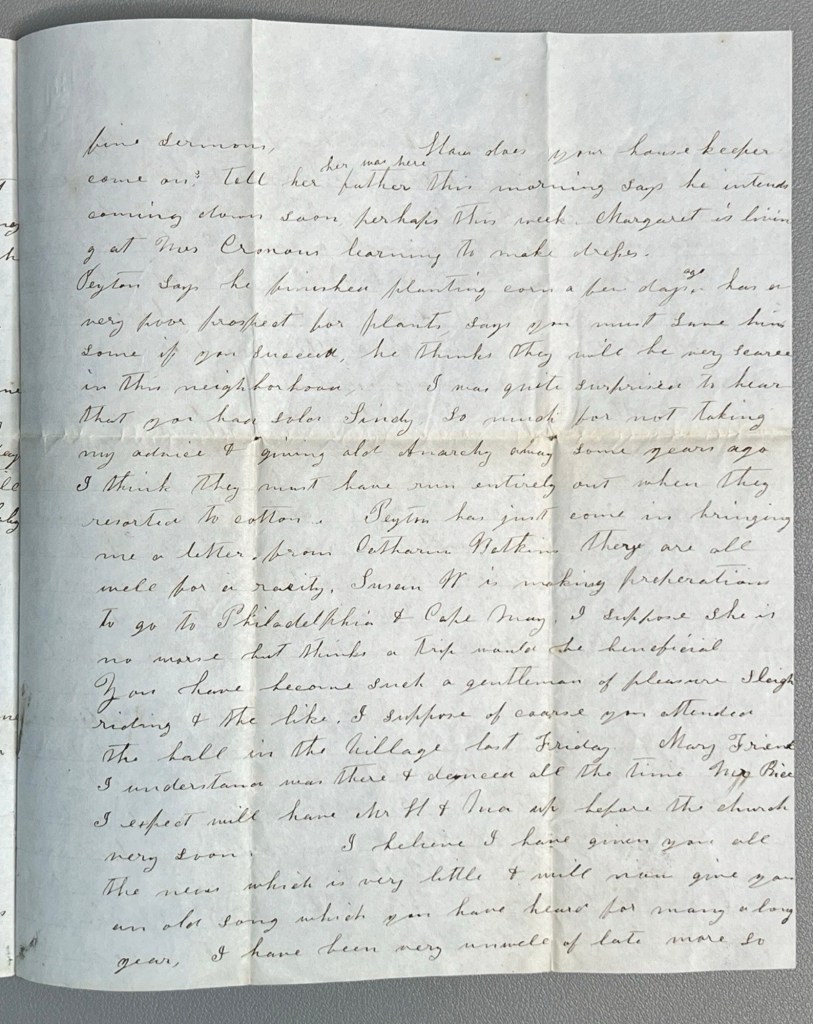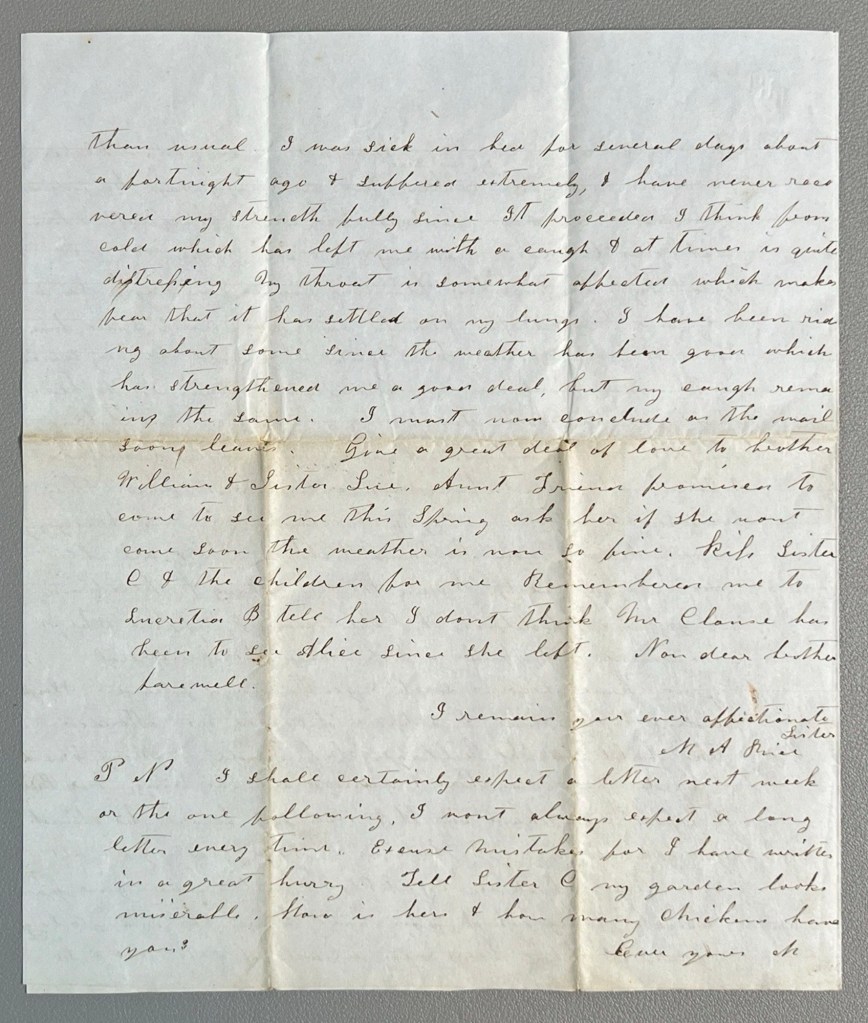
Journal of the Roanoke Historical Society, Vol 7/#2, page 50-52
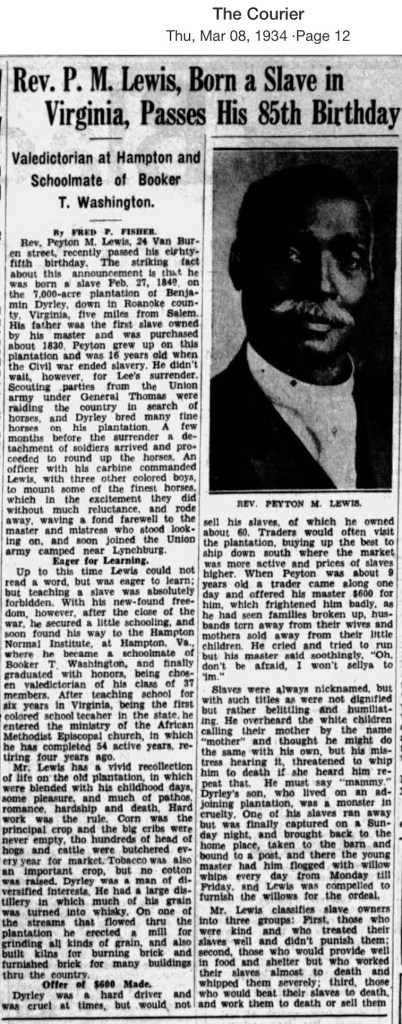
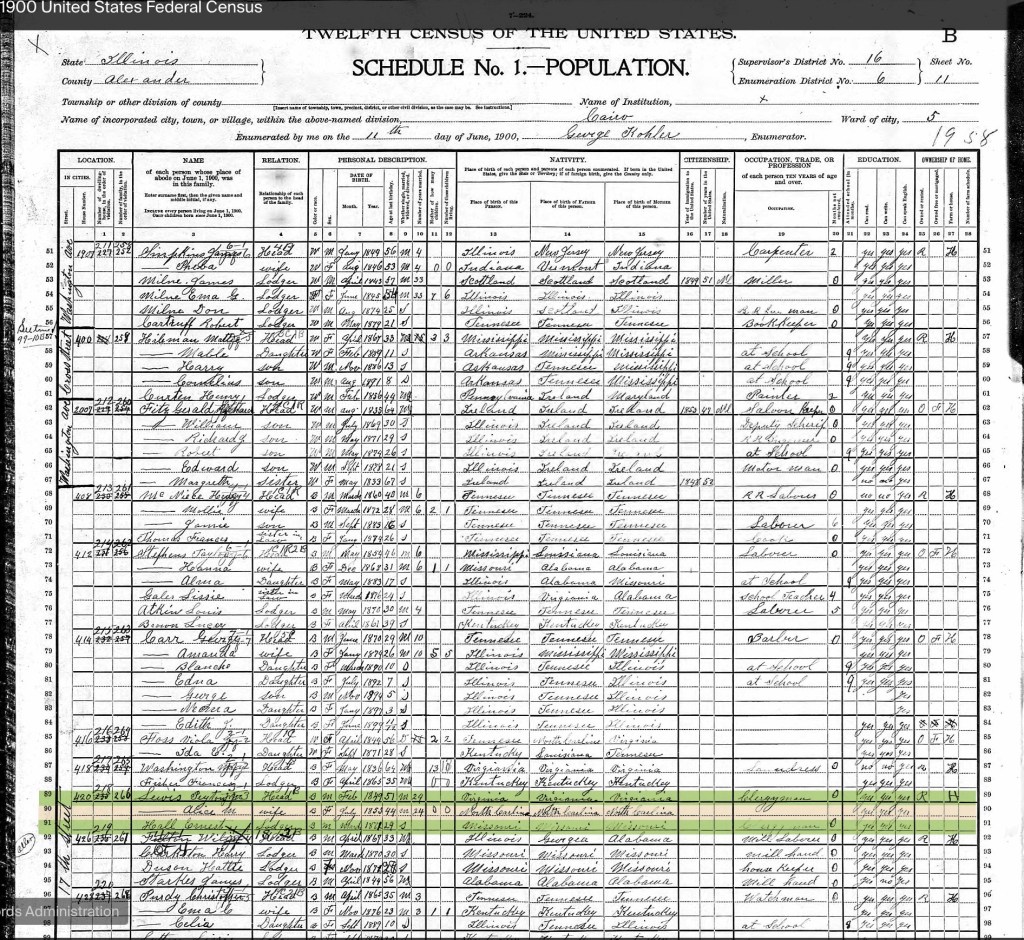
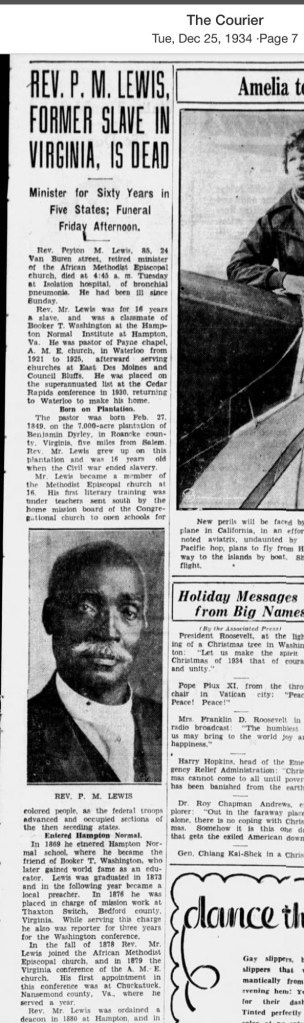
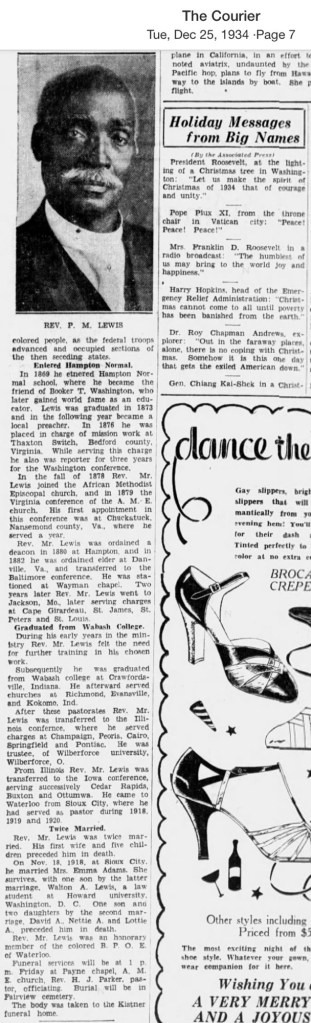
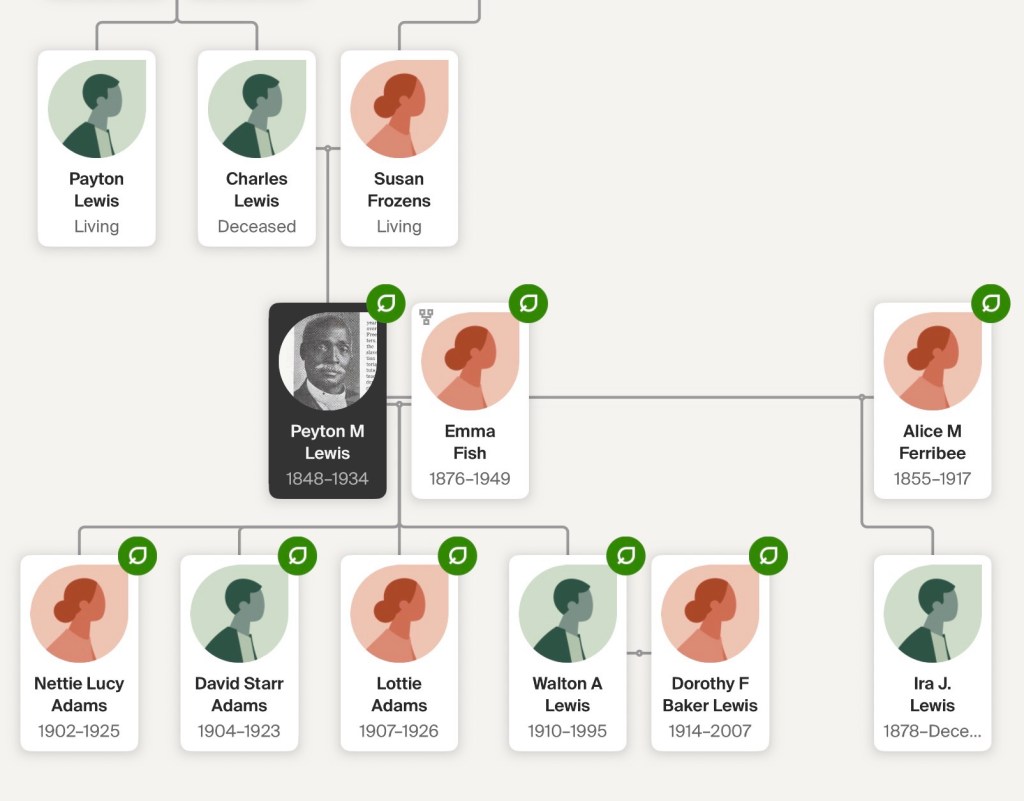
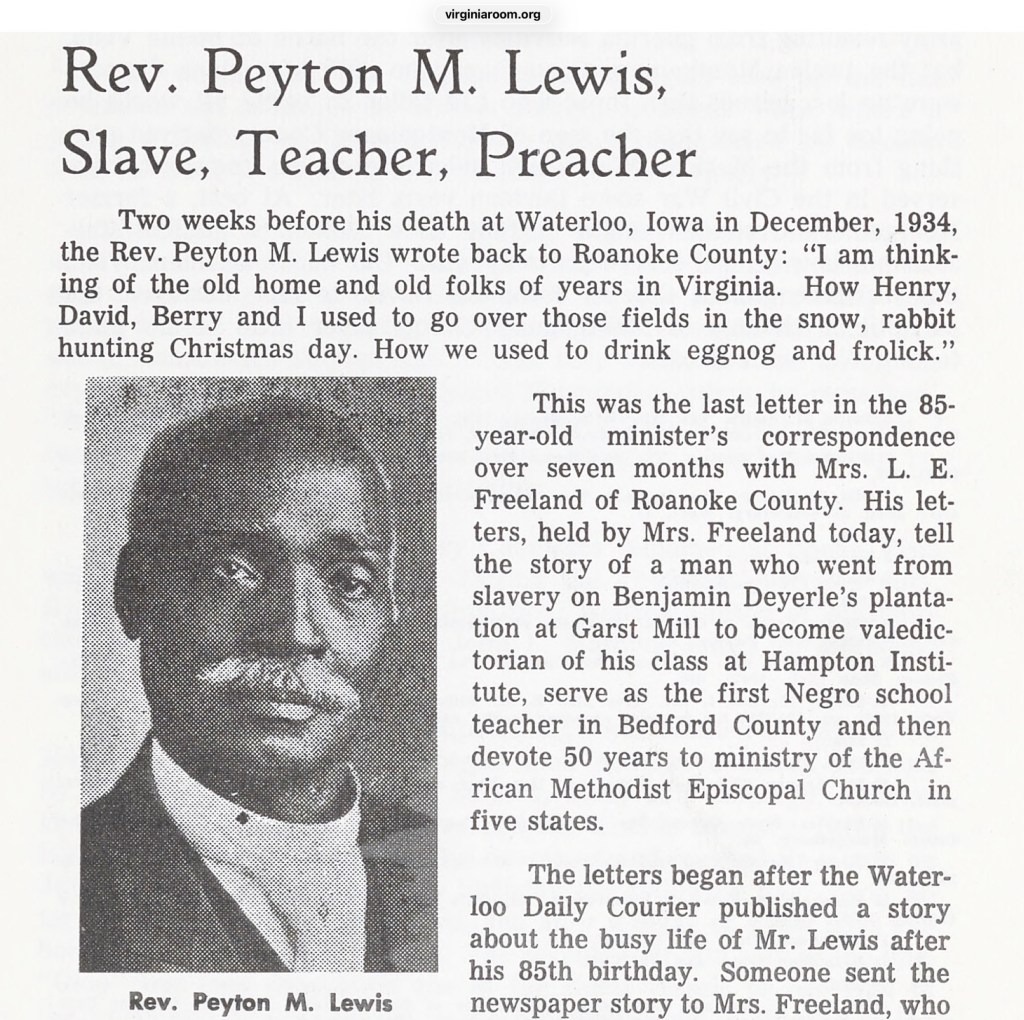
One remarkable story tucked away in the Journal of the Roanoke Historical Society (Vol. 7, p. 50) follows the extraordinary life of Rev. Peyton M. Lewis (1849–1934), whose own recollections of slavery were first published in the Waterloo Daily Courier of Iowa in 1934. His life traces an inspiring journey from enslavement in Bedford County, Virginia, to becoming an educator, minister, and respected leader.
Peyton M. Lewis was born enslaved in 1849 on the plantation of Benjamin and Julia Deyerle near Garst Mill in Bedford County. His father, Charles Lewis, was a highly skilled brick maker and distiller who, along with his brother Peyton, had been purchased by Benjamin Deyerle in Richmond. Benjamin Deyerle was one of western Virginia’s best-known builders, responsible for constructing brick homes, mills, public buildings, and a large whiskey distillery throughout the South West Virginia, including Blacksburg and Christiansburg.
Lewis vividly described the work he performed while enslaved. As a boy he molded bricks, hauled flour and whiskey with a two-team ox wagon, and cleaned and polished the family’s shoes. He also recalled that Uncle Dick and Richard Taylor served as carriage drivers for the Deyerle family. His memories provide a rare first-person account of everyday labor on a western Virginia plantation.
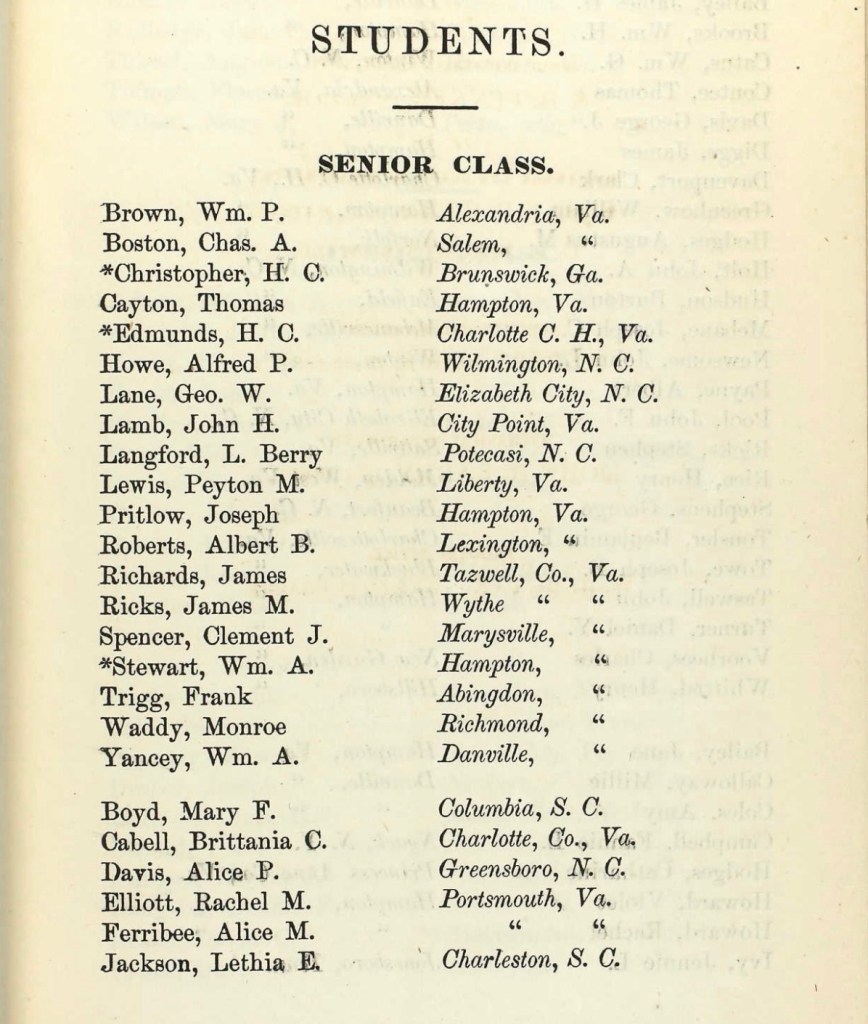
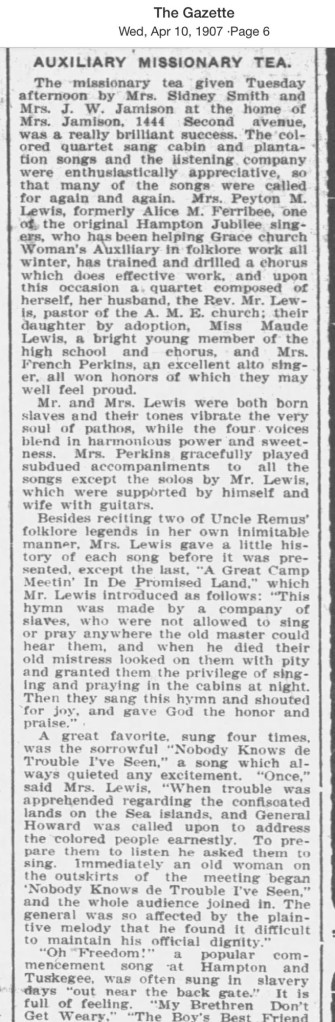
Freedom came in 1865 when Peyton was 16 years old, opening opportunities that had previously been denied him. Lewis participated in mission schooling for formerly enslaved children, where a teacher recognized his abilities and encouraged him to continue his education at the newly founded Hampton Normal and Agricultural Institute. Entering only a year after the school opened, he graduated in 1873 as valedictorian of a class of just seventeen students. There he met fellow student Alice Ferribee (1855-1917) of Elizabeth City, North Carolina, whom he married shortly after graduation.
Returning to Bedford County, Lewis became the county’s first Black public school teacher. He wrote candidly about the challenges of establishing schools during Reconstruction, often teaching in log churches and abandoned cabins because no schoolhouses existed. In an 1893 Hampton alumni publication, he reported having taught more than 600 children, with at least eleven of his former students becoming teachers themselves. His work took him to Liberty (now Bedford), Thaxton Switch, and Bunker Hill, where he helped lay the foundation for public education in Black communities.
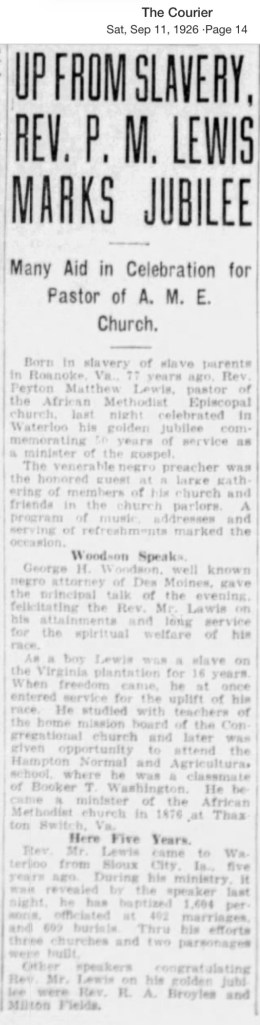
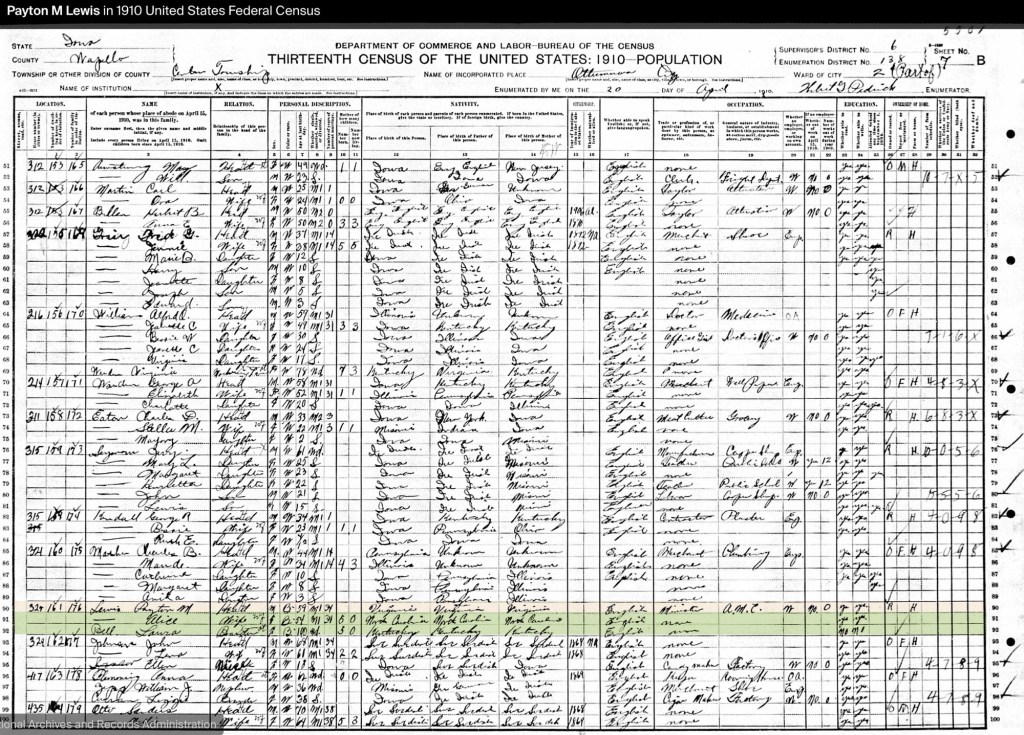
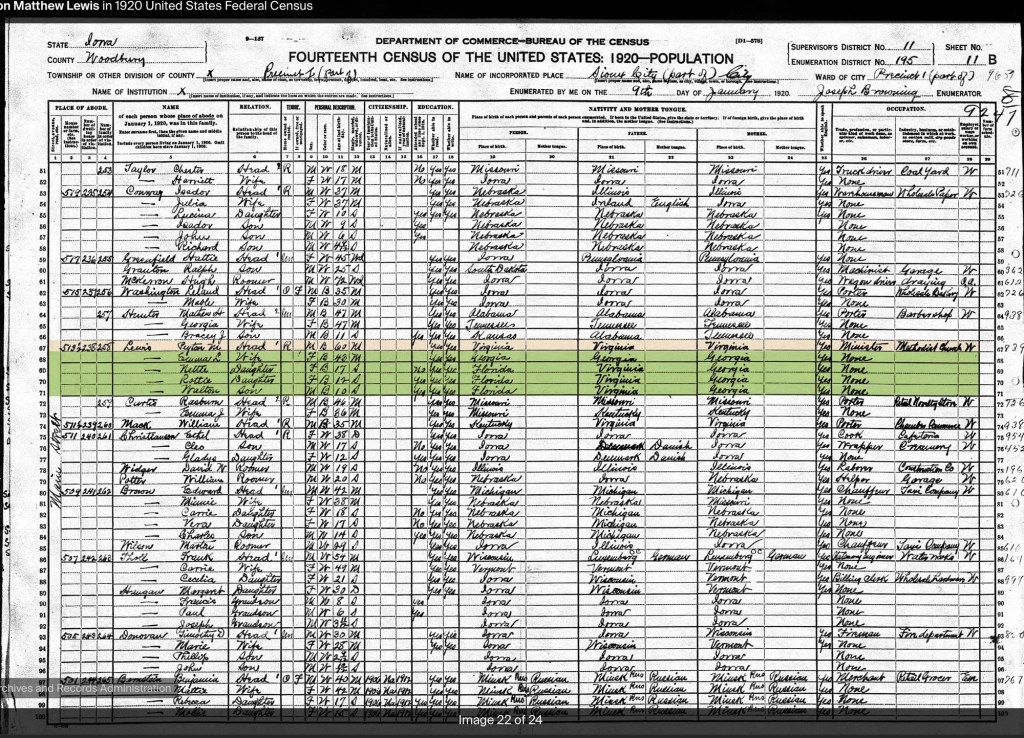
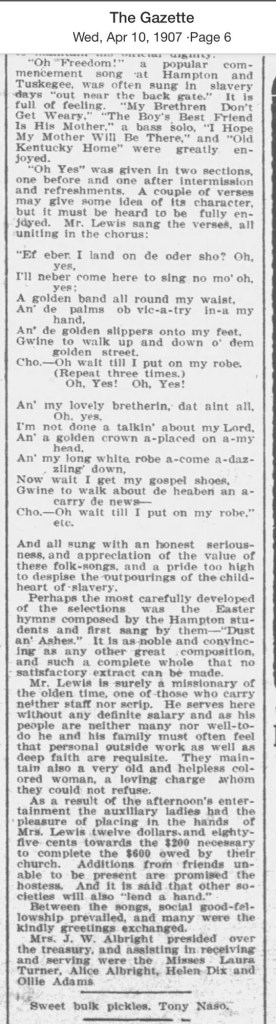
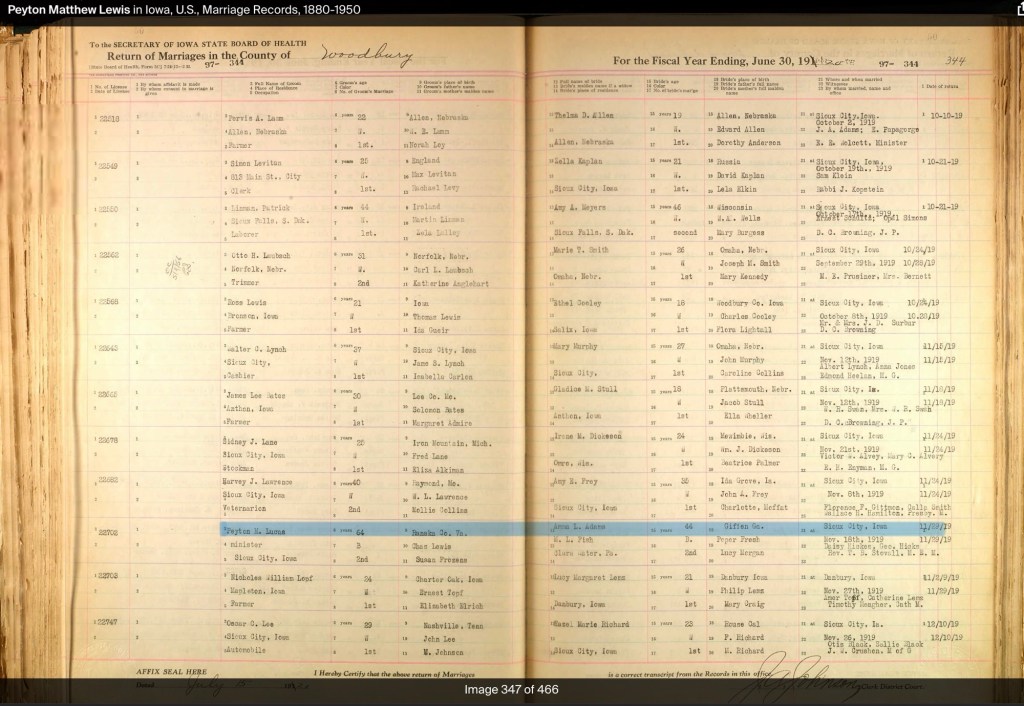
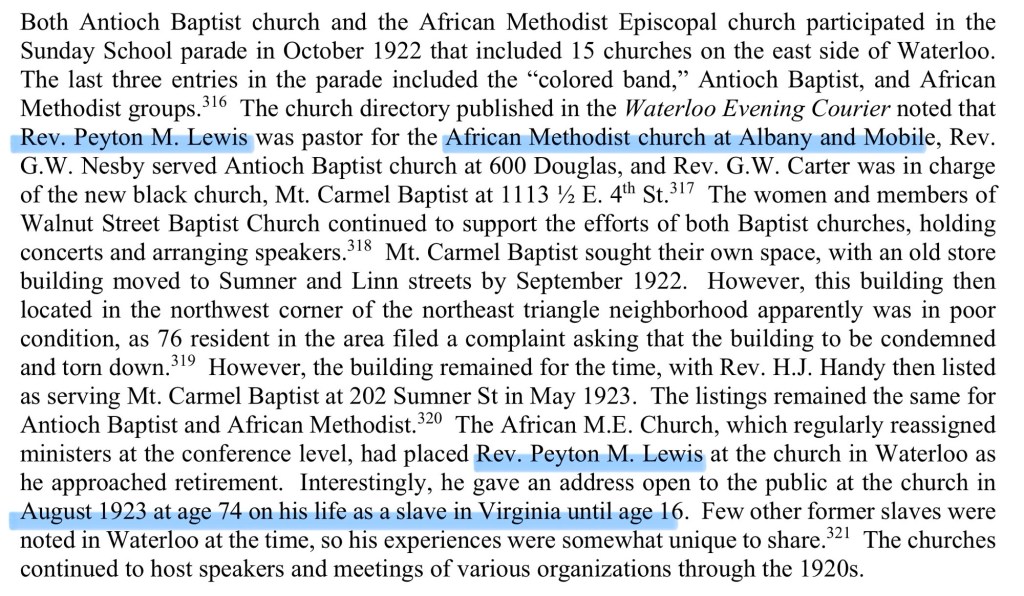
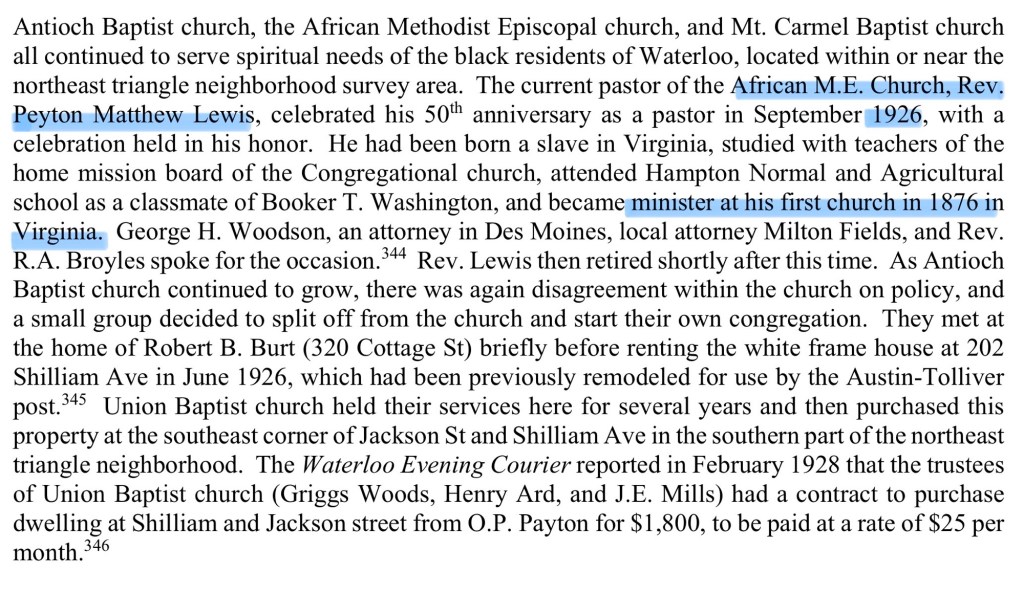
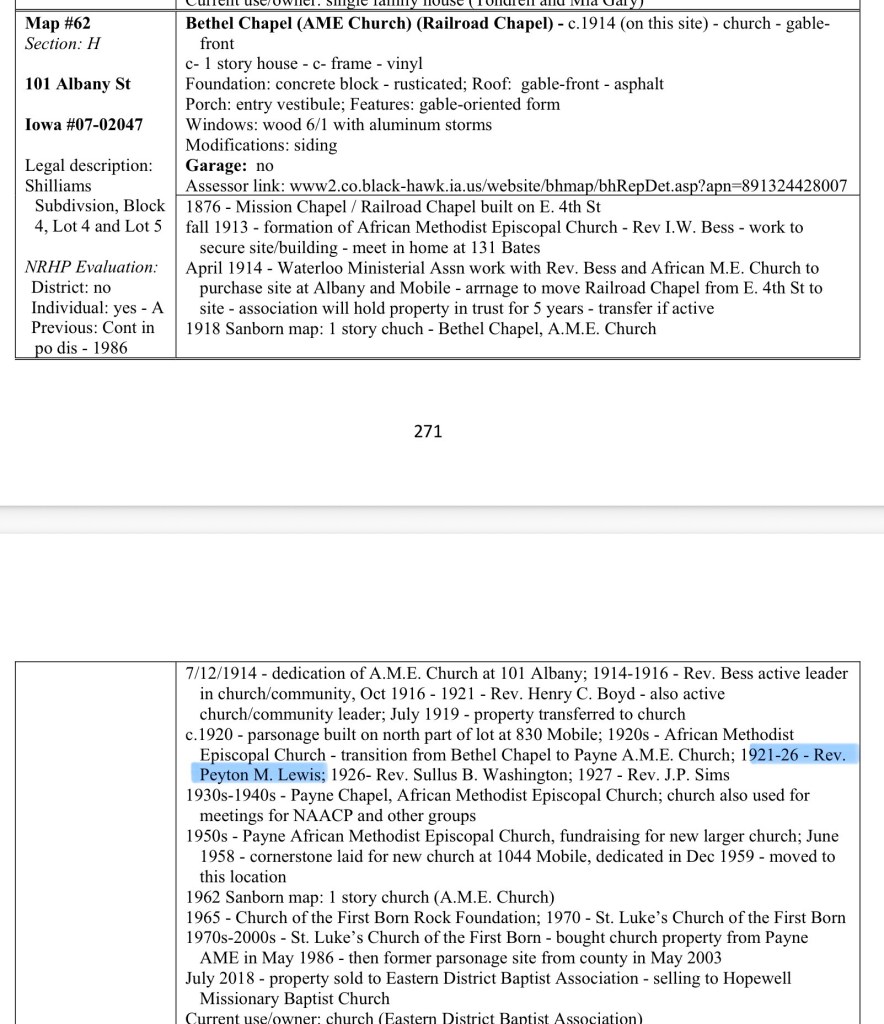
Lewis later attended Wabash College in Indiana and was ordained as a minister in the African Methodist Episcopal (AME) Church. His ministry spanned more than fifty years across several states. By 1926, the citizens of Waterloo, Iowa, celebrated his fiftieth anniversary in the ministry, noting that his first wife, Alice Ferribee for Elizabeth City, NC, had been a year ahead of Booker T. Washington at Hampton and he had devoted his life to education and the church. (cityofwaterlooiowa.com)
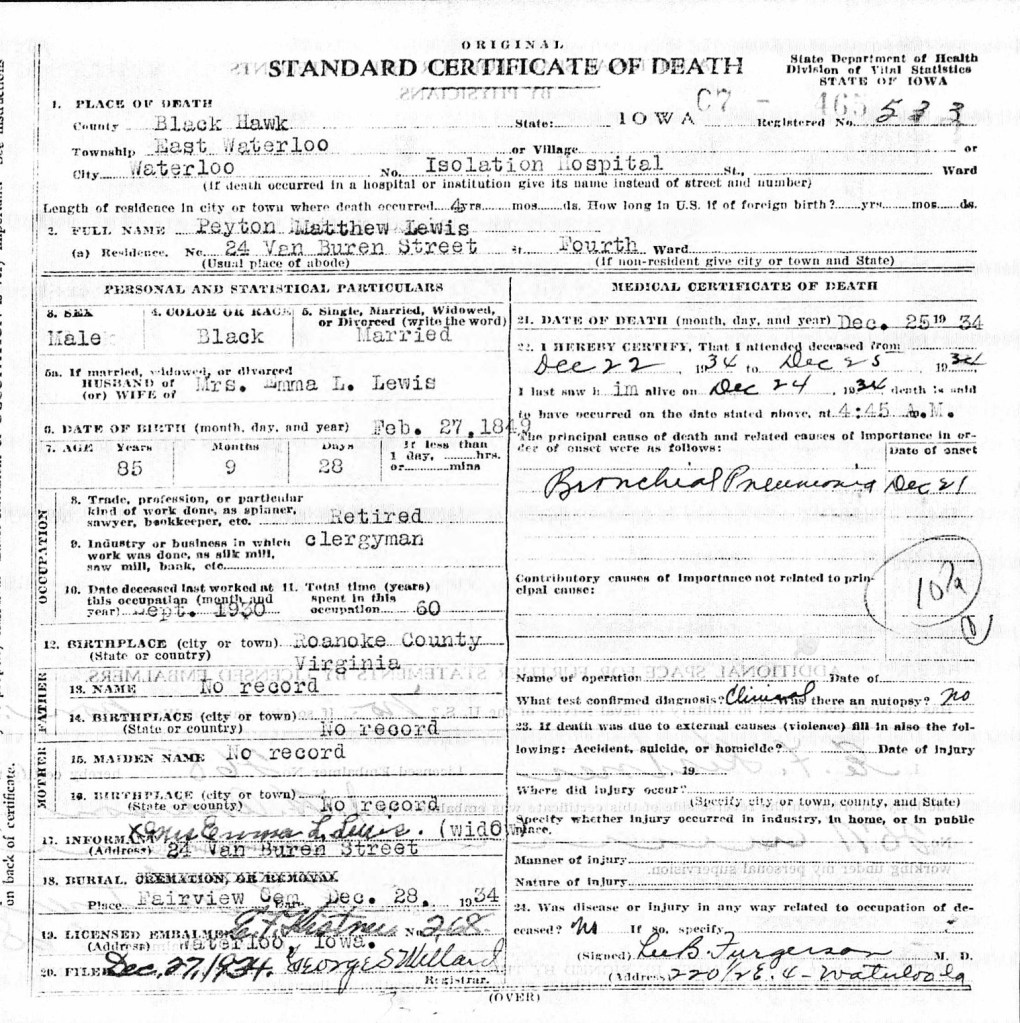
Rev. Peyton M. Lewis died in Waterloo, Iowa, in December 1934. Like many African Americans who left Virginia during the late nineteenth and early twentieth centuries, he settled in Iowa seeking greater economic opportunity and a community less constrained by the racial oppression of the Jim Crow South.
Further Research
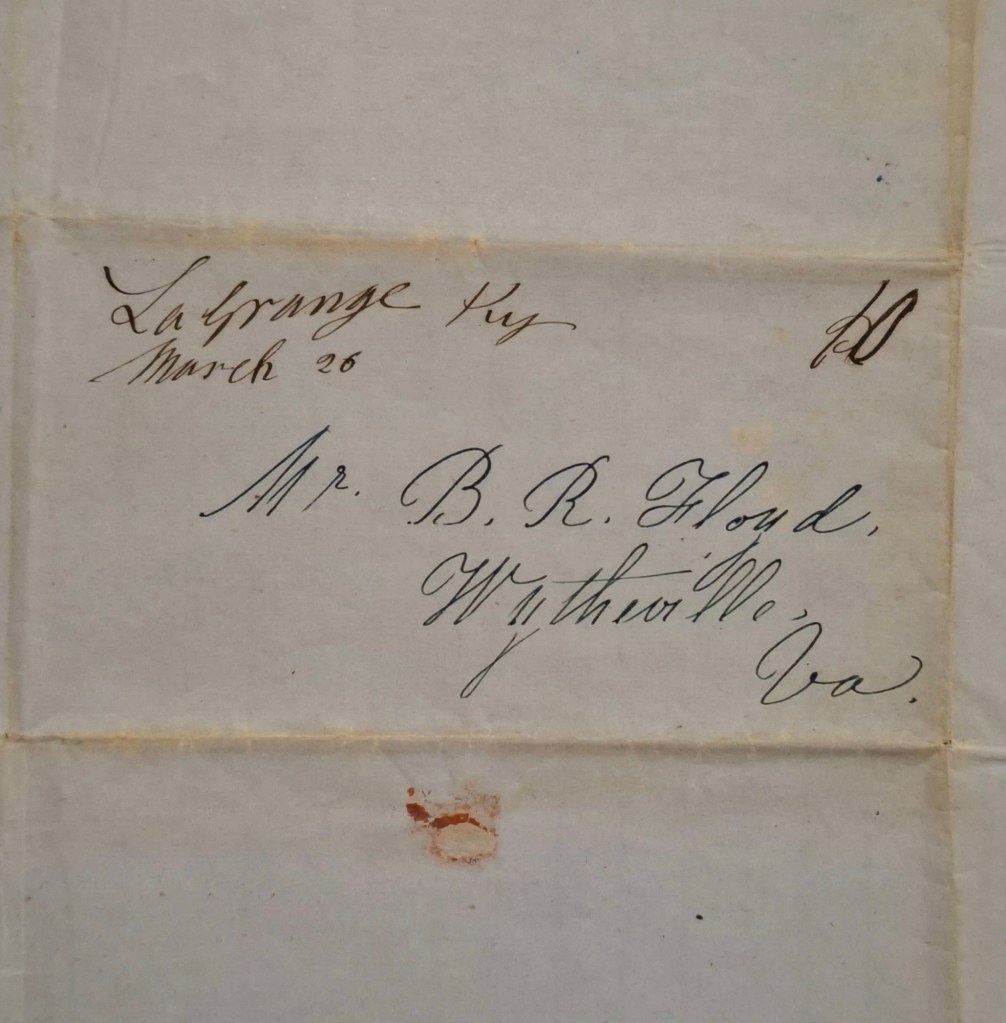
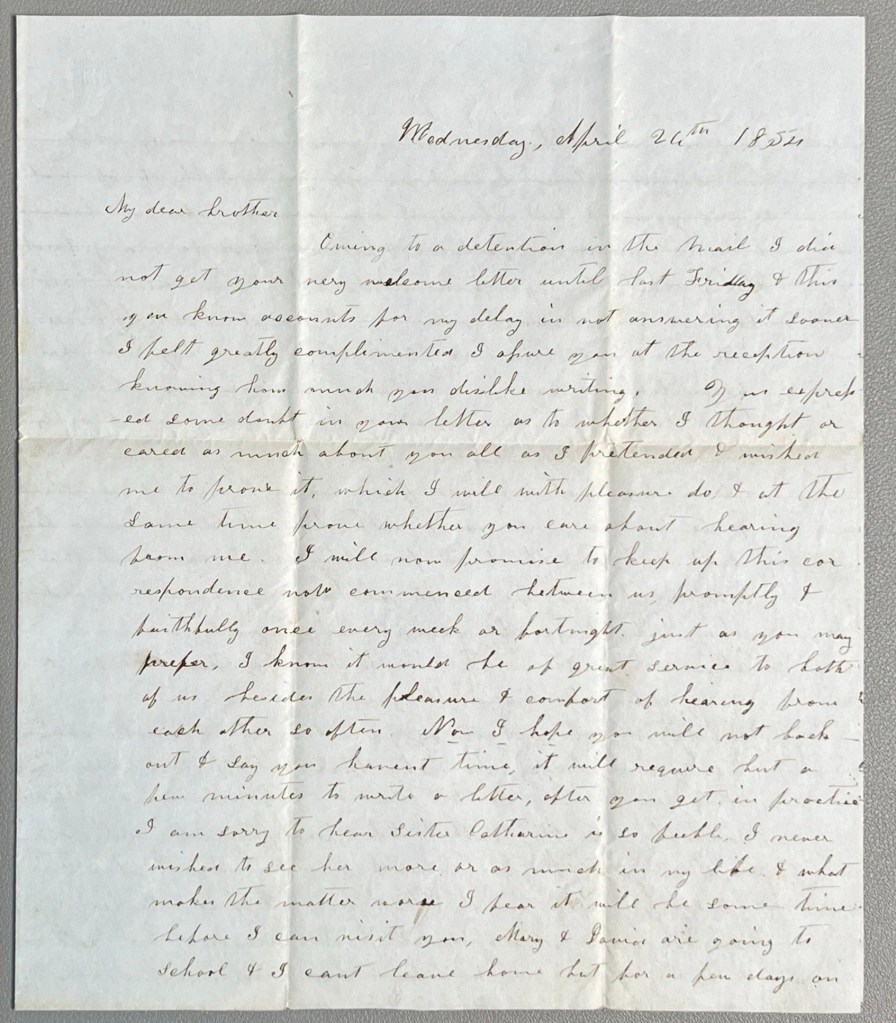
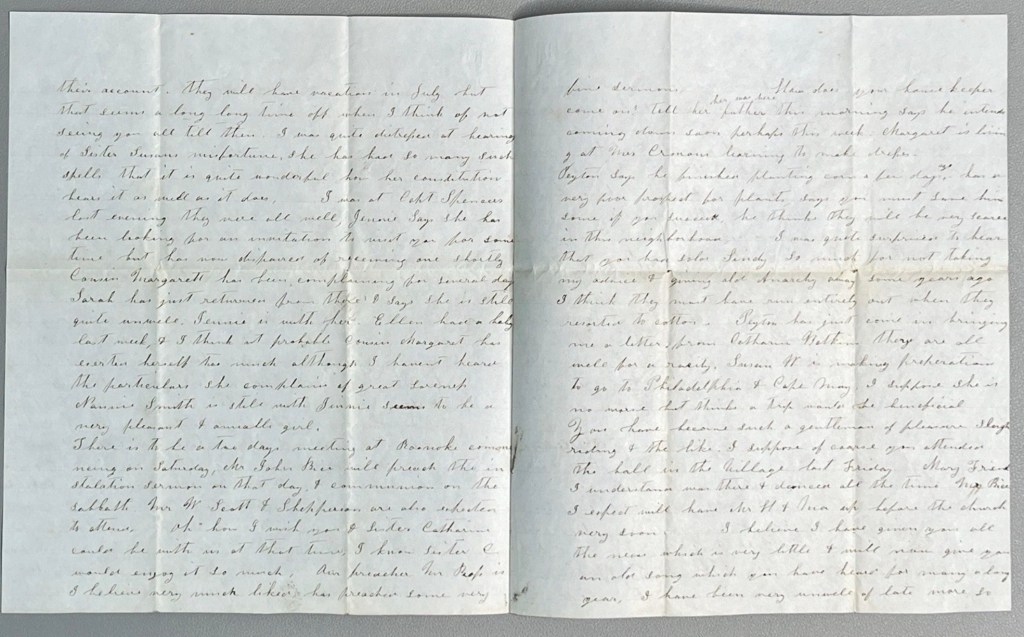
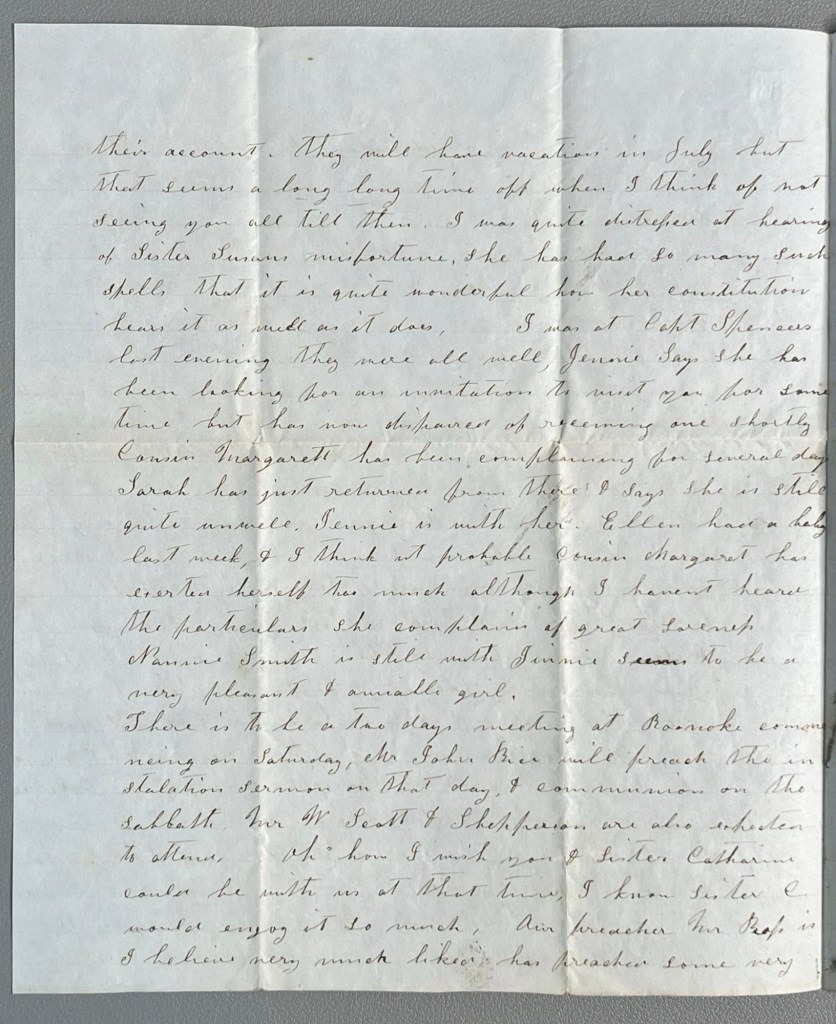
Rev. Lewis’s story appears to extend well beyond the published article. Surviving correspondence between Lewis and descendants of the Deyerle family is preserved by the Roanoke Historical Society, Virginia Room. These letters include his reflections on growing up enslaved, his family, and memories of Christmas celebrations and work on the Deyerle plantation. They offer an invaluable first-person record of slavery and Reconstruction in western Virginia and deserve wider study.
Why Rev. Peyton M. Lewis’s Story Matters to Montgomery County
Although Rev. Peyton M. Lewis spent much of his life in neighboring Bedford County, his story has important connections to Montgomery County’s history.
First, the Lewis surname appears in historical records throughout Montgomery County, raising the question of whether there may be family connections worth exploring. Further genealogical research could reveal relationships between the Bedford County Lewis family and other African American families living in Montgomery County after emancipation.
Second, Lewis’s firsthand descriptions of establishing schools for formerly enslaved children closely mirror what was happening in Montgomery County during Reconstruction. He recalled struggling to find suitable places to teach, often relying on log churches and cabins because dedicated school buildings did not yet exist. Similar challenges unfolded here. Blacksburg’s first school for Black children, serving grades one through seven, met in the former Presbyterian Union Church on East Clay Street, on land adjacent to the Edwin Amiss estate (later owned by the Palmer family). In Christiansburg, Freedmen’s Bureau superintendent Capt. Charles Schaefer documented the difficulty of securing a building for a Black school, noting the reluctance of white property owners to rent space for African American education.
Firsthand narratives from formerly enslaved people in Montgomery County are exceedingly rare. Because of this, accounts like Rev. Lewis’s become especially valuable. While his experiences occurred just across the county line, they provide a vivid, personal window into the challenges of emancipation, education, and community building that were shared across southwest Virginia. His recollections help us better understand the historical experiences of people in Montgomery County when local voices from the period have not survived.
Taken together, these regional stories allow us to reconstruct a more complete and truthful history of Reconstruction in the New River and Roanoke valleys—one that recognizes the determination of newly freed African Americans to build schools, educate their children, and create opportunities despite significant resistance.