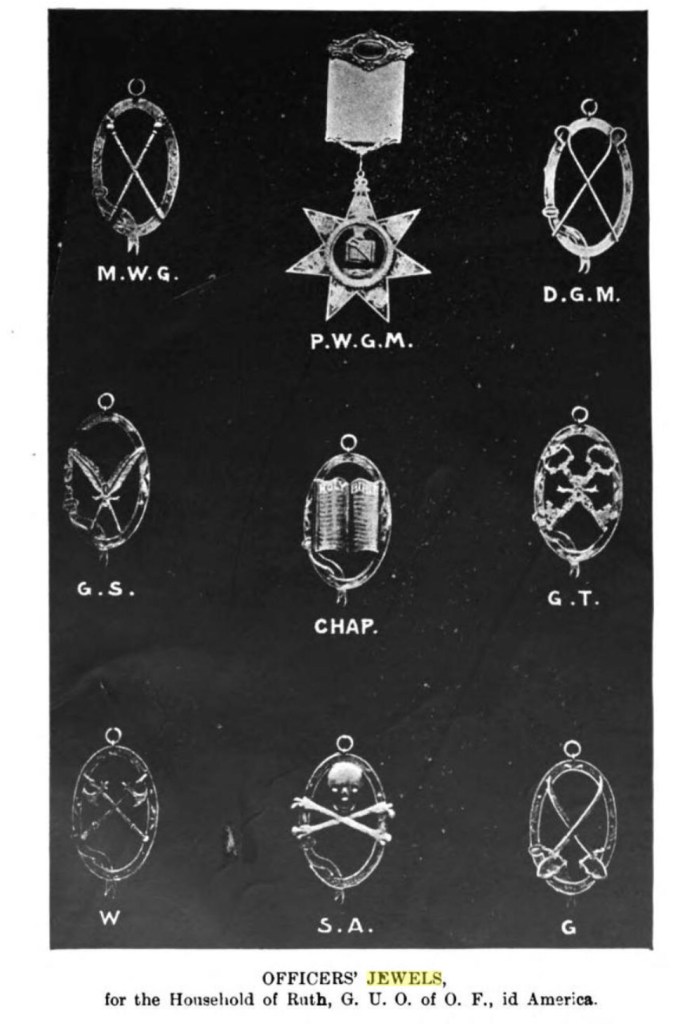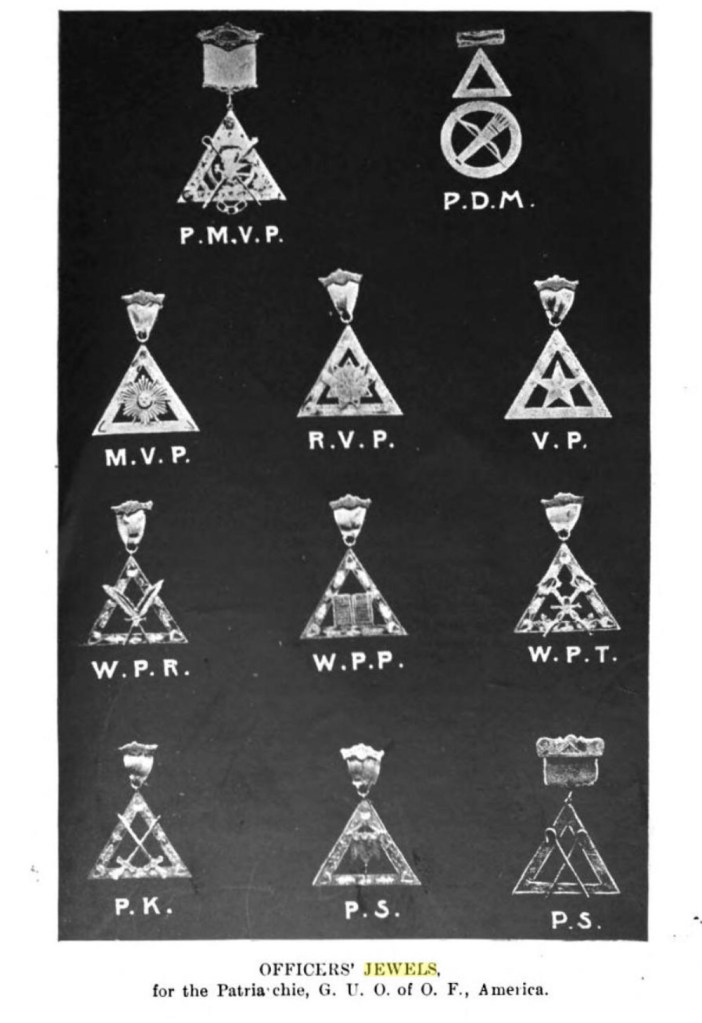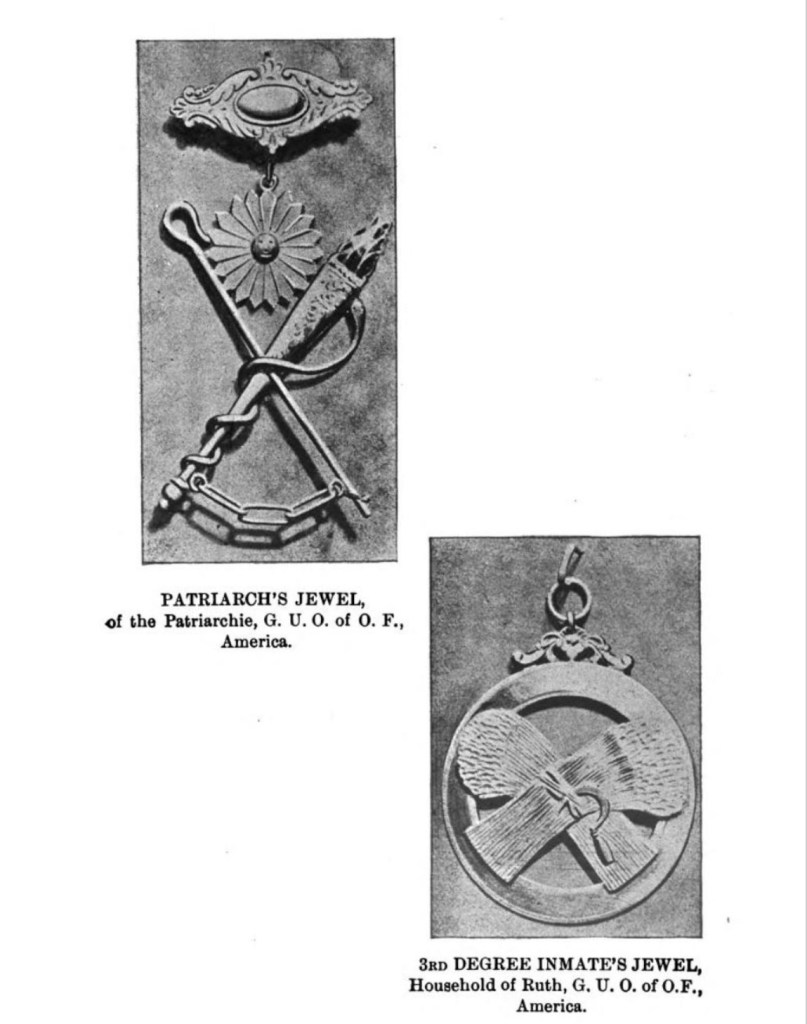
Grand United Order of Odd Fellows Regalia Jewels

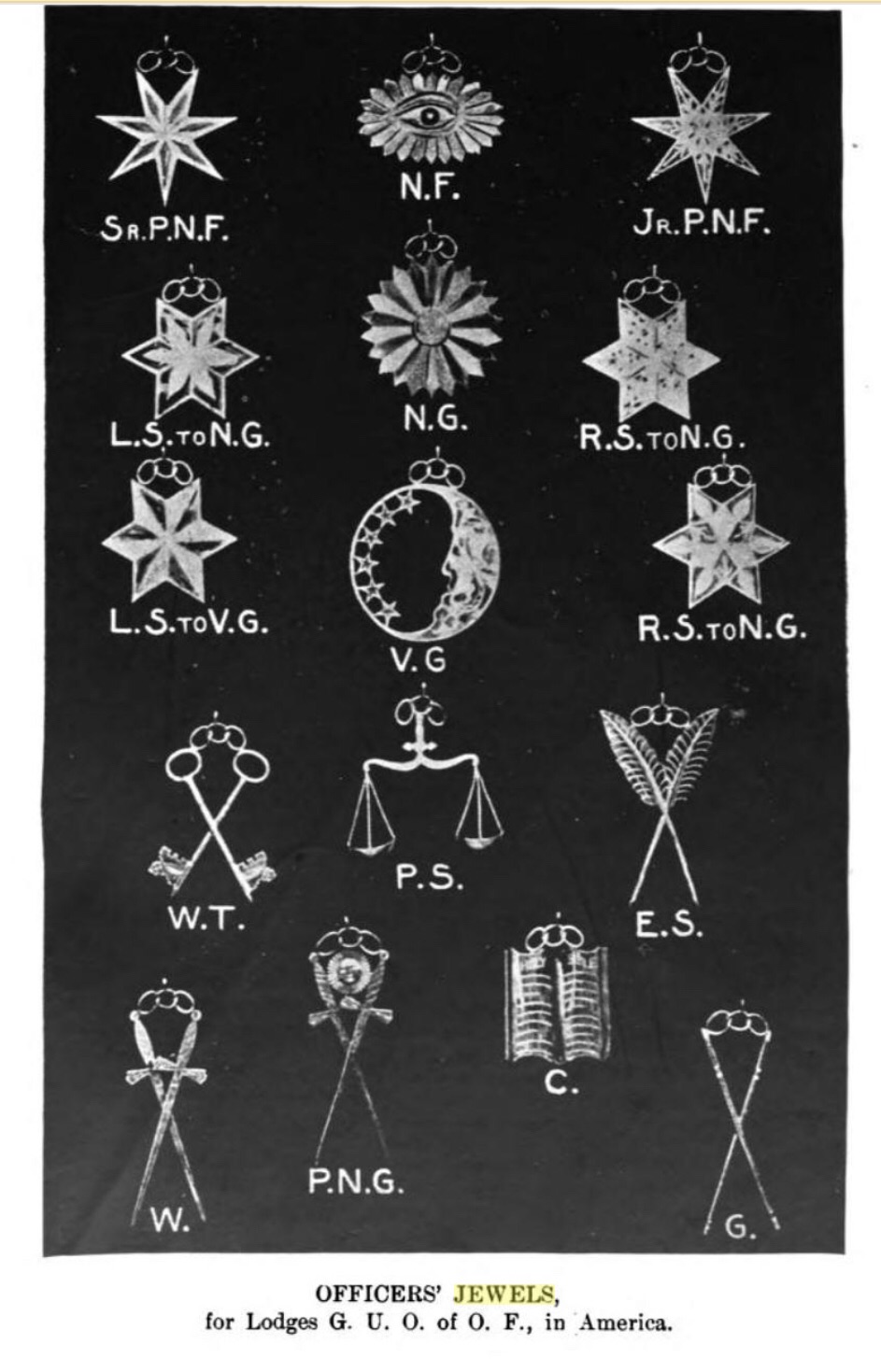
The regalia worn by members is described in this 1902 book:

The Official History and Manual of the Grand United Order of Odd Fellows in …

By Charles H. Brooks

Understanding the Degrees, Titles and Symbols on the Lodge Level

  1. Initiate – white
  2. Appointed Officers – star, often 5 pointed
    • Worthy Treasurer (crossed keys)
    • Warden (crossed swords)
    • Worthy Chaplain (Bible, black)
    • Guardian (crossed baton)
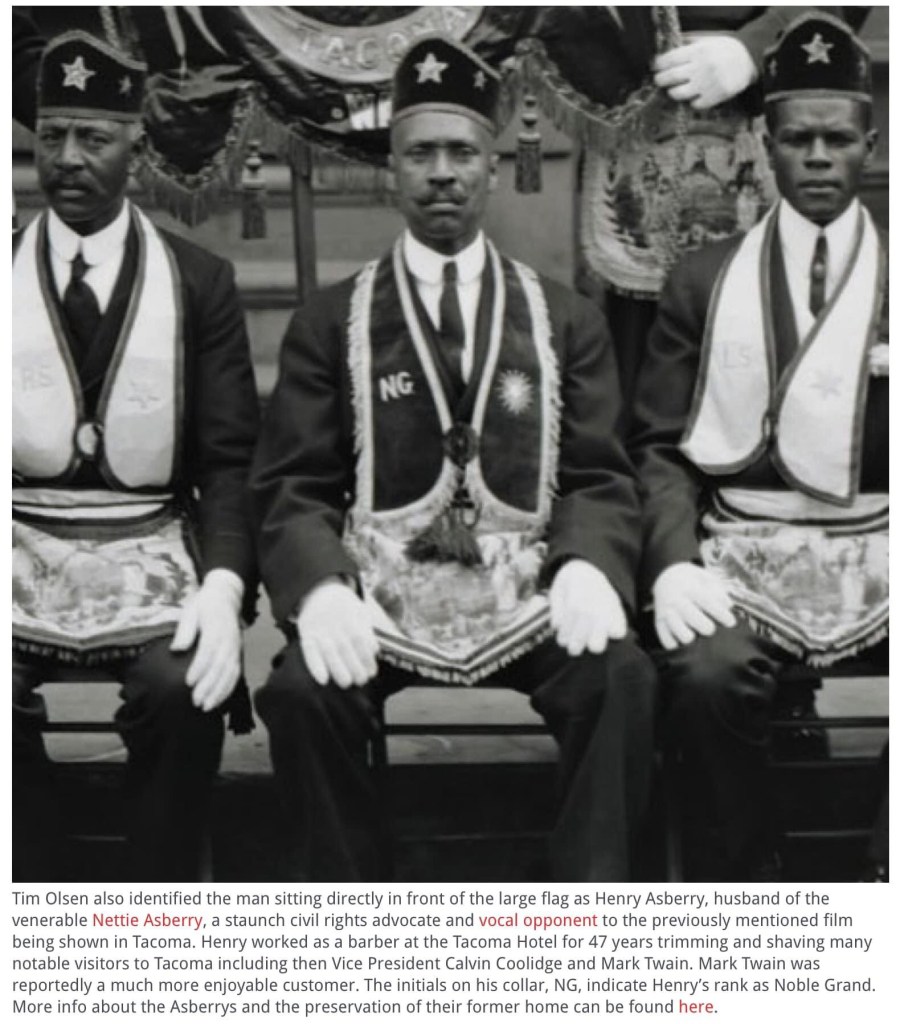
    • Right and Left Supporter to NG (RSNG or LSNG, 6-pointed star)
    • Right and Left Supporter to VG (RSG or LSG, 6-pointed star)
  3. Elective Secretary – emerald (crossed quill); Permanent Secretary (balance)
  4. Vice Grand – blue (moon & stars)
  5. Noble Grand – Scarlet (sun and rays)
  6. Past Noble Grand – Golden (heart in hand, crosses swords)
  7. Noble Father – Excelsior, (Seeing-Eye in the night).
  8. Past Noble Father (Permanent Noble Father), (7-pointed star).

Understanding the Degrees, Titles and Symbols on the District Level

  • Grand Treasurer (crossed keys)
  • Grand Secretary – (crossed quill)
  • Warden (crossed axes)
  • Guards (crossed sword)
  • S.A. (skull & cross bones)
  • Master Worthy Grand (crossed batons)
  • District Grand Master – (crossed shepherd hooks)
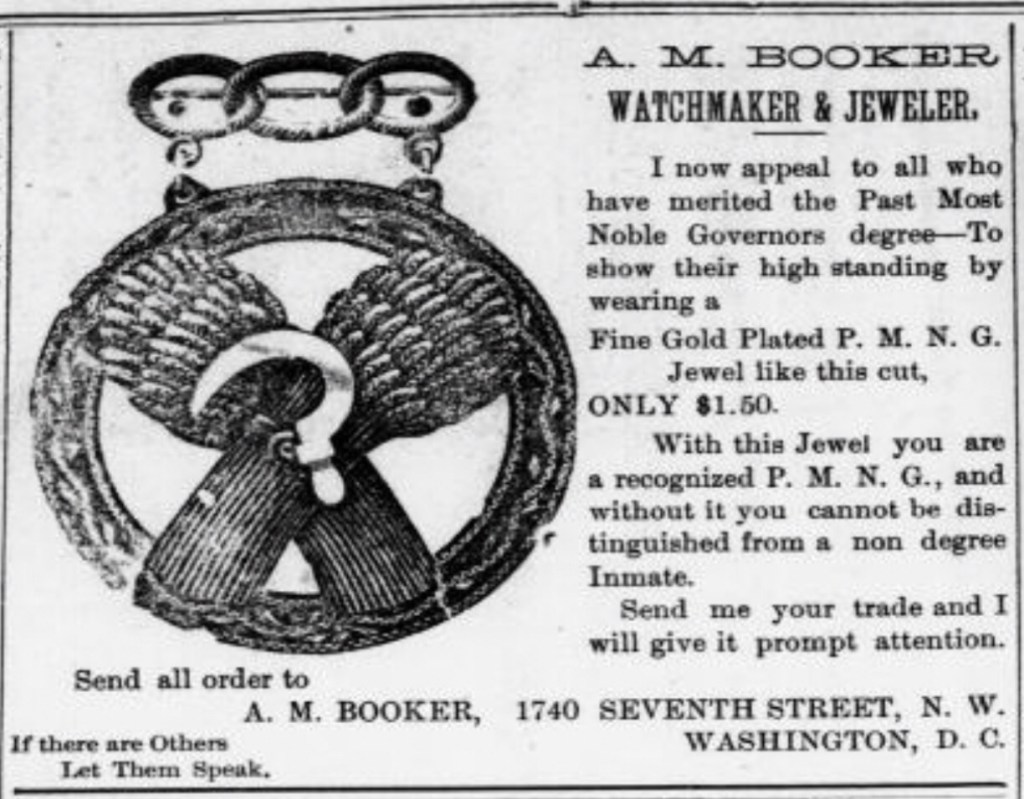
  • Past Worthy Grand Master – wheat & scythe and 7-pointed star

The structure of Grand United Order of Odd Fellows is reflected in the regalia worn by the members. This is an amazing image that was posted in the article from Tacoma, Washington, a long way from rural Blacksburg of the time. But the collars, staffs, swords and hats plus the proximity of the men to the Noble Grand leader provide a glimpse of the hierarchy. Note the two men on both sides of the GN. LS and RS stand for Left and Right Supporter. Grit City Magazine, Feb 2023


Grand United Order of Odd Fellows in America (1843-present) By: Michael Barga

Blacksburg, VA Tadmore Light #6184 Lodge Explored


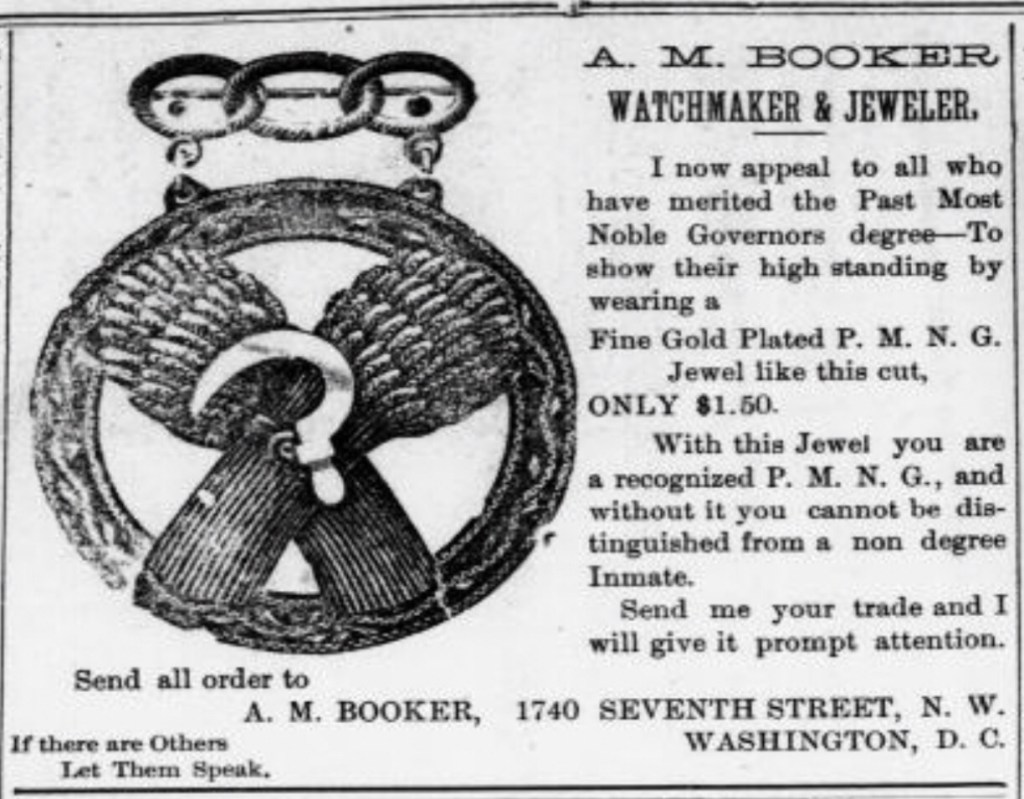
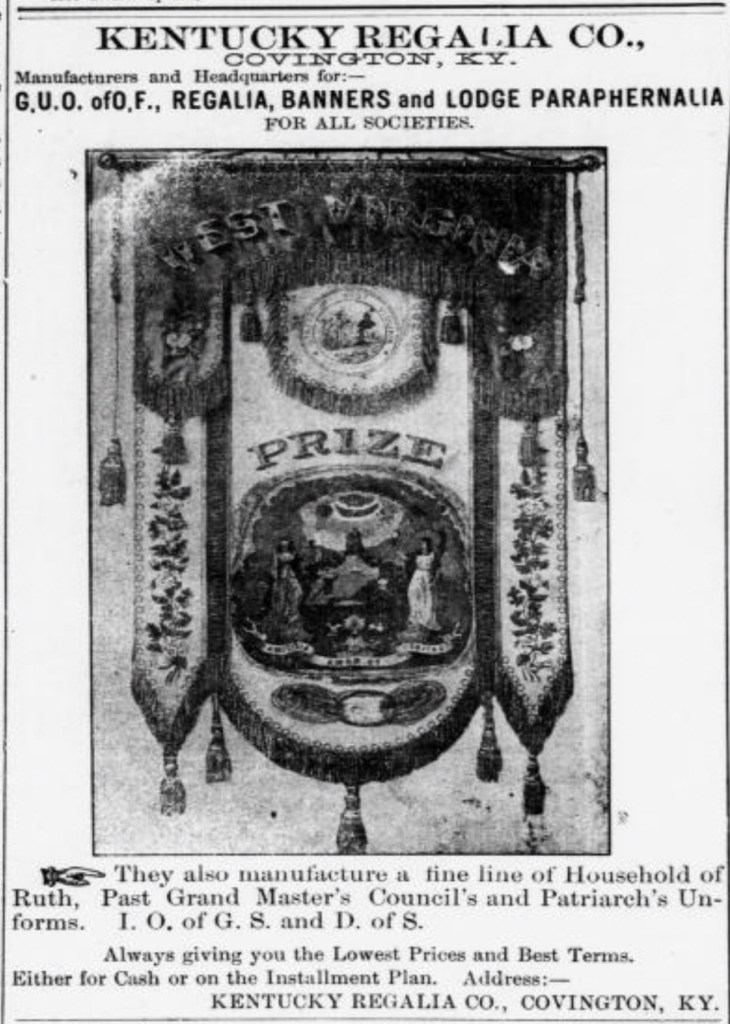
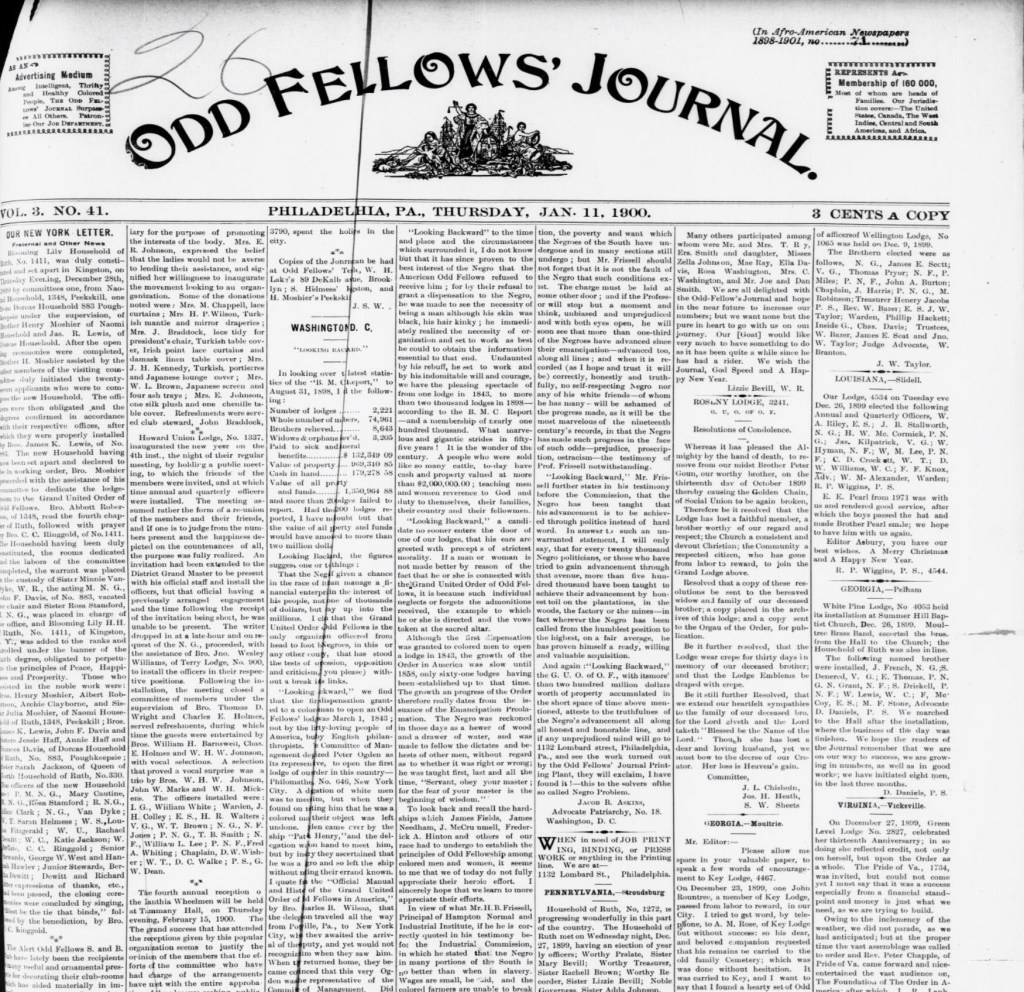
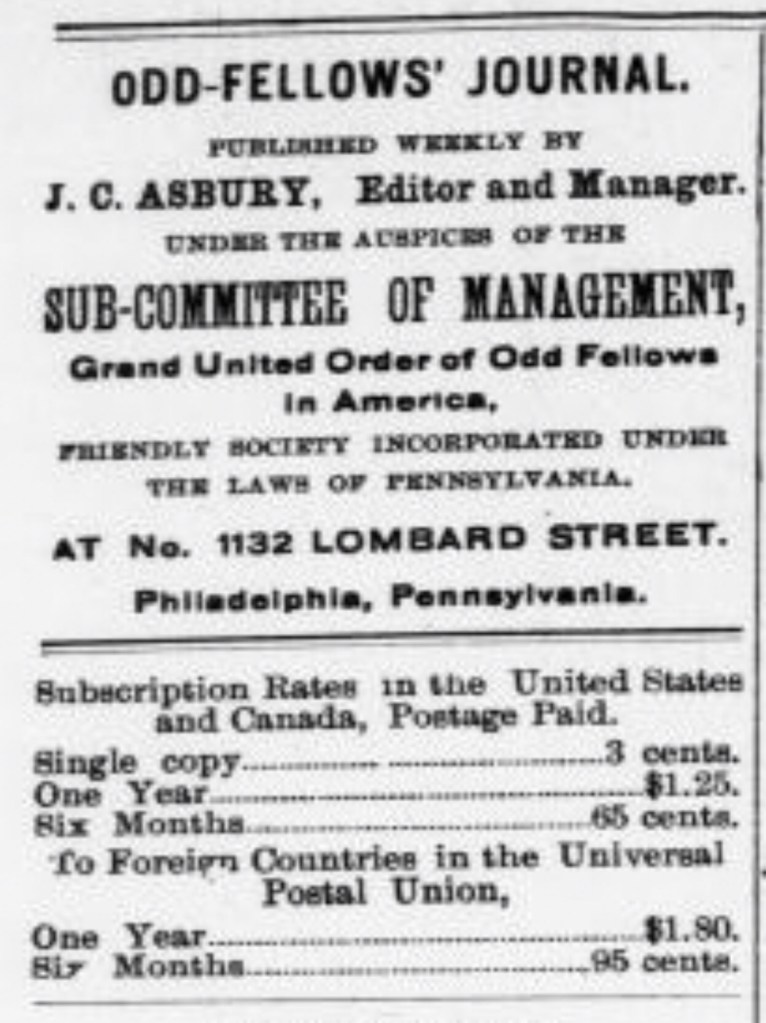
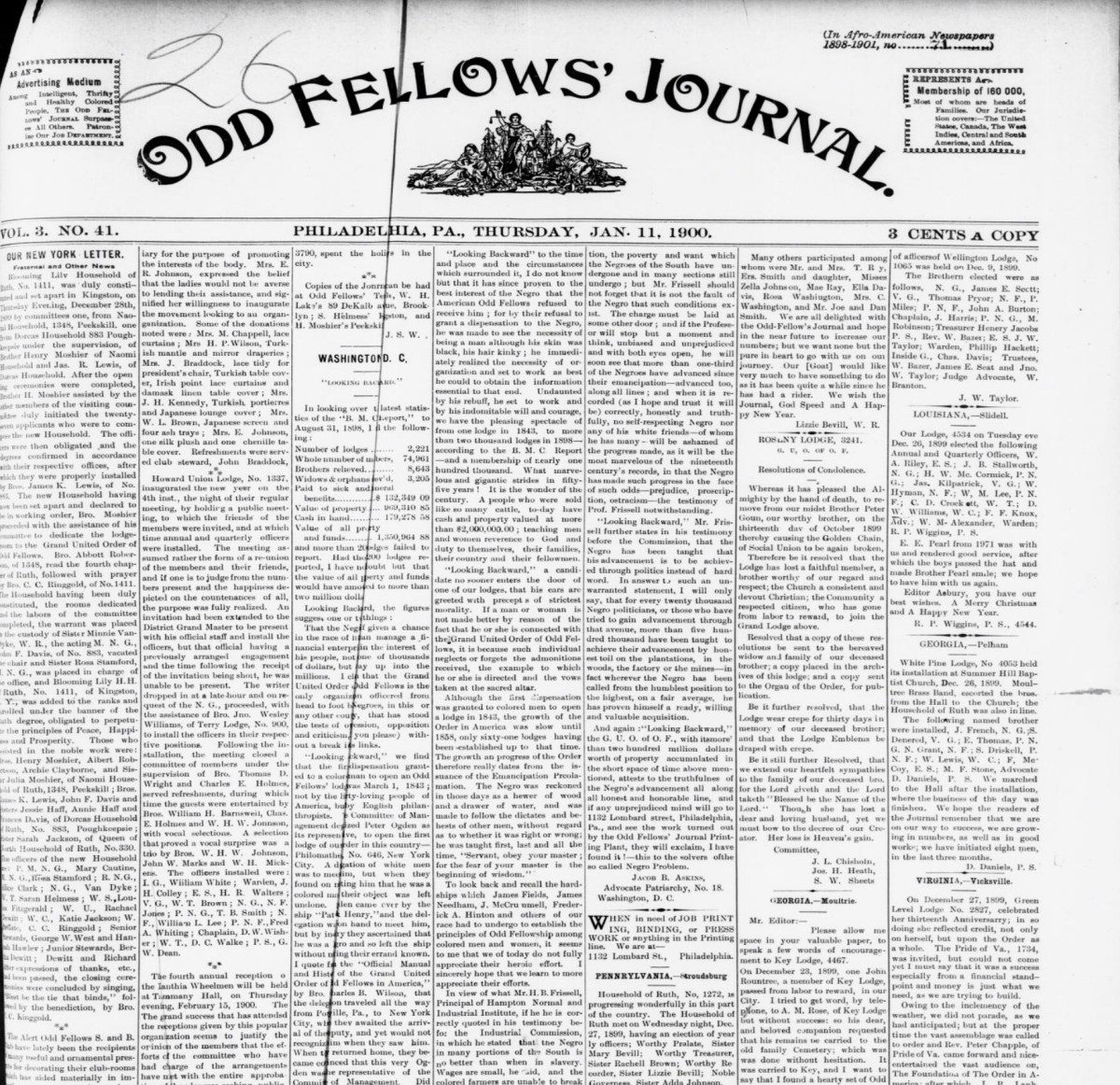
More Regalia Images from the Odd Fellows Journal, 1900.

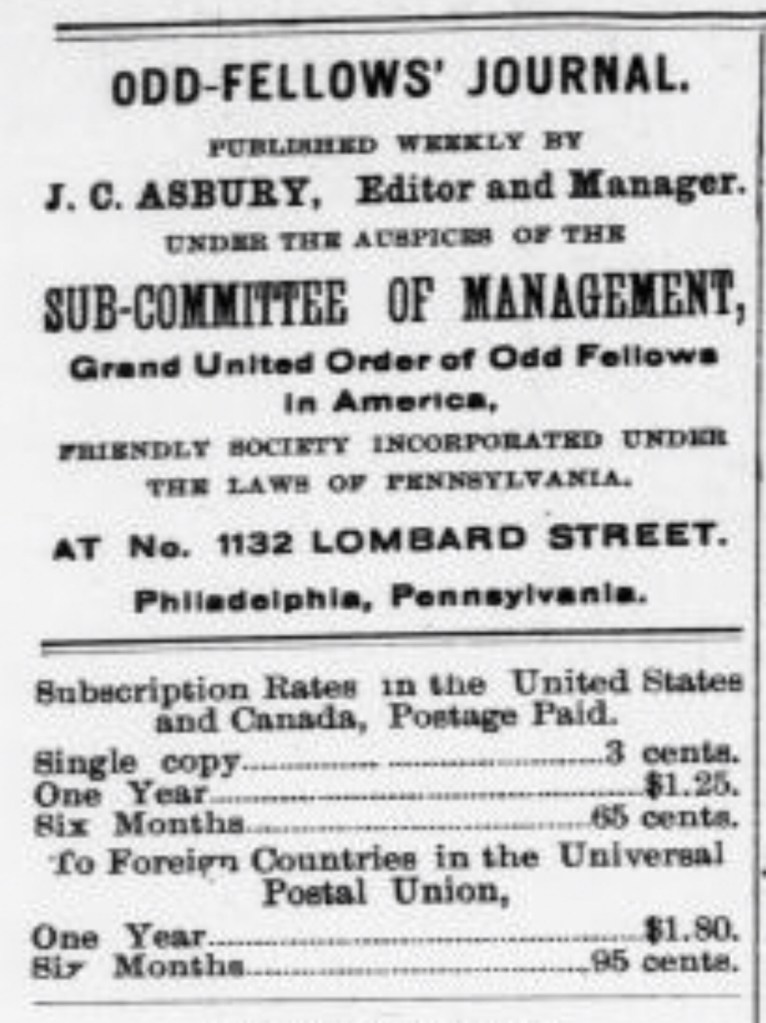
Asbury, J. C. Odd Fellows’ Journal. (Philadelphia, Pa.), Vol. 3, No. 41, Ed. 1 Thursday, January 11, 1900; Philadelphia, Pennsylvania. (https://texashistory.unt.edu/ark:/67531/metapth523664/: accessed January 16, 2024),University of North Texas Libraries.

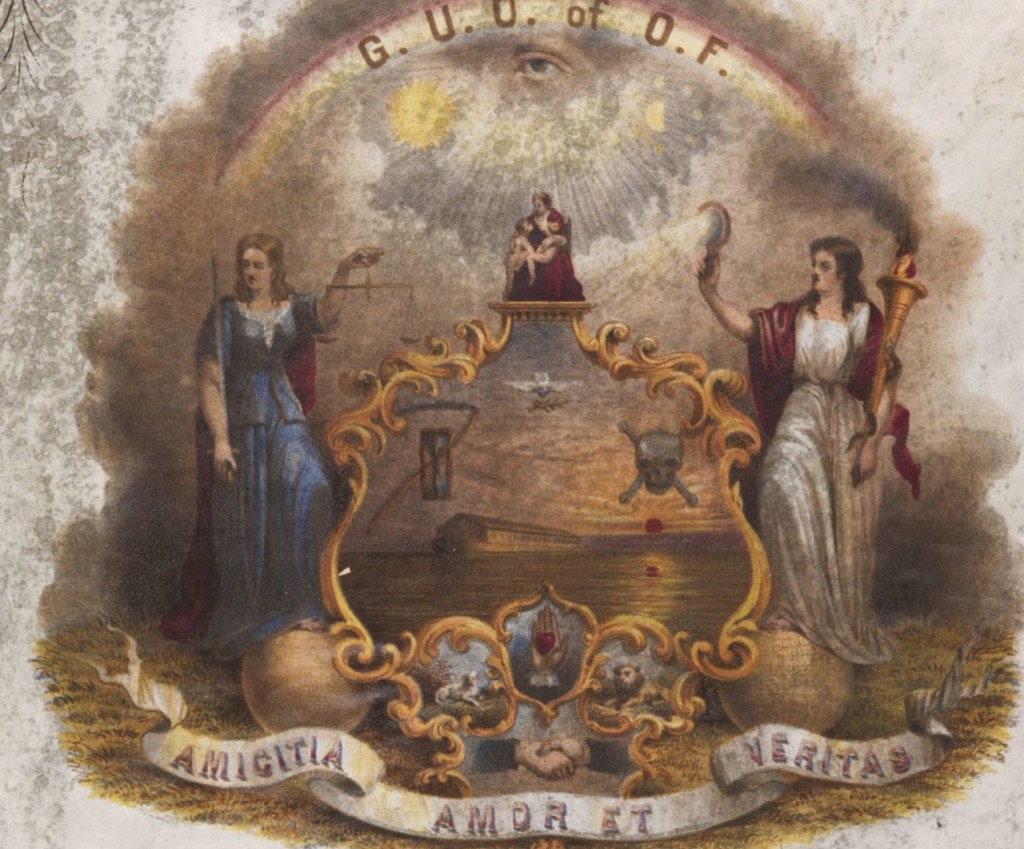
Iconography

Iconography that is associate with GUOOF is featured and explained by The Library of Philadelphia based on the 1843 chromolithograph created by D.B. Bowser (1820-1900), an African American artist. The symbols used include: “sickle & hourglass, dove, skull & crossbones, lamb, heart-in-hand, lion, seeing eye in the night sky and under a rainbow.”

The Library of Philadelphia

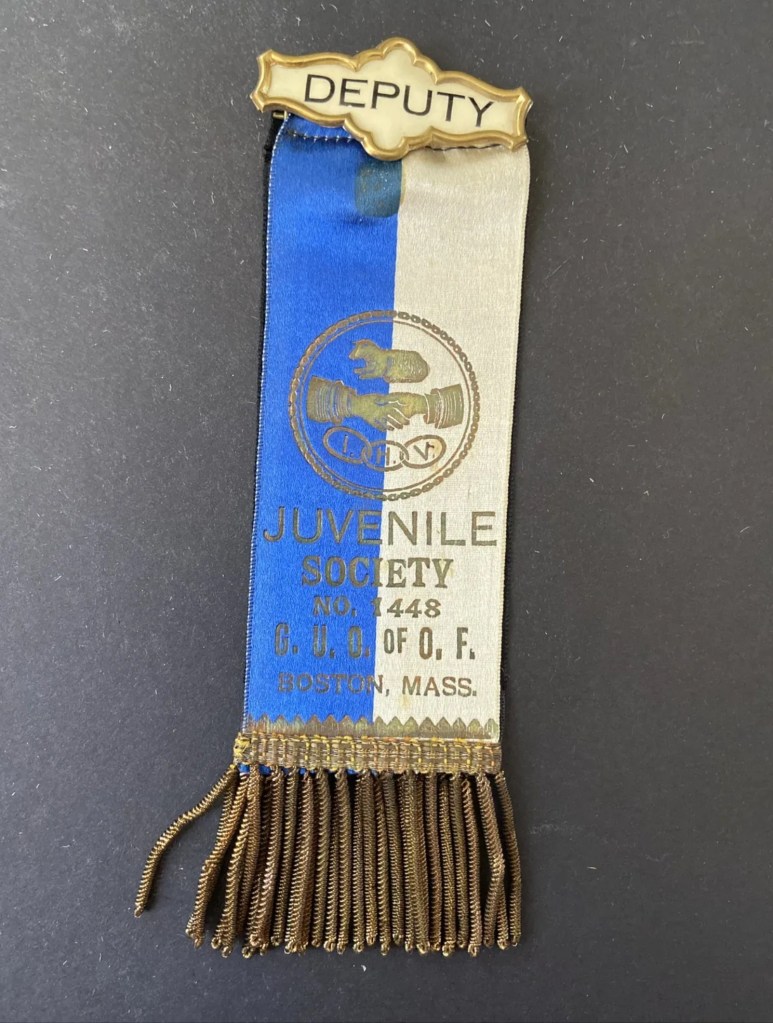
Juvenile Society, the Juvenile Branch of Odd Fellows.

The Grand United Order of Odd Fellows and the House of Ruth created the Juvenile Branch on September 13, 1897 for all children from age 3 to 16. Their parents did not have to be a member of the order. In support of families, the 4th Sunday of September was designated “Children’s Day.” The Juvenile Branch became known as the Juvenile Society.

Clip for a badge, front
Back

Independent Order of St Luke

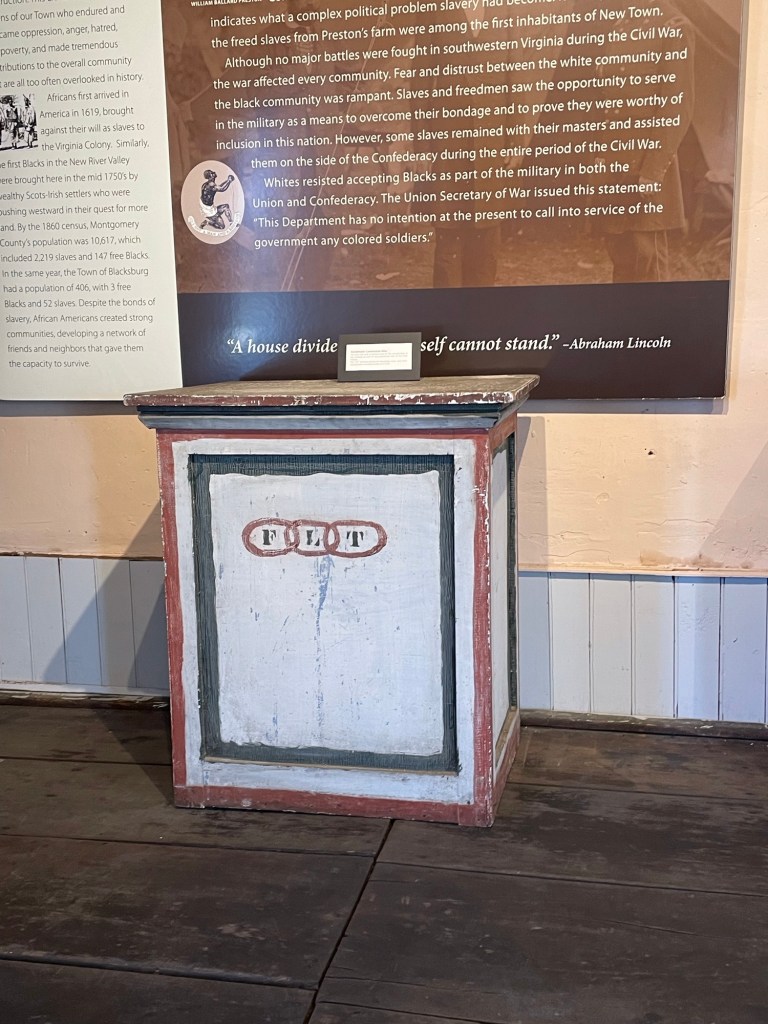
The St. Luke and Odd Fellows Hall, located on Gilbert Street in Blacksburg, stands as the sole remaining historic building from the once vibrant African American neighborhood of New Town. With two floors, it hosted both sacred ceremonies and administrative functions, contrary to the misconception that ceremonies were exclusive to the second floor. The Rules & Regulations book includes a diagram detailing the assigned places for desks and officers, clarifying this aspect.

Floding Company Manufactures Catalog and the KKK Uniform Manufacture

Courtesy of Virginia Tech Special Collections & University Archives

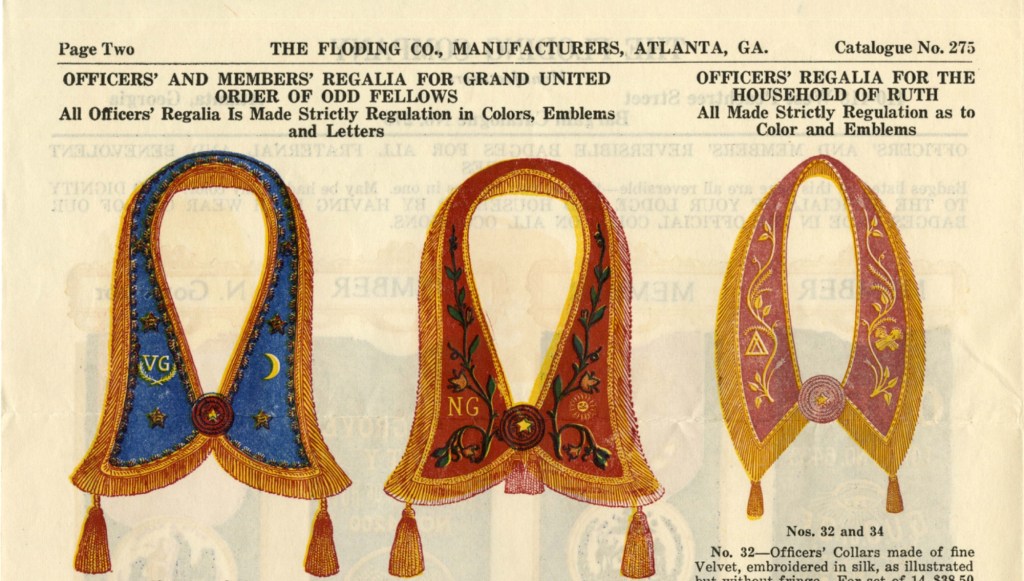
How did the Orders in Blacksburg acquire their regalia? The Floding Company Manufacturers Catalog (Ms1988-009)

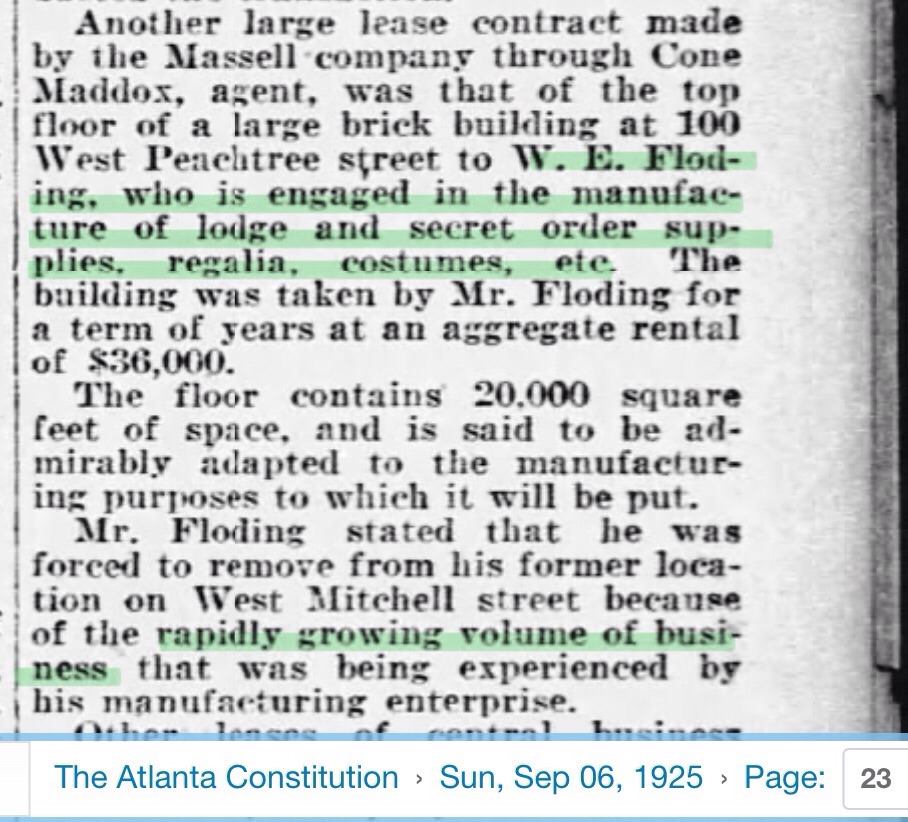
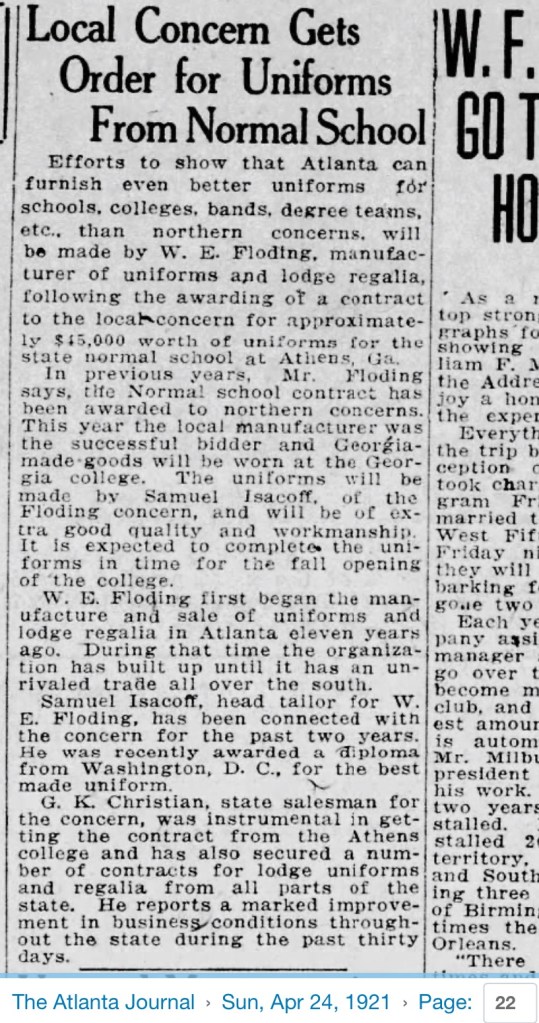
From 1875 to 1964, the Floding Regalia Company, based in Atlanta, produced regalia. Owned by W.E. Floding, the company supplied regalia to African American fraternal organizations and secretive costume to, most likely, the KKK.

In 1925 Mr Floding moving his manufacturing to a large space in Atlanta due to the expanding sales of secretive regalia and costume. However, Floding was also financially linked to Atlanta KKK activities under Edward Young Clarke, who was convicted of violating the Mann Act by assaulting and then transporting a woman across state lines. In 1927, Clarke and Rev. JR Straton were instrumental in creating a competing organization to the KKK, pledging operations to other states. Clarke, Imperial Wizard 1915-1922, was booted out of the KKK but started a parallel group. See clipping below.

Souvenir Medal from 14-20 September 1908 Atlantic City, NJ Gathering

The Green Book 1949

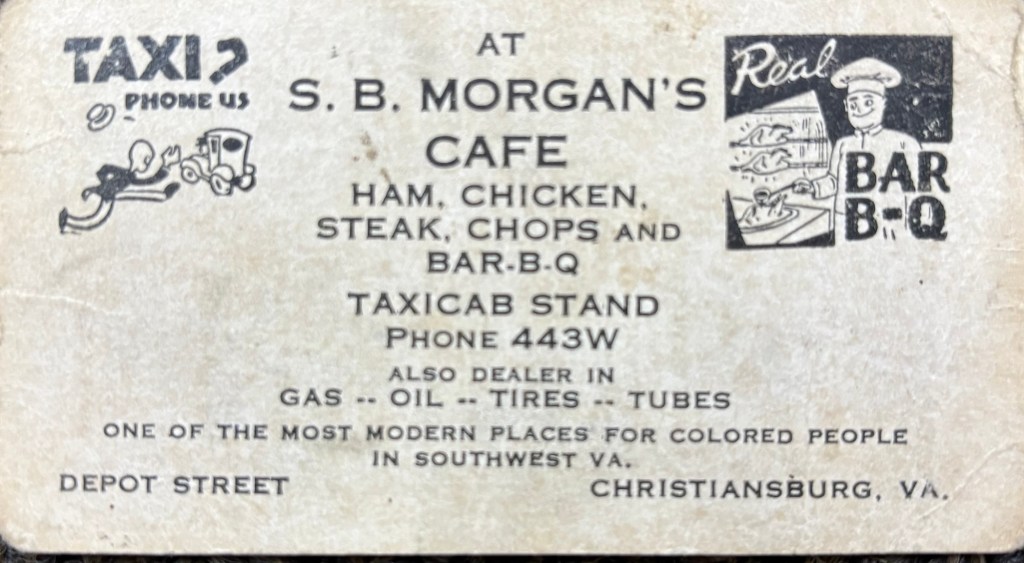
Christiansburg Institute, Inc provides an excellent tour of Montgomery County historic sites, including much information about the Morgan family who owned and ran the Eureka Hotel.

The famous Green Book guide points travelers to seek the Eureka Hotel in Christiansburg. This hotel was located on Depot Street, east of Franklin street.

Courtesy of the Henry Ford Collection
Eureka Hotel

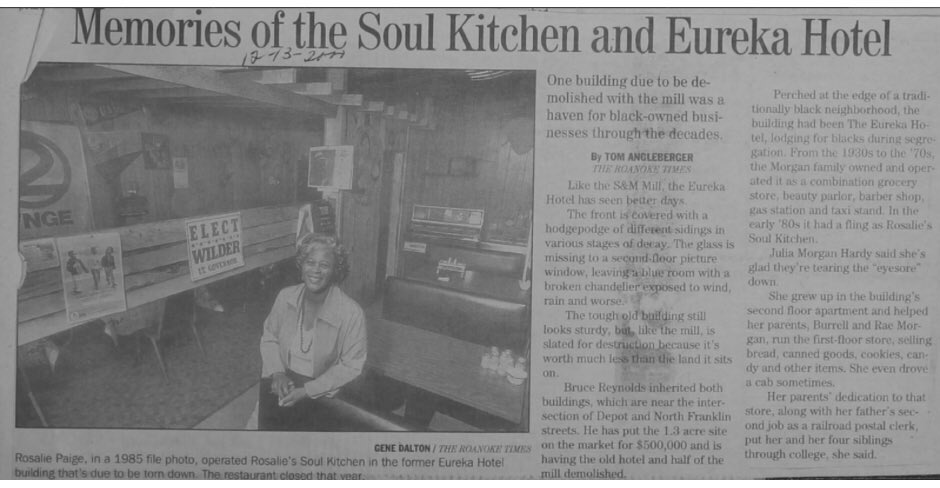
The Eureka Hotel was on the left side of Depot Street, at the top right section of this map. The Morgan family owned and operated the hotel from the 1930 to 1970. After that time the building was used as Rosalie’s Soul Kitchen (Rosalie Paige, 1983 to 1985), grocery store, beauty shop, barber, and taxi stand. Burrell and Rae Morgan along with S.B. Morgan, Burrell’s brother owned the establishments along with other businesses in Christiansburg.

The Roanoke Times, 13 December 2000 (photo Gene Dalton, Roanoke Times)

Memories of the Soul Kitchen and Eureka Hotel.

One building due to be demolished with the mill was a haven for black-owned businesses through the decades.

Like the S&M Mill, the Eureka Hotel has seen better days.

The front is covered with a hodgepodge of different sidings in various stages of decay. The glass is missing to a second-floor picture window, leaving a blue room with a broken chandelier exposed to winde, rain and worse.

The tough old building still looks sturdy, but like the mill, is slated for destruction because it’s worth much less than the land it sits on.

Bruce Reynolds inherited both buildings, which are near the intersection of Depot and North Franklin streets. He has put the 1.3 acre site on the market for $500,000 and is having the old hotel and half of the mill demolished.

Perched at the edge of a traditionally black neighborhood, the building had been The Eureka Hotel, lodging for blacks during segregation. From the 1930s to the ’70s, the Morgan family owned and operated it as a combination grocery store, beauty parlor, barber shop, gas station and taxi stand. In the early ’80s it had a fling as Rosalie’s Soul Kitchen.

Julie Morgan Hardy said she’s glad they’re tearing the “eyesore” down.

She grew up in the building’s second floor apartment and helped her parents, Burrell and Rae Morgan, run the first-floor store, selling bread, canned goods, cookies, candy and other items. She even drove a cab sometimes.

Her parents’ dedication to that store, along with her father’s second job as a railroad postal clerk, put her and her four siblings through college, she said.

By Tom Angleberger, The Roanoke Times, 13 December 2000

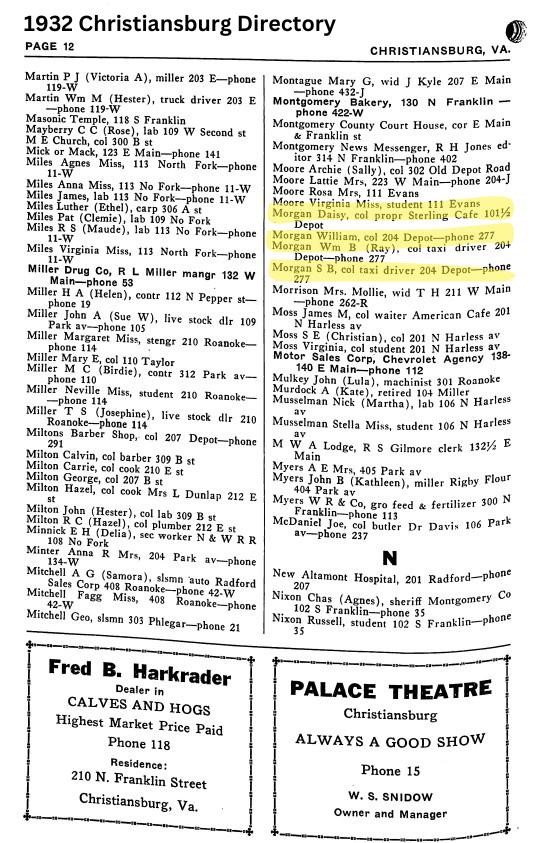
In the 1932 Christiansburg, Va Directory Wm B (Burrell) & Ray Morgan were listed at 204 Depot Street (taxi driver) along with his brother S.B. Morgan (taxi driver) and William Morgan. Daisy Morgan was listed as the proprietor of the Sterling Cafe (101 1/2 Depot). William Morgan at 204 Depot was the brother of Burrell and S.B. Morgan.

1932 Christiansburg Directory

In the 1962 Christiansburg Directory S.B. Morgan, Taxi Co was located at 100 Depot, Burrell Morgan residence was 10 Depot (Eureka Hotel), & Mrs Daisy Morgan was living at 119 Depot.

Courtesy of Montgomery Museum of Art & History, Christiansburg, Va

Obituary for Senior Barrett Morgan (S.B.) Roanoke Times, 23 June 1990

Senior Barrett Morgan, age 75, departed this life June 20, 1990, at the Montgomery County Regional Hospital after a short illness. He was born October 12, 1914, in Buxton, Iowa, the son of the late William Morgan and Ella P. Morgan. He was a faithful member of the Shaeffer Memorial Baptist Church in Christiansburg, Va., where he served as Chairman of the Trustee Board and past Chairman of the Deacon Board. He was the owner and founder of the S.B. Morgan Cafe and Taxi Company in Christiansburg, Va., having served the community for over fifty years. He was also a member of the Montgomery County Branch of the N.A.A.C.P. He was preceded in death by his wife, Mrs. Lucy Holmes Morgan; one son and a sister, Annette Simmons. His survivors are one daughter, Ruth M. Crisp of Washington, D. C.; a son-in-law, James R. Crisp, also of Washington, D. C.; one granddaughter, and two great-grandchildren; one brother, Mr. Burrell Morgan of Christiansburg, Va. Funeral services will be Sunday at 2:00 p.m. at the Shaeffer Memorial Baptist Church, Christiansburg, Va., with Dr. C. L. Brown officiating. Burial will be at the Shaeffer Memorial Cemetery, Christiansburg, Va. Viewing will be Saturday from 7:00 until 9:00 p.m. at the Claytor-Alexander and Penn Funeral Home, Radford, Va. The body will be placed in the church one hour prior to service. Claytor-Alexander and Penn Funeral Home in charge of the arrangements.


University of Virginia post for S.B. Morgan and their Green Book online exhibit

Pulaski City Grand United Order of Odd Fellows Lodge

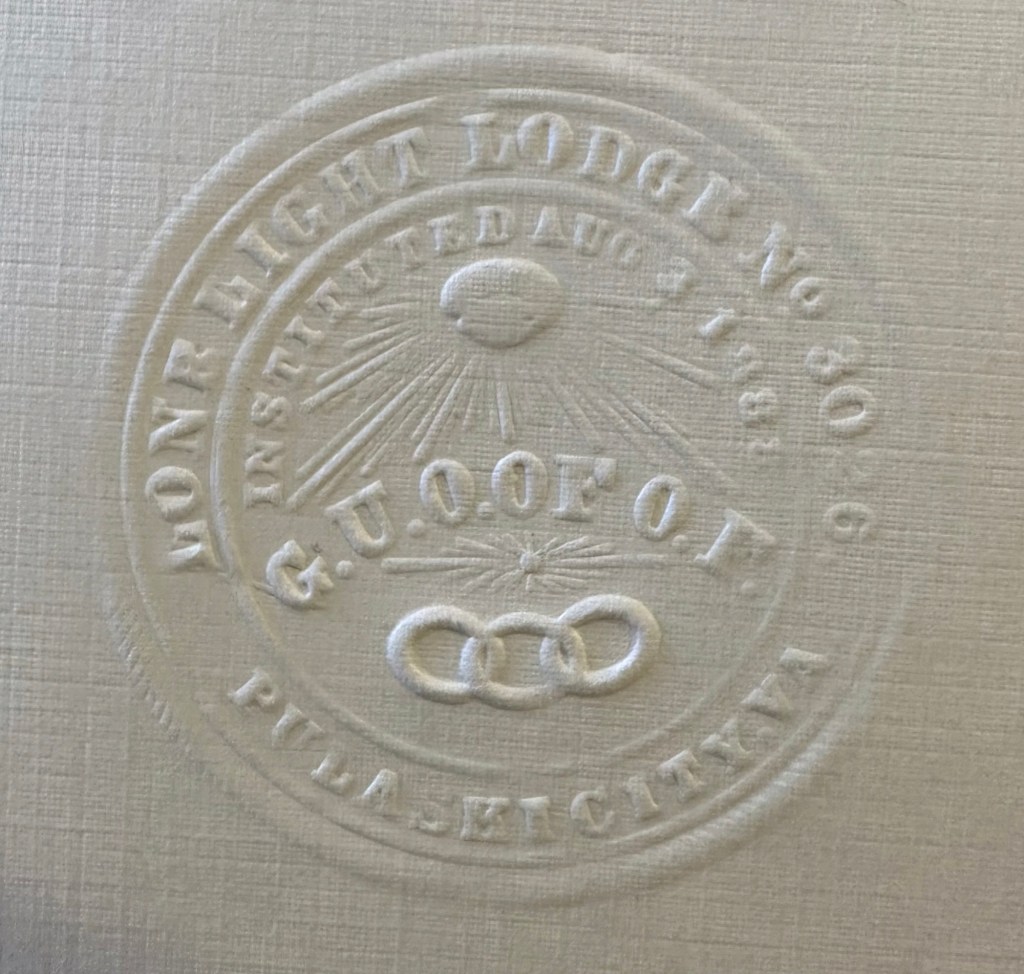
Christiansburg Institute Museum and Archives has a stamp which is proof that this lodge existed.

The lodge is listed in the Official History and Manual of the Grand United Order of Odd Fellows in … by Charles H. Brooks on page 192.

We have much to learn about this Lodge and the people who belonged. This lodge was created before the Roanoke City Lodge, known as Roanoke, #3225, dated 13 March 1890 and the Blacksburg’s Tadmore Light Lodge, #6184

Deeds to Zion Hill, between the Depot and Christiansburg, VA

Captain Charles S. Schaeffer arrived in Christiansburg soon after the emancipation of enslaved people of Southwestern Virginia. In April 1866 he was appointed as an agent of the Bureau of Refugees, Freedmen, and Abandoned Lands (referred to as the Freedman’s Bureau). Schaeffer was US soldier who asked for to be assigned as an agent in Southwestern Virginia. He was assigned to Giles and Montgomery Counties, with headquarters in Christiansburg, VA.

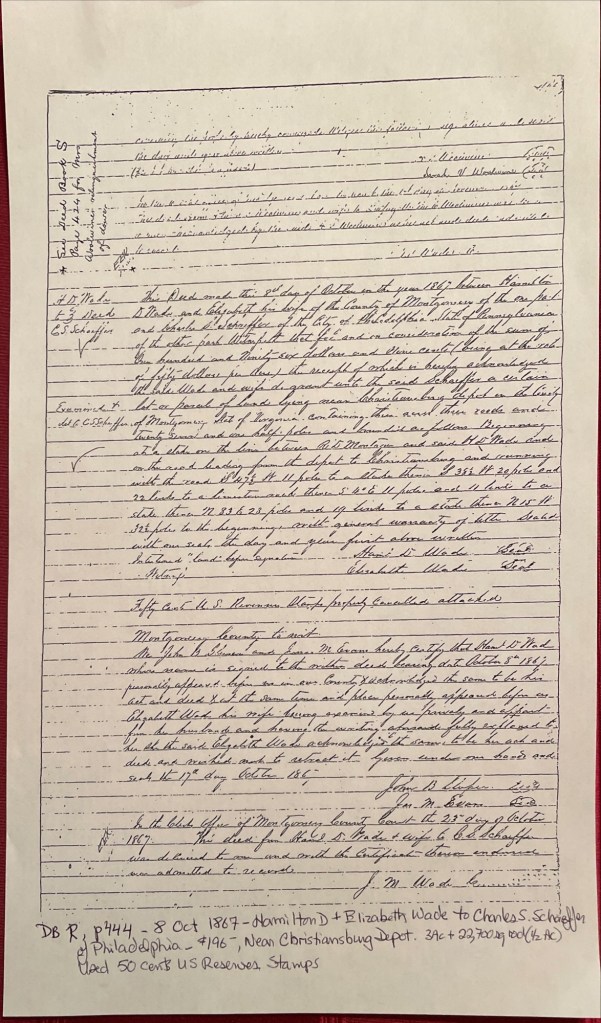
October 8, 1867, Hamilton D. and Elizabeth Wade sold Schaefer about 3.5 acres for $196 on a road leading from the Depot (Cambria*) to the town of Christiansburg (deed book R, pg 444). It is upon this land that Schaefer built a home of stone on the western portion and called it Zion Hill.

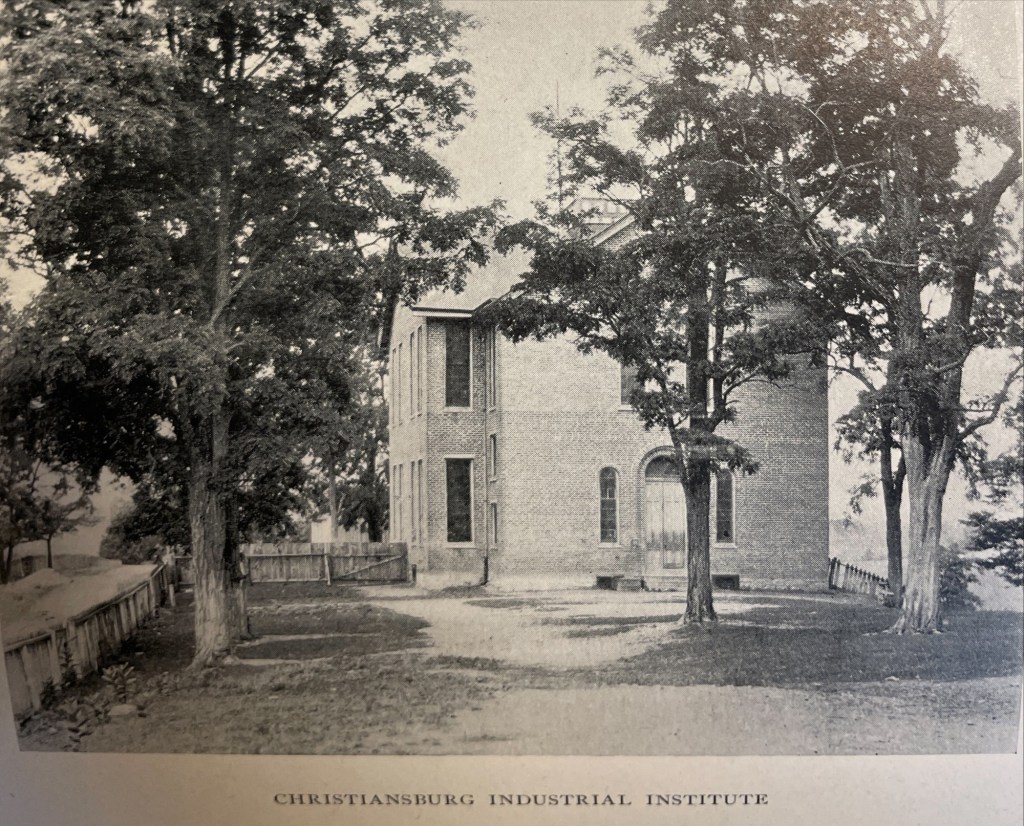
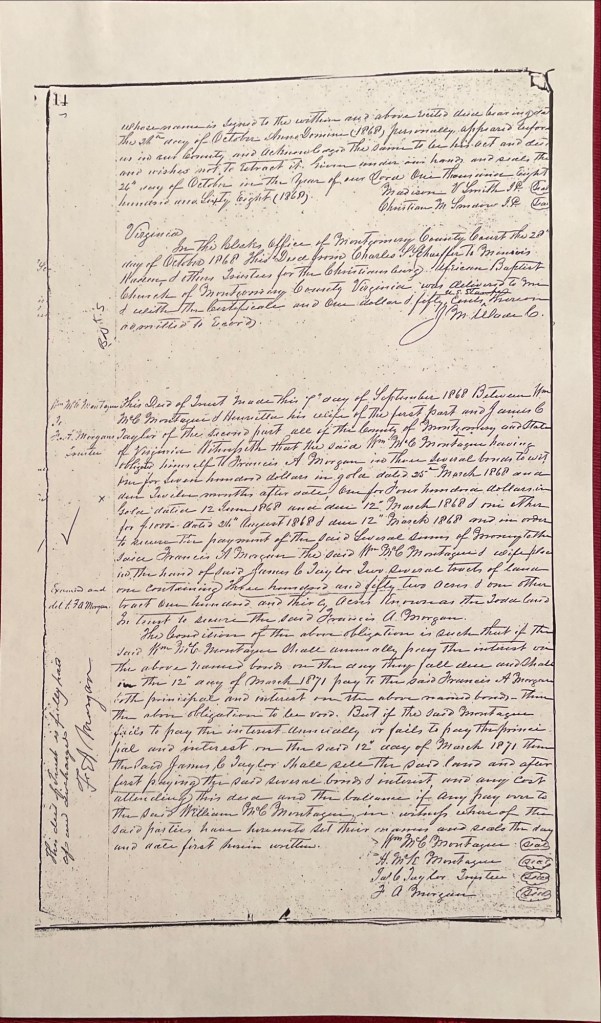
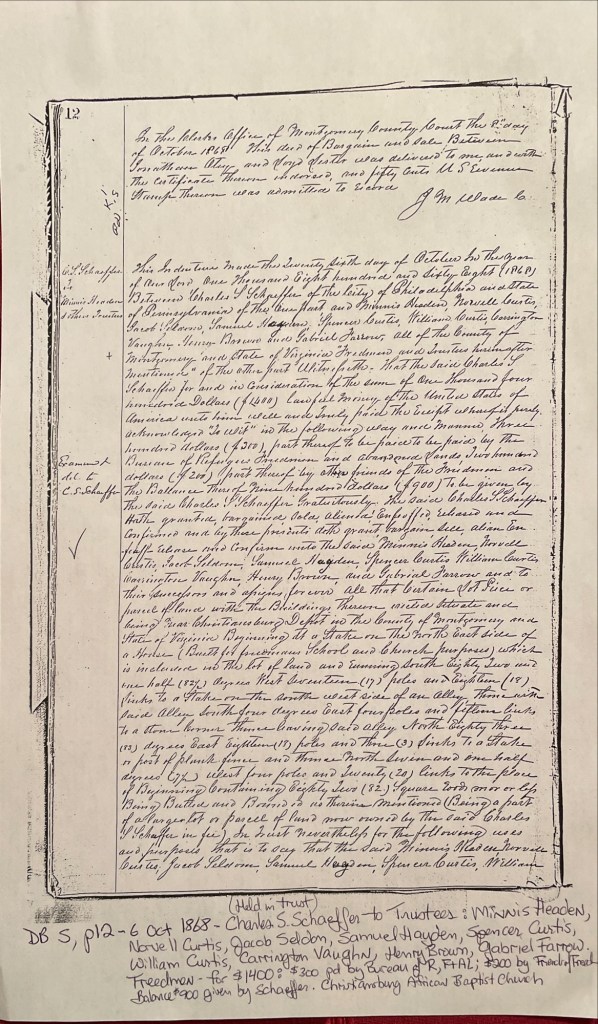
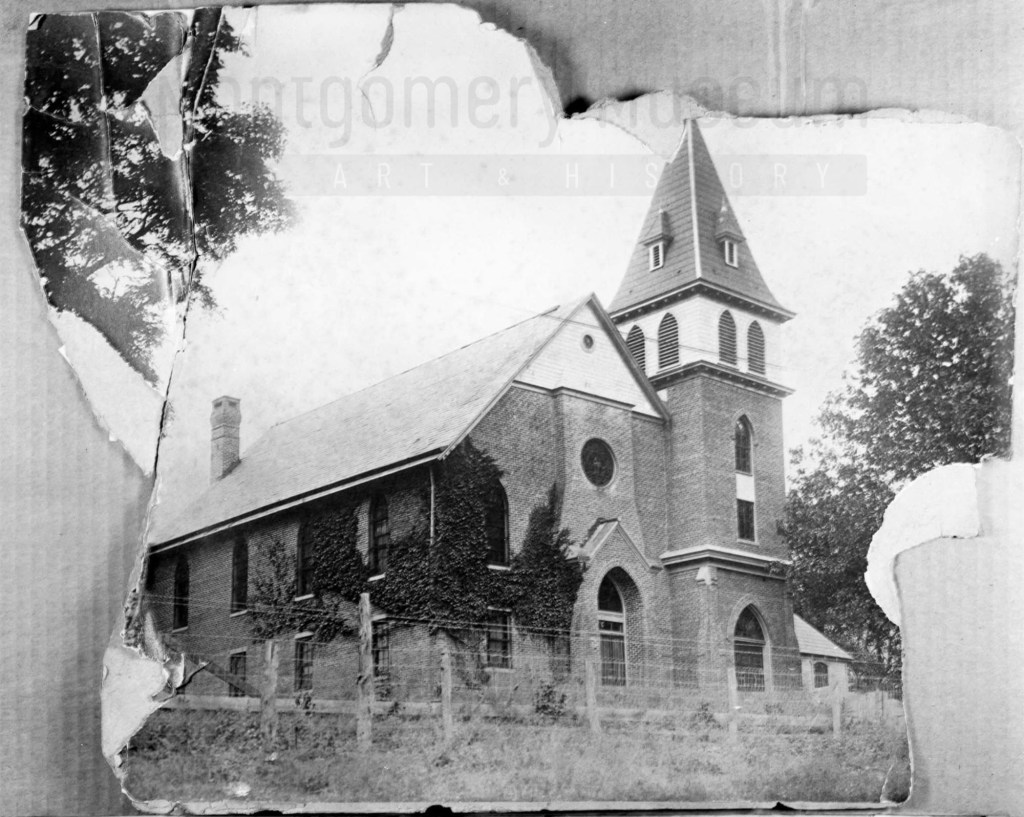
About one year later, October 6, 1868, Schaeffer deeded about a half an acre to the Trustees to be used as a school and the Christiansburg African Baptist Church (deed book S, pg 12). The Trustees: Minnis Headen, Norvell Curtis, Jacob Seldon, Samuel Hayden, Spencer Curtis, William Curtis, Carrington Vaughn, Henry Brown, and Gabriel Farrow. The cost of the land was $1,400. The Freedmen’s Bureau paid $300, the Friends’ of the Freedmen paid $200, & Schaeffer gifted the balance of $900. As noted in the deed a house was on the land, in use as a school and meeting house by the time of this deed. We believe this is the first school at this location. Schaeffer and the Trustees built two other structures with time.

Deed Book R, pg 444. Hamilton D. & Elizabeth Wade to Charles S. Schaeffer
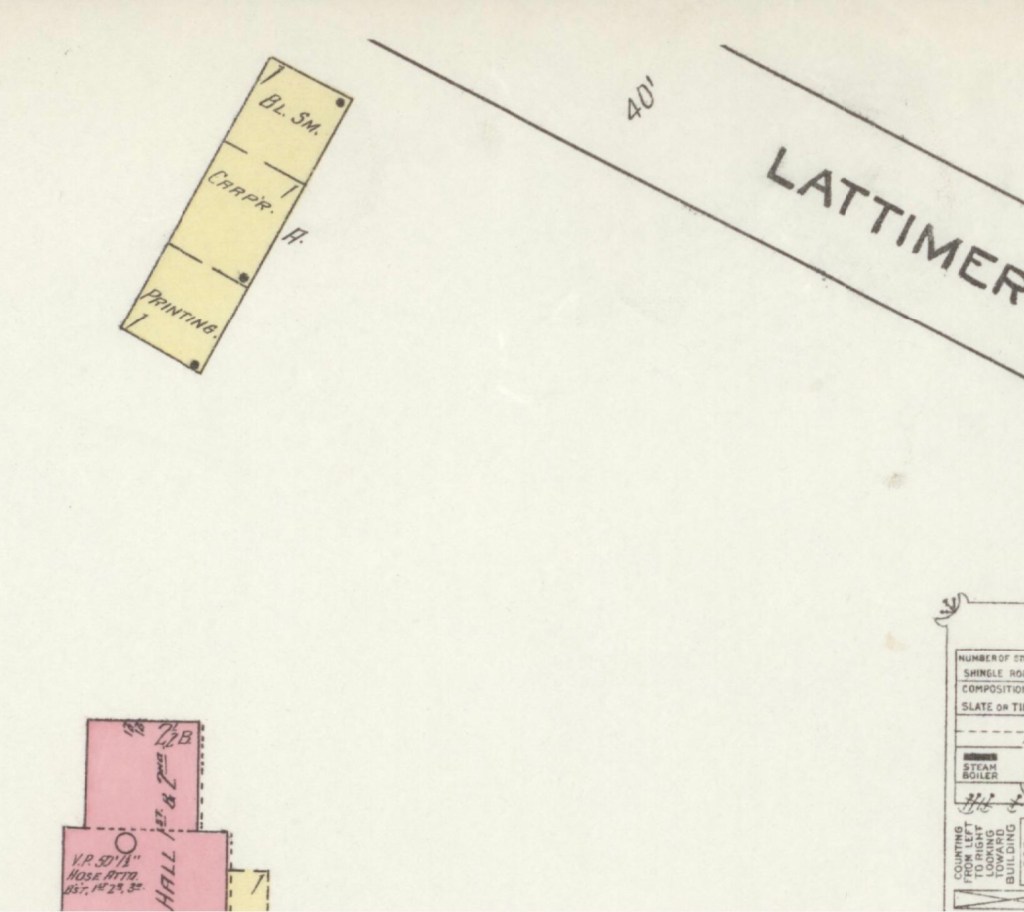
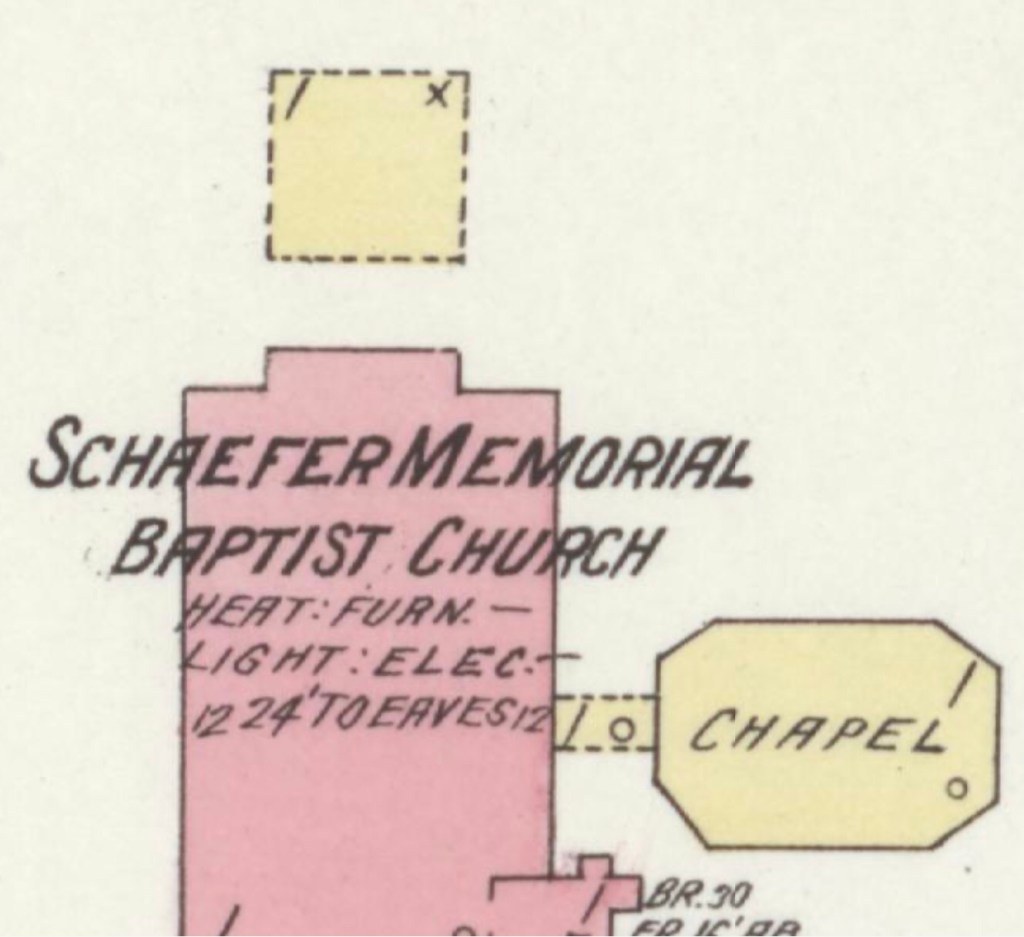
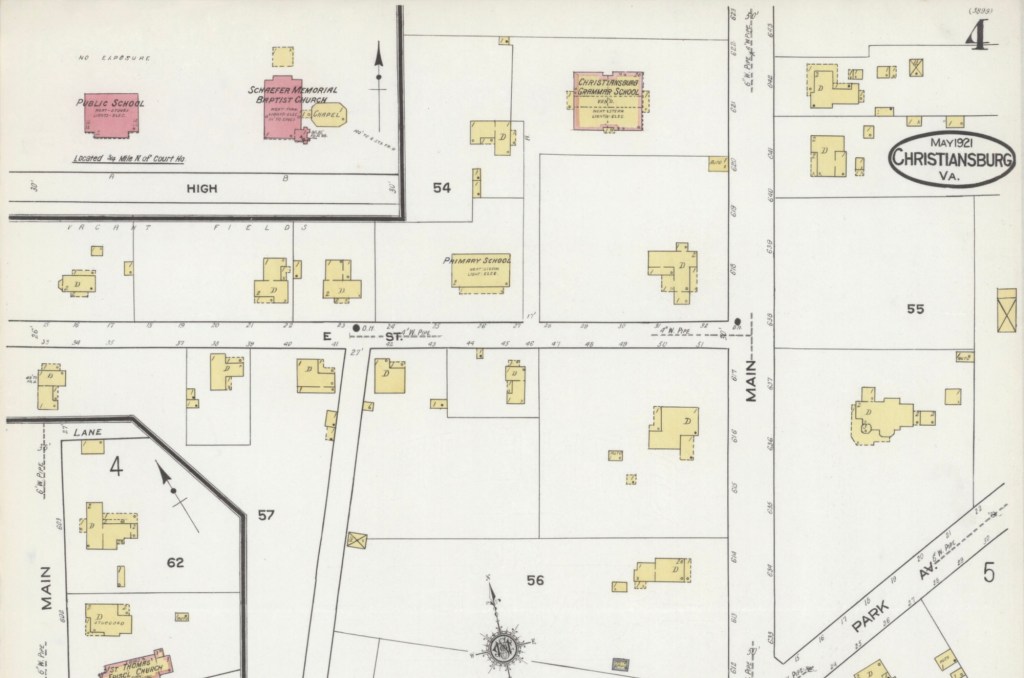
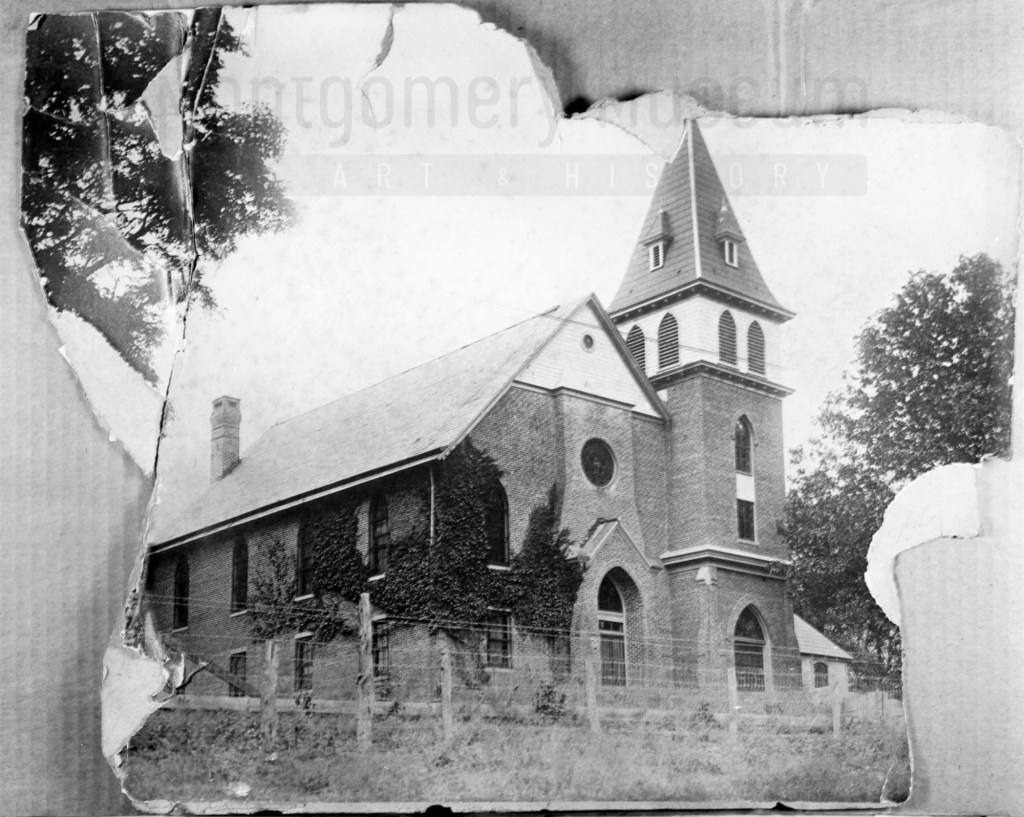
Zion Hill – 1921 Sanborn Fire Map of Christiansburg with the School and Baptist Church in red (brick) at the top, left.

*The Depot was Bangs which then was named Cambria in the late 1890s.

Photograph courtesy of the D.D. Lester Collection, Montgomery Museum of Art & History

Preservation of Historic St Luke, Odd Fellows & House of Ruth Under One Roof – Blacksburg, Virginia

St Luke, Odd Fellows, & House of Ruth Orders served the African American Communities which were settled soon after emancipation and located within the Town of Blacksburg and the surrounding areas within the Montgomery County, Virginia.

Within the region we know that a lodge existed in Roanoke, Christiansburg, Pulaski (Radford) and Blacksburg. The documents indicate that they were in close communications. Who was instrumental in bringing these orders to the New River Valley? Who interfaced with Maggie Walker’s Penny Savings Bank? Much to discover.

St Luke, Odd Fellows & House of Ruth (Photo taken September 2023)

Lone Light Lodge #3026. Instituted Aug 3, 1888. Pulaski City, VA (Courtesy of Christiansburg Institute, Inc