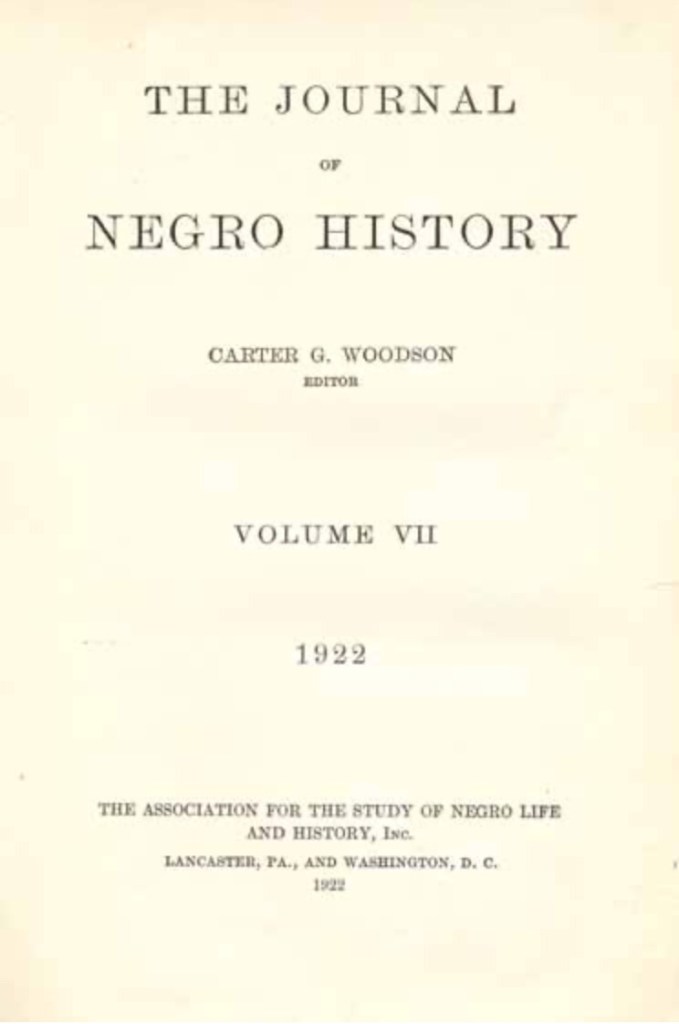
The First Negro Churches in the District of Columbia, John W. Cromwell, 64-106 p., Lancaster, Pa.; Washington, D. C. The Association for the Study of Negro Life and History, Inc., 1917 From the Journal of Negro History 7, no.1 (January 1922), 64-106. Call number E185 .J86 v. 7 1922 (Davis Library, University of North Carolina at Chapel Hill)
Many names associated with Montgomery County, Virginia: Anderson, Bell, Green, Hunter, Johnson, Muse, Saunders, Stewart, Taylor, Walker
Odd Fellows as well as the history of the establishment of churches in the District of Columbia.
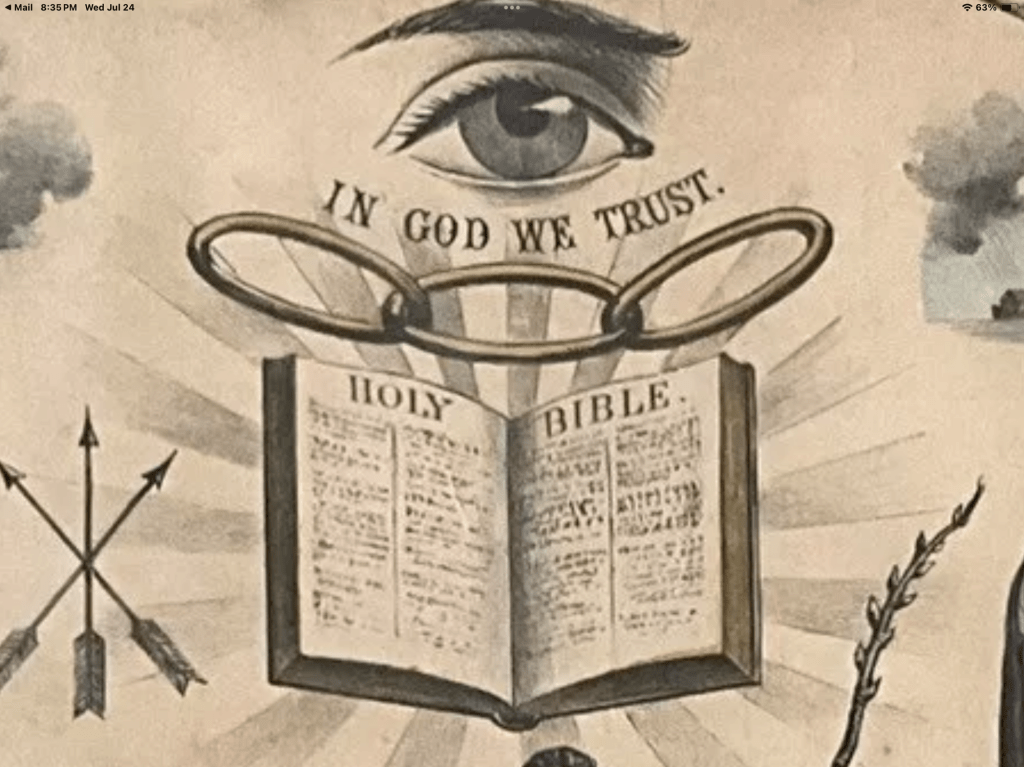
Symbols hold significant importance for members of the Grand United Order of Odd Fellows (GUOOF).
By the early 1900s, the Grand United Order of Odd Fellows had gained significant popularity, with both men and women joining its secret societies. This benevolent group was established in Blacksburg, Christiansburg and Pulaski, Virginia to improve their communities by providing charitable support to orphans, the sick, and the poor.
Symbols hold significant importance in education and as visual reminders for members of the Grand United Order of Odd Fellows (GUOOF) for several reasons:
Simplification of Complex Ideas: Symbols distill complex concepts into simple, recognizable forms, making it easier to convey teachings and principles.
Memory Aids: They serve as mnemonic devices, helping members remember key teachings, values, and rituals.
Engagement: Visual representations engage members more deeply than text alone, fostering better understanding and retention.
Communication: Symbols transcend language barriers, enabling diverse groups to share common understandings and values.
Constant Presence: They act as continual, visual reminders of the GUOOF’s values and principles, reinforcing them in daily life.
Identity and Unity: Symbols create a sense of belonging and unity among members by providing a shared set of images and meanings.
Moral Guidance: They encapsulate moral and ethical lessons, guiding members in their conduct and decision-making.
Tradition and Continuity: Symbols connect current members to the historical roots and traditions of the GUOOF, promoting continuity and respect for the organization’s heritage.
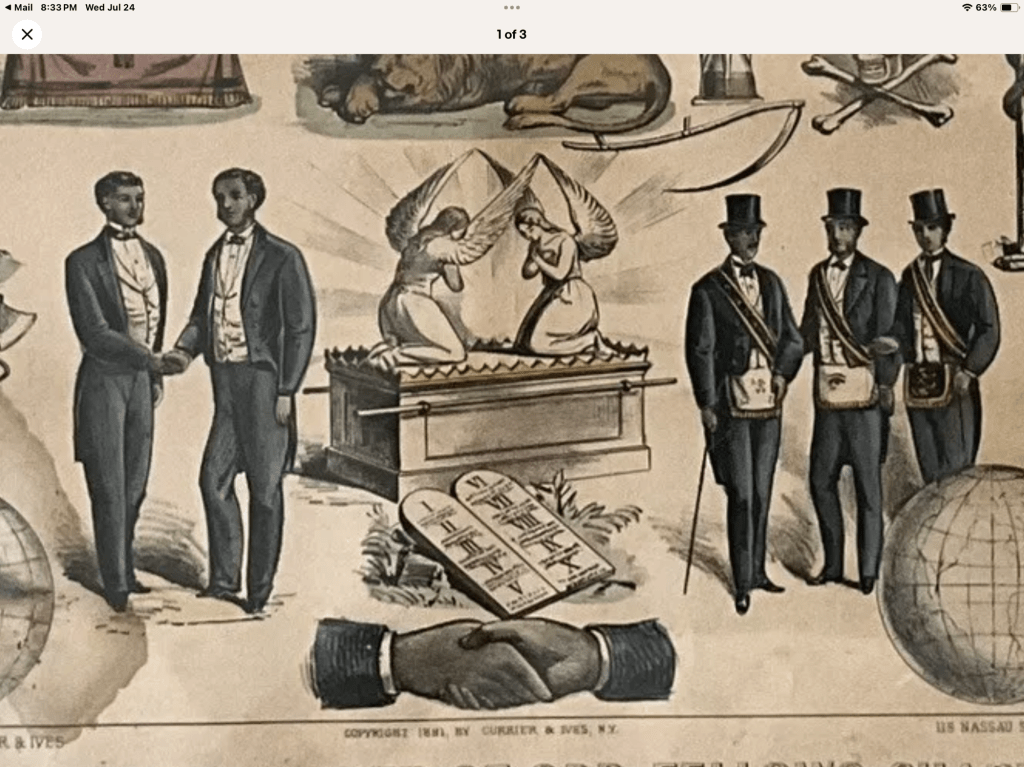
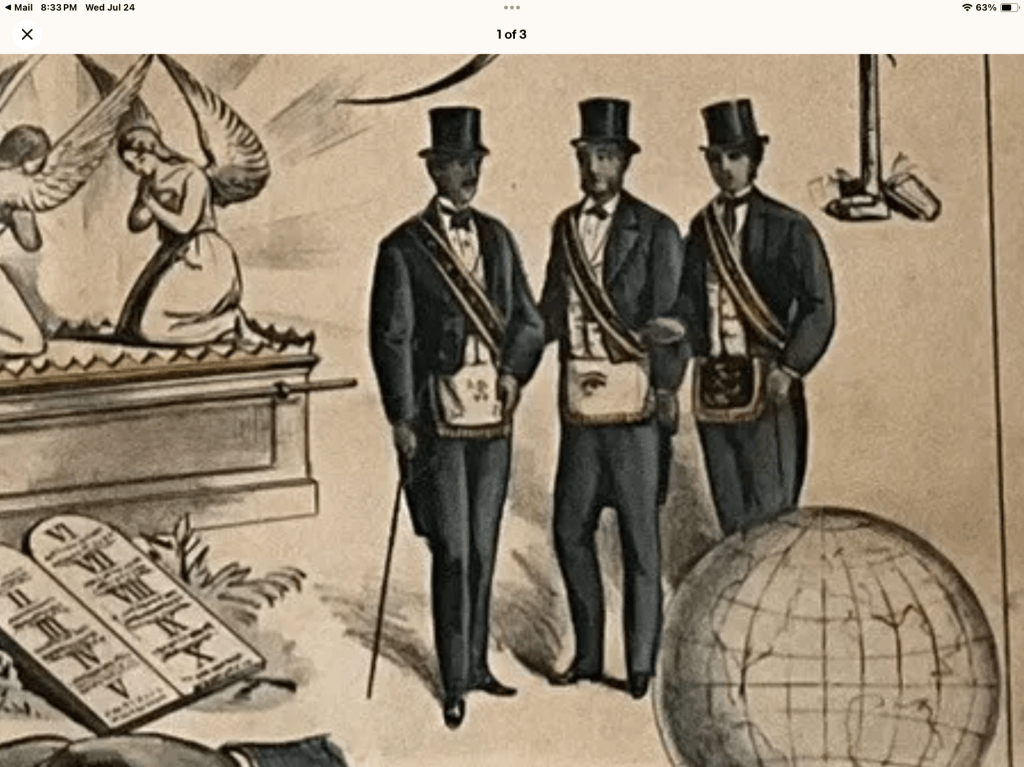
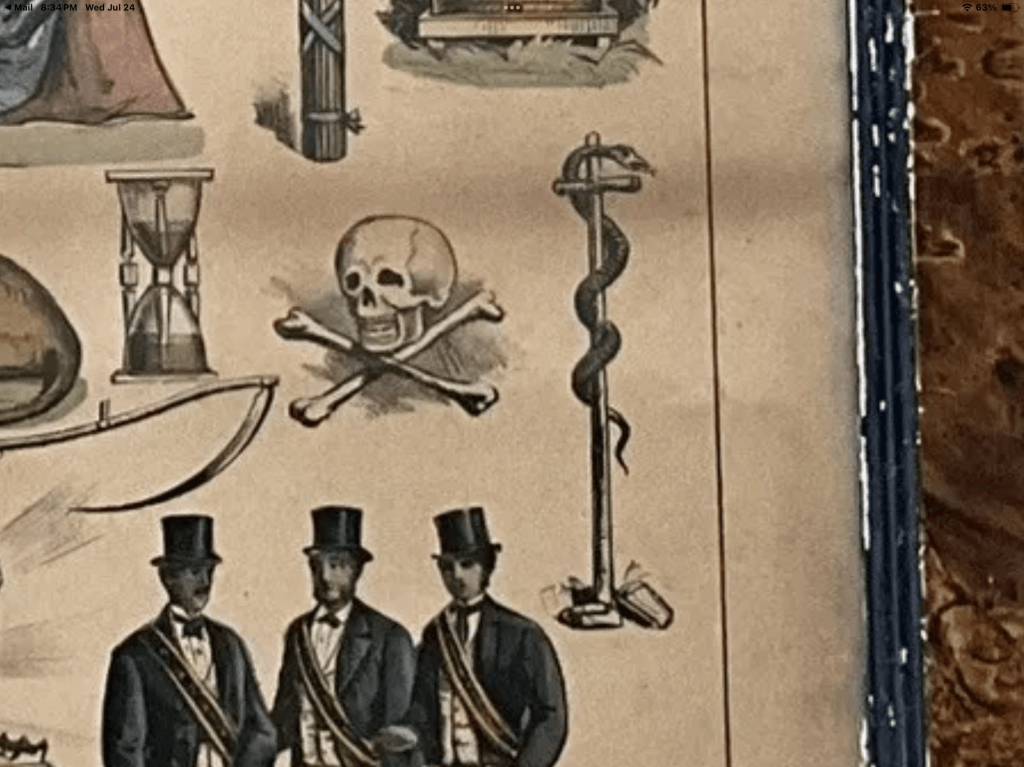
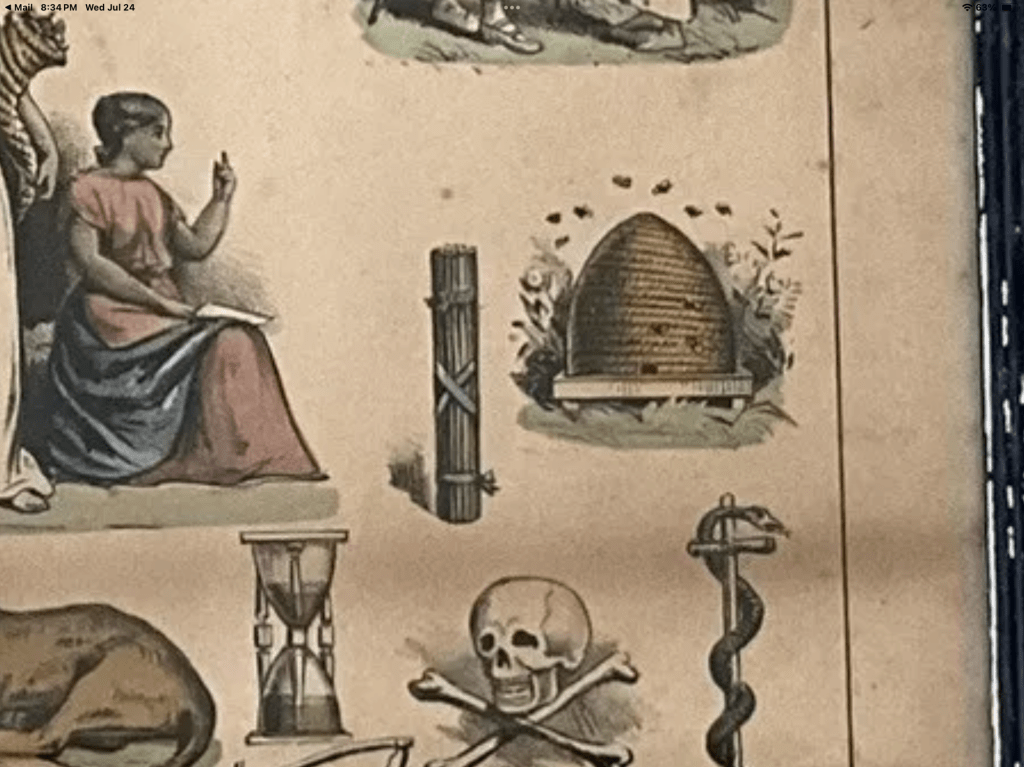
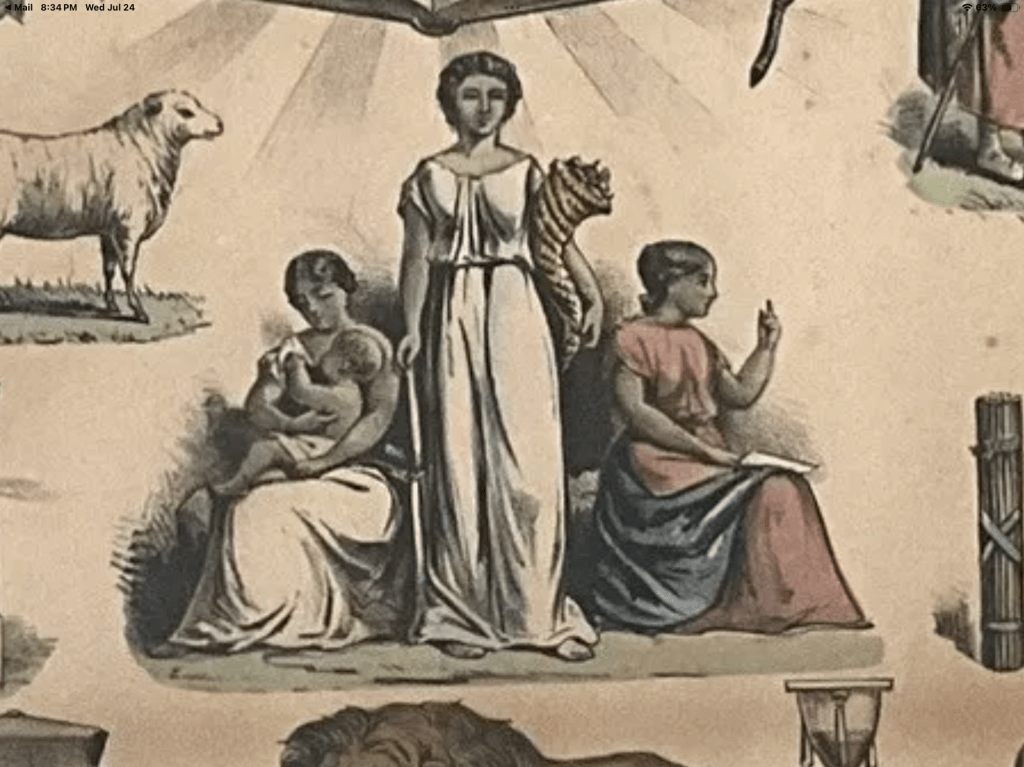
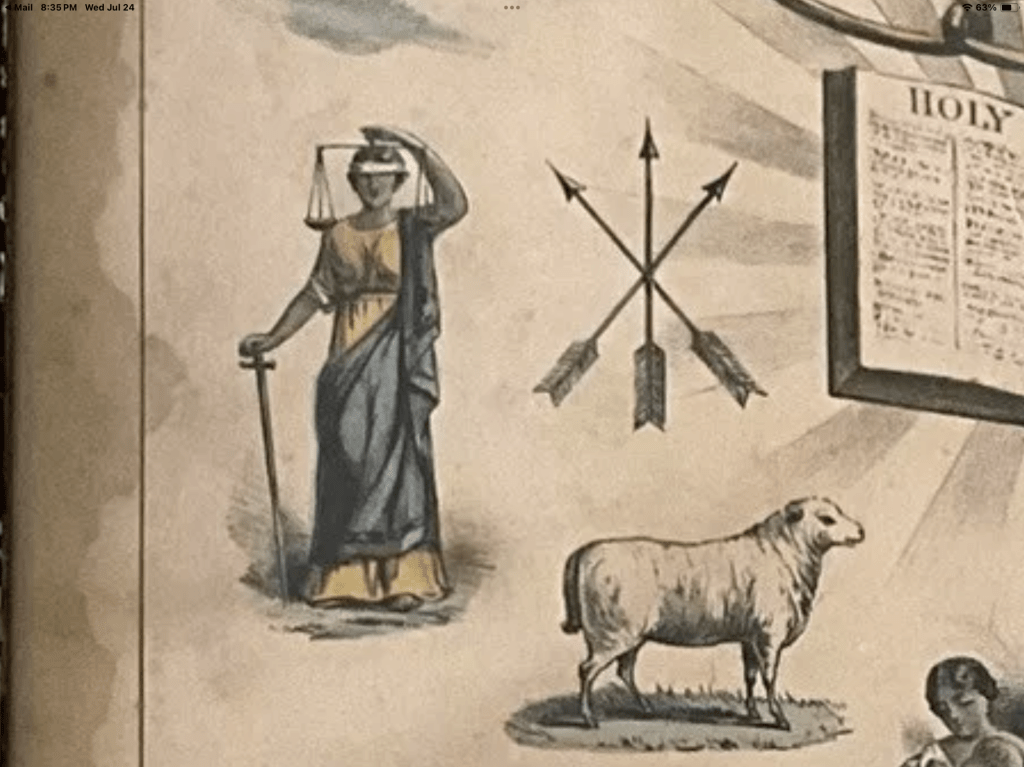
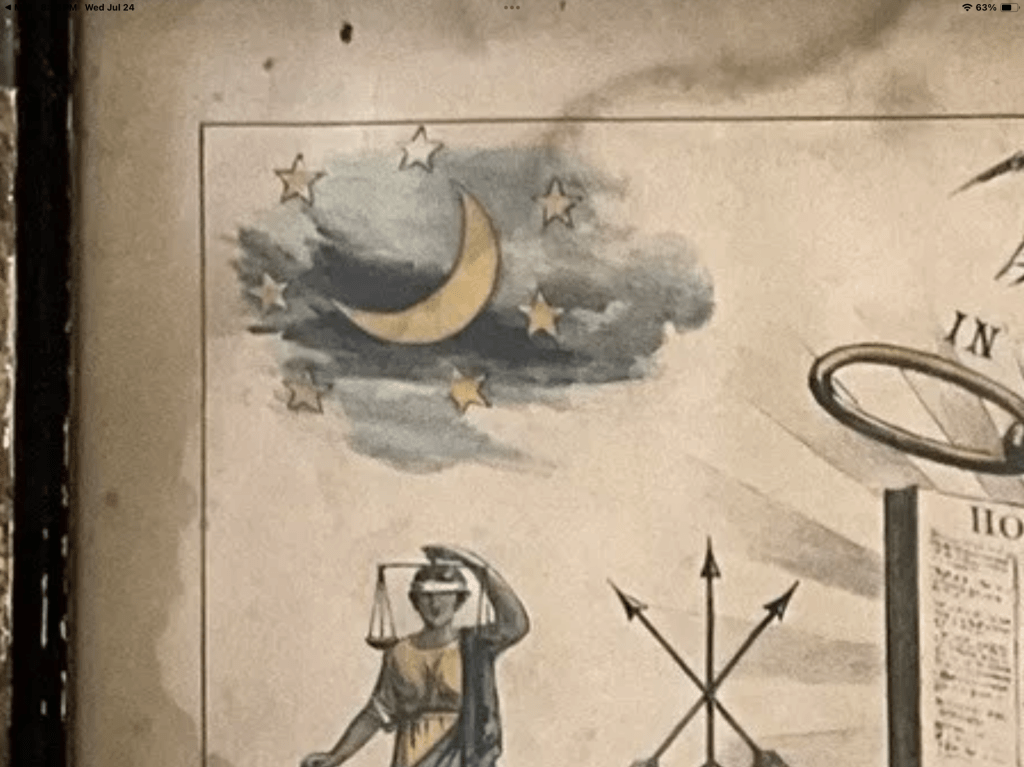
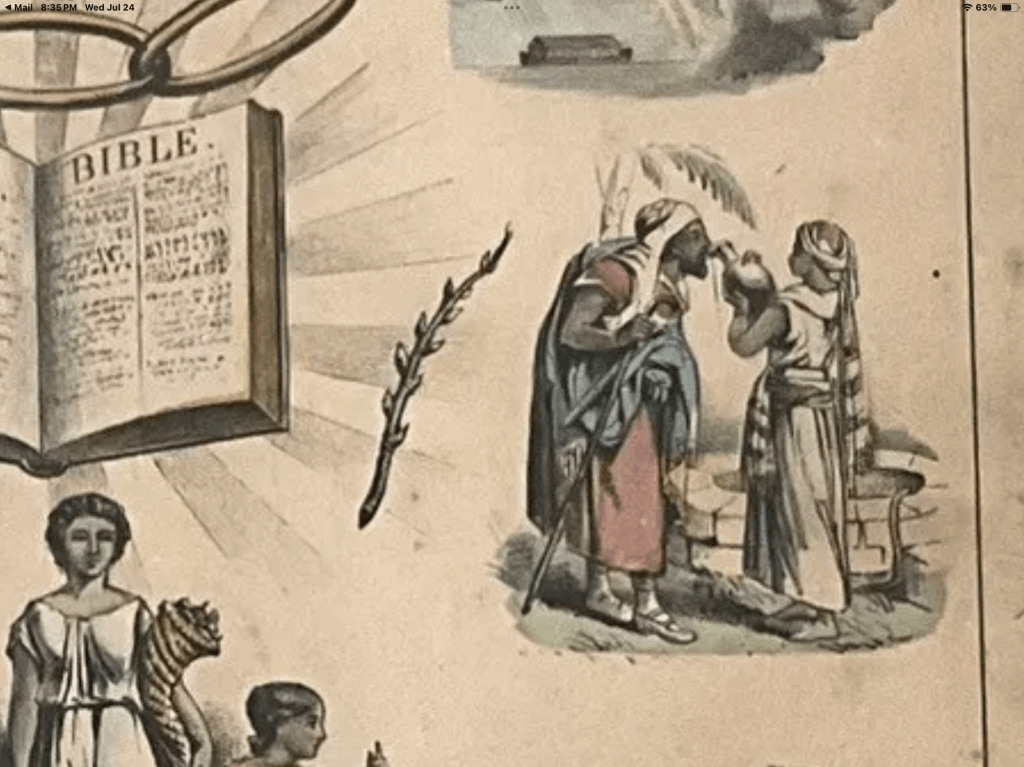
This Currier & Ives of New York 1881 print illustrate the common symbols which the order’s members would recognize and hold dear.
Skull and Crossbones – Life is short and we have much to doBee hive – industry to work towards a greater good for allLady Liberty, Lamb of God, Three ArrowsNoah’s Ark and the symbol of peace
Collection of Morticians, Undertakers, Funeral Home Directors in Southwest Virginia
Collection of Morticians, Undertakers, Funeral Home Directors in Southwest Virginia
CC Williams, Mortician & Ambulance Service in Roanoke (The Church News, 1 Feb 1934, pg 4)R.W. Clark Citizen’s Undertaking Establishment, Roanoke, VA (The Church News, 1 Feb 1934, pg 4)
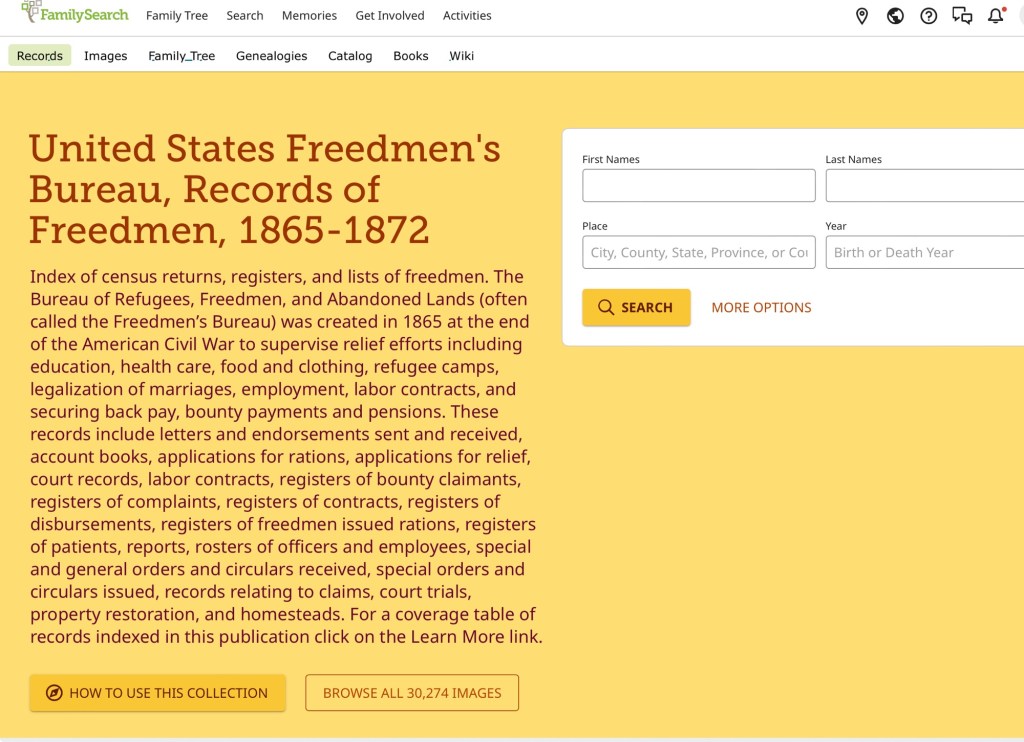
The Index of census returns, registers, and lists of freedmen is overseen by the Bureau of Refugees, Freedmen, and Abandoned Lands, commonly known as the Freedmen’s Bureau. Established in 1865 after the American Civil War, its responsibilities include supervising relief efforts such as education, healthcare, food, clothing, refugee camps, marriage legalization, employment, labor contracts, and ensuring back pay, bounty payments, and pensions.
Family Search records are free but registration is required.
Virginia, Roll 130, Registers of freedmen sent to New England states, 1866-1867
Virginia, Wytheville, Roll 198, Census returns of the black population of Montgomery, Grayson, Smyth, Giles, Roanoke, Craig, and Floyd Counties, 1865 (Images 214-412)
Virginia, Christianburg, Roll 68, Census returns of blacks in Montgomery County
Seven Year Timeline of the Bureau of Refugees, Freedmen, and Abandoned Lands (Freedmen’s Bureau): March 1865 to June 1872.
September 2, 1862: “President Lincoln issued the Preliminary Emancipation Proclamation, declaring that as of January 1, 1863 “all persons held as slaves within any State, or designated part of a State, the people whereof shall then be in rebellion against the United States shall be then, thenceforward, and forever free.”” (Library of Congress)
January 1, 1863: President Lincoln issued the Emancipation Proclamation
April 9, 1865: Lee surrenders to Grant at Appomattox, ending the Civil War.
Juneteenth, 1865 – Smithsonian’s National Museum of African American of History & Culture
National – 3 March 1865: the bureau was created by the War Department of the US Government. Commissioners and Assistant Commissioners as well as General Superintendent of Schools were established.
Virginia – June 1865 to May 1866: Orlando Brown established an office and operated as Commissioner of Virginia, in Richmond.
Virginia – 4 July 1865 to 14 April 1867: Virginia Bureau is organized into 10 districts with an Agent/Superintendent in charge.
Mont. Co – Sept 1865: Buel Carter became the 8th District’s first Superintendent, establishing an office in Christiansburg but move the office to Wythville in September of the same year.
National – Oct 1865 to Jan 1867: Rev. John W. Alvord became Inspector of Finances and Schools to address schools.
Mont. Co – May 1866: Capt Charles S. Schaeffer arrives in Christiansburg as the agent, working under Brevet Maj. George P. Sherwood became Superintendent of the 8th District in June 1866.
Virginia – May 1866 to Aug 1866: Maj. Gen. Alfred H. Terry is Assistant Commissioner, Richmond.
National – 16 July 1866: the Bureau of Freedmen is extended by Congress.
Virginia – Aug 1866 to March 1867: Maj. Gen. John M. Schofield is named Assistant Commissioner .
Virginia – 15 April 1867: The state is reorganization into 10 Sub-districts with Sub-Assistant Commissioner in charge.
Mont. Co- 15 April 1867: District 8 , the central office remained in Wythville. CA Schaeffer remained in Christiansburg.
Virginia – March 1867 to May 1869: Orlando Bowen becomes Assistant Commissioner and Superintendent of Education.
National – 6 July 1968: The Bureau of Freedmen is extended for the last time.
National – 25 July 1868: Congress removes the Bureau’s Assistant Commissioners from the states, but claim agents remain in place.
Mont. Co. – Dec 1868: Freedmen’s Bureau closes its Christiansburg office. Schaeffer retained as Assistant Superintendent of Education.
Virginia – 1 Jan 1869: the 10 Virginia districts are reorganized into 8 Education Sub Districts and Assistant Superintendent of Schools are appointed.
Virginia – 1870: New constitution was ratified which included Public School Funding for all children as a requirement. By 1870 the legislation was set to allow this to happen, though the education would be segregated.
National- Summer 1870: Superintendents of Education removed and headquarters staff reduced.
National – 30 June 1872: The Freedmen’s Bureau was terminated by Congress.
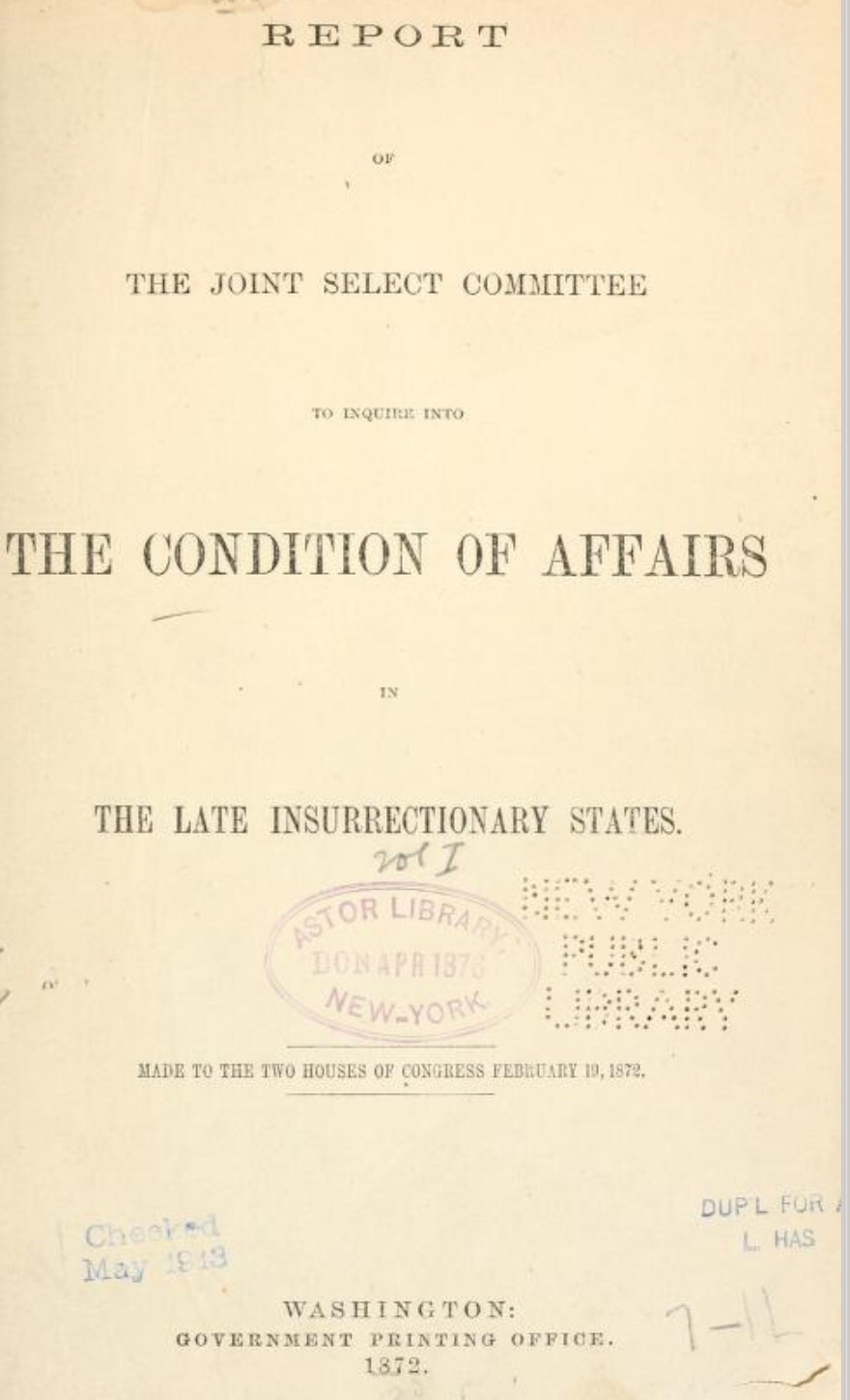
In 1872, a 13-volume compilation of reports and testimonies, including those from previously enslaved individuals, documented a Congressional committee’s investigation into the Ku Klux Klan and other insurrectionary movements in the former Confederate states.
In 1872, a 13-volume compilation of reports and testimonies, including those from previously enslaved individuals, documented a Congressional committee’s investigation into the Ku Klux Klan and other insurrectionary movements in the former Confederate states.
While Virginia is absent from this congressional report, the testimonies offer valuable insights into the beliefs, attitudes, misconceptions, and misdirections surrounding the mistreatment of newly freed people residing in the former Confederate states.
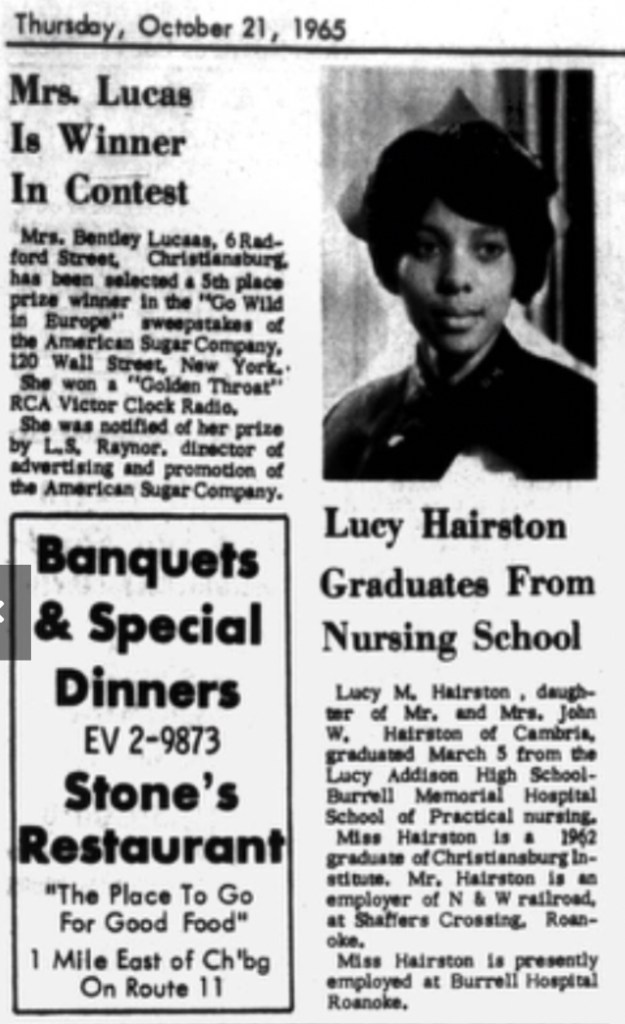
“Lucy M. Hairston, daughter of Mr. And Mrs. John W. Hairston of Cambria, graduated March 5 from the Lucy Addison High School-Burrell Memorial Hospital School of Practical nursing.
Miss Hairston is a 1962 graduate of Christiansburg Institute. Mr. Hairston is an employer of N & W railroad, at Schaffer’s Crossing, Roanoke.
Miss Hairston is presently employed at Burrell Hospital”
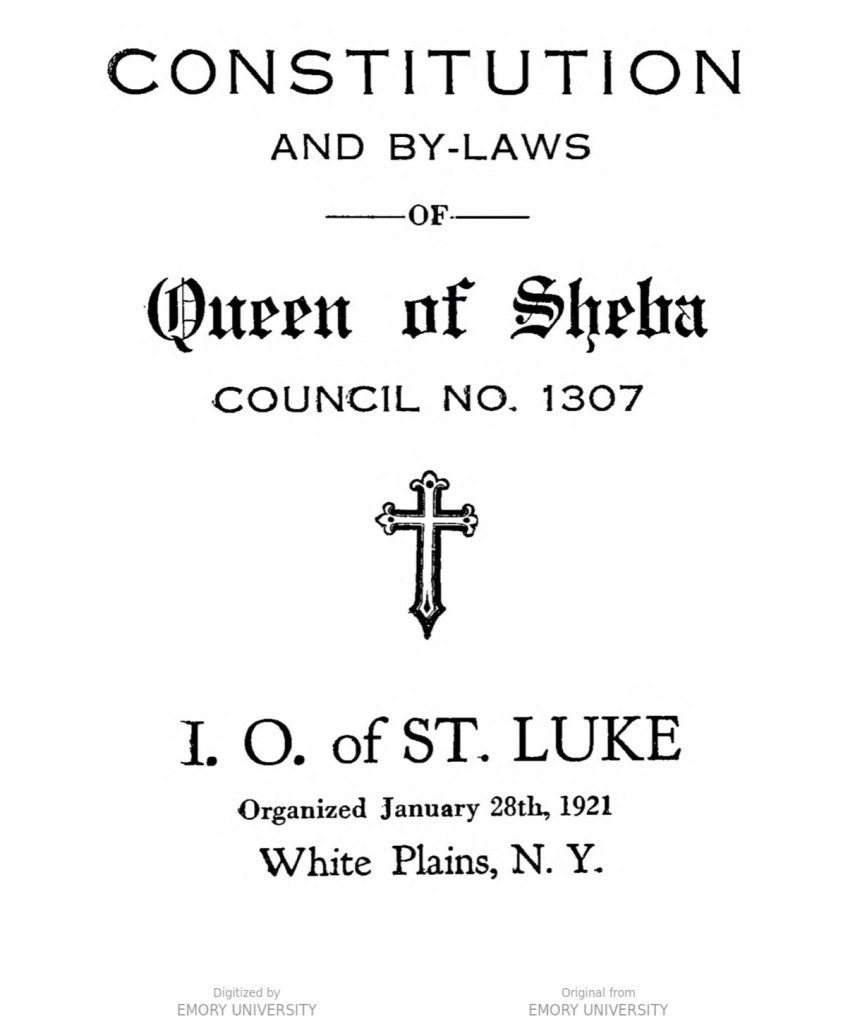
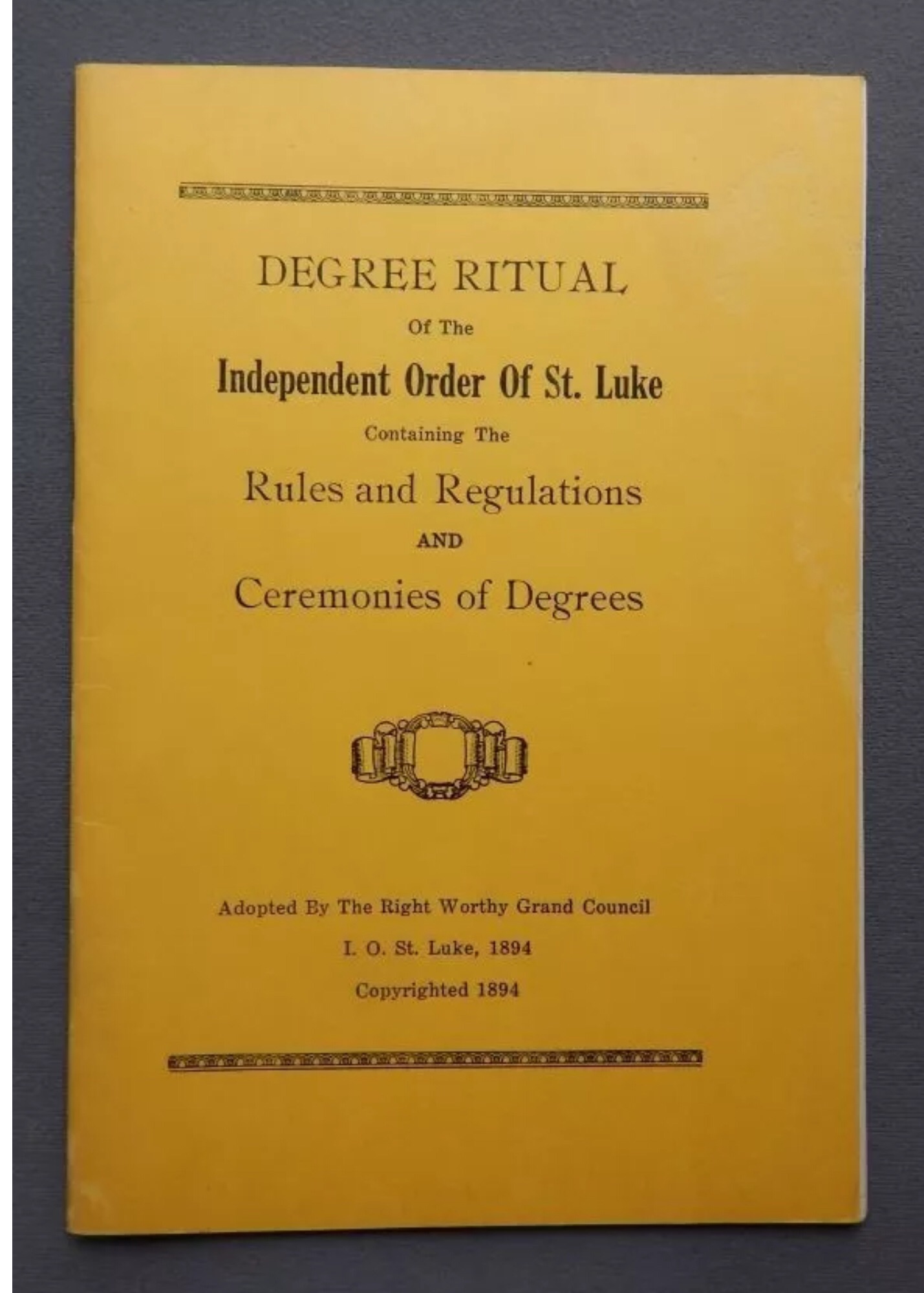
In Blacksburg, Virginia, the Independent Order of St Luke shared the same building with the Grant United Order of Odd Fellows, Tadmore Light 6184, located in New Town. That order’s copy of the Constitution and By-laws may be lost to history, but the Queen of Sheba Council’s 1921 version is fortunately accessible. This document highlights the significance of mutual aid within the framework of the function of the Order of St Luke.
Independent Order of St. Luke. Queen of Sheba Council No. , Randall K. Burkett, Lucy Emanuel, and Amos M. Gailliard. Constitution And By-laws of Queen of Sheba Council No. 1307, I.O. of St. Luke, Organized January 28th, 1921, White Plains, N.Y. [White Plains, N.Y.]: [The Council], 1921.
Madame Maggie J. Walker’s Vision for the Independent Order of St Luke Reflected in the Constitution and By-laws
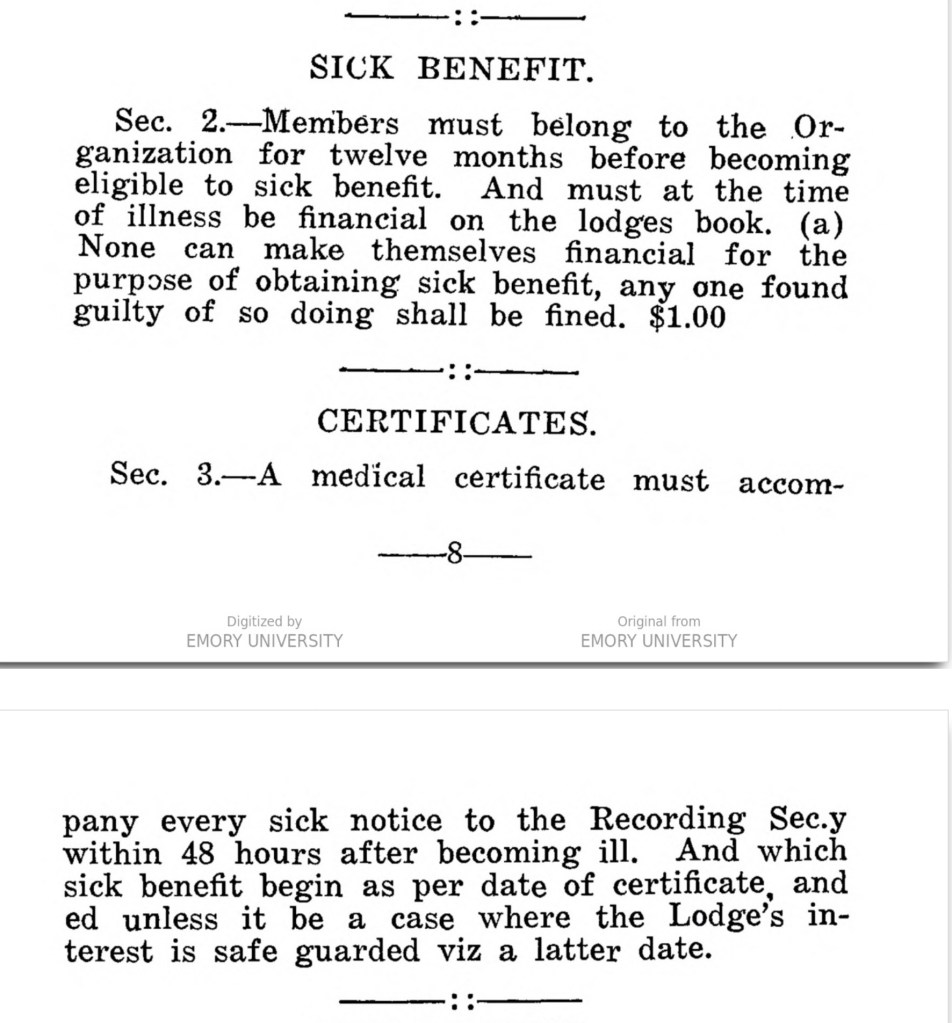
During the Jim Crow era, white-owned firms refused to grant disability and life insurance to the black community. In response, IOSL provided weekly sickness and disability benefits as well as funeral assistance for its members starting in 1895. Similar to contemporary insurance companies, it offered various premium options. Mrs. Walker’s effective leadership in membership drives bolstered the organization’s finances, enabling prompt payment of death claims and reduced premium costs.
Sick Benefit
Members who wished to receive financial support in the event of being sick or disabled, paid monthly dues into the Sick Benefit fund. The Sick Committee manages the implementation of this benefit. The member could receive no more than $35/year. That equates to about $t00 in current value.
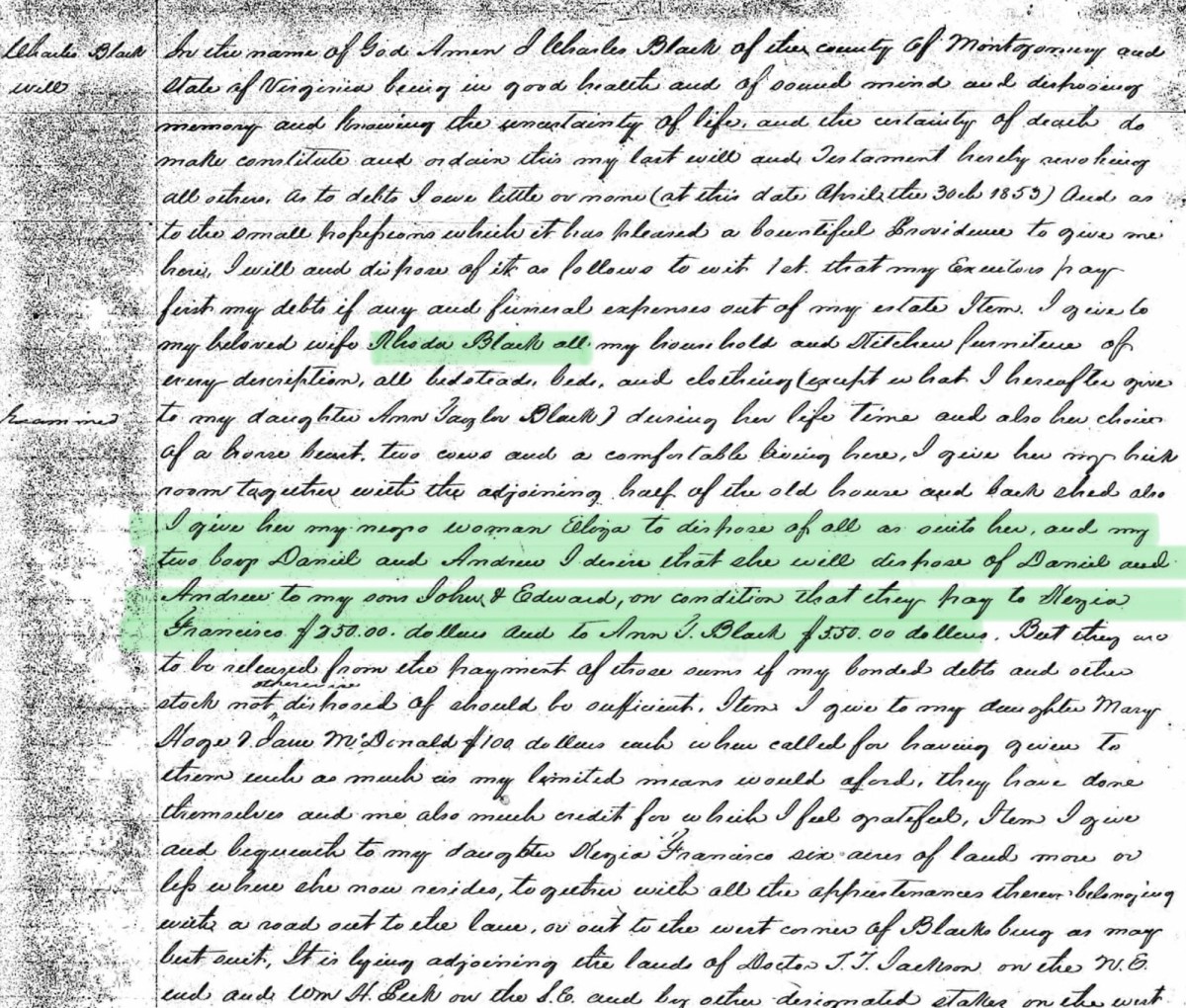
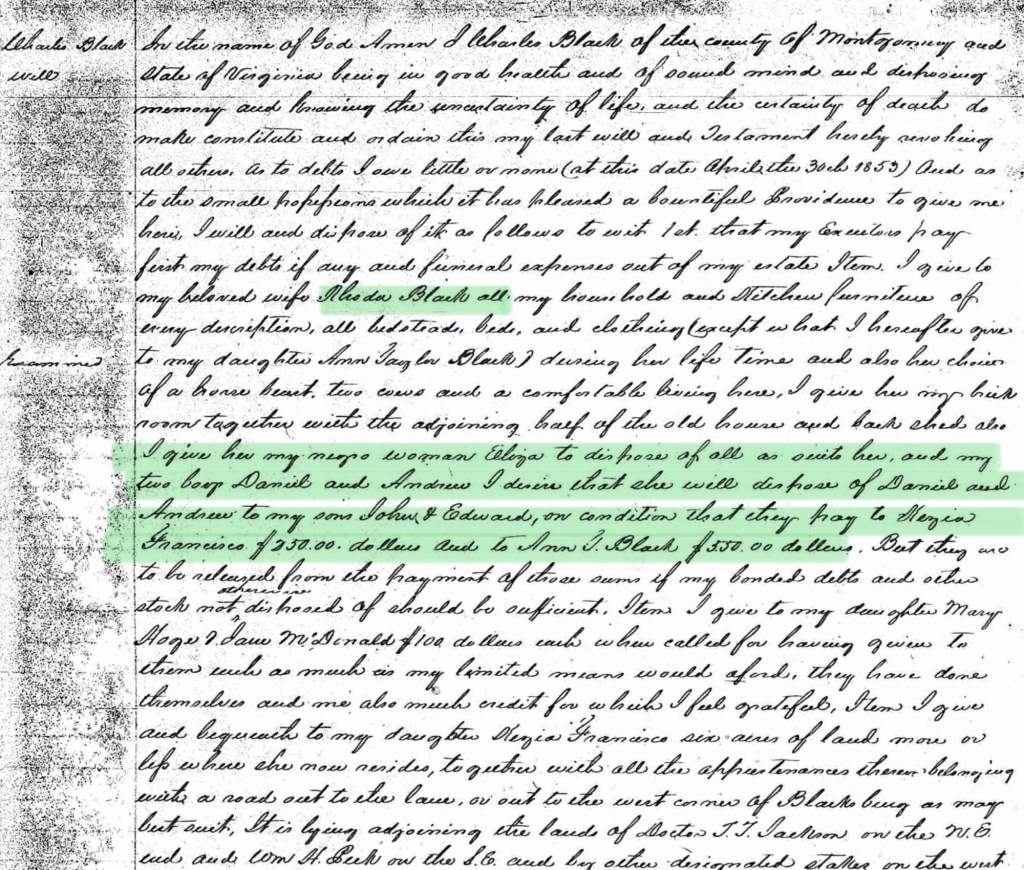
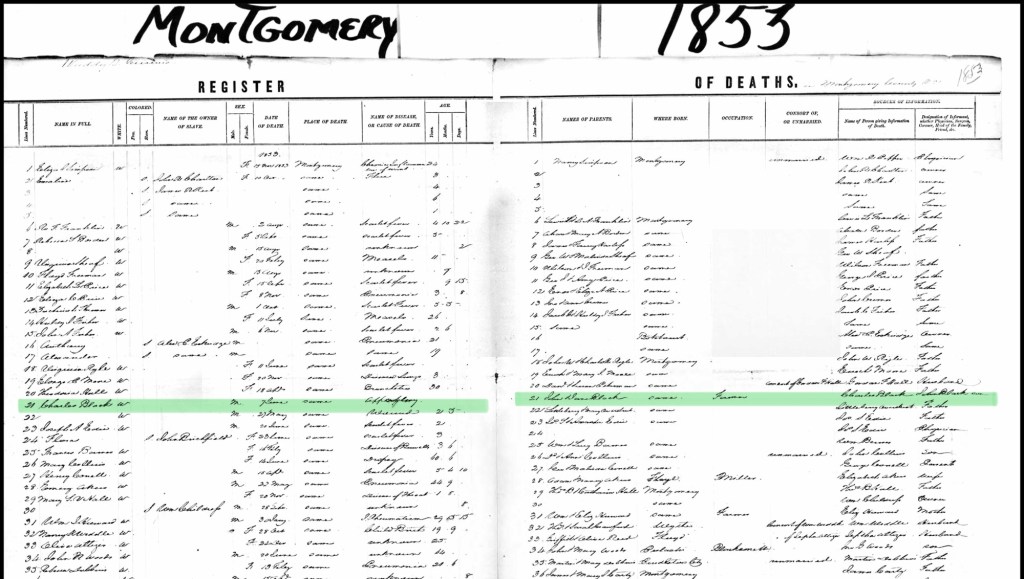
This is the last will and testament of Charles Black (1796-1853), son of John Black (1755-1845) and nephew of William Black, namesake of the Town of Blacksburg, Virginia. Charles died 1853 and his will was proved in Montgomery County, by Rice D. Montague, Clerk.
Quote: “I give her [my beloved wife Rhoda Black] my negro woman Eliza to dispose of all as suits her, and my two boys Daniel and Andrew I desire that she will dispose of Daniel and Andrew to my sons John & Edward, on condition that they pay to Kezia Francisco $750.00. dollars and to Ann T. Black $550.00 dollars.”
Rhoda McDonald Black (1805-1859), wife and mother of Keziah Black Francisco (1830-1903), Ann Taylor “Nannie” Black (1837-1903), John Black A. (1831-1899), and Edward Black (1835-1912).
Much of Charles and Rhoda Black’s land becomes part of Virginia Tech campus after the death of Charles and Rhoda.
Page 1 Charles Black Last Will & Testament, Montgomery County Court HousePage 2
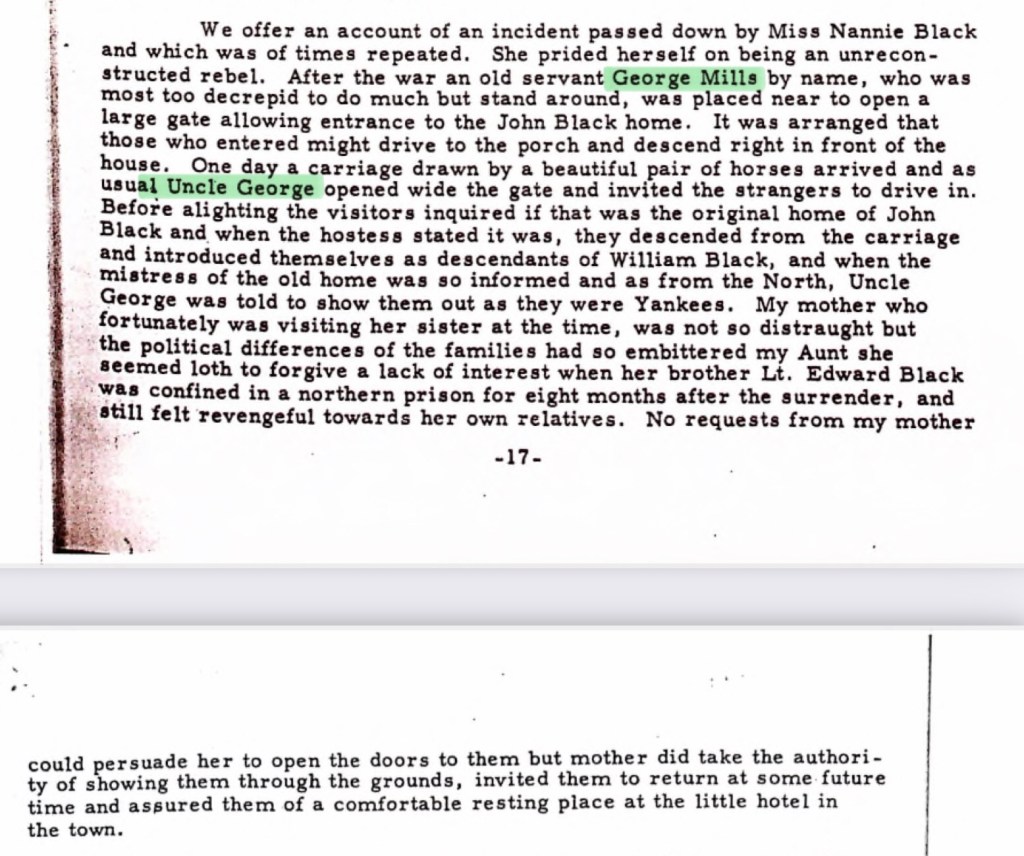
George Mills is noted as “After the war an old servant George Mills by name….” in Nannie Francisco Porter’s , daughter of Keziah Black Francisco.
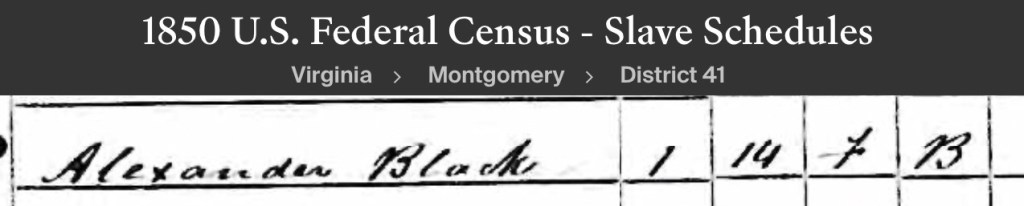
The 1850 Slave Schedule for Montgomery County does not name the people held against their will and provide a documentation of the slave owners. Charles Black’s will notes three people, a woman and two men, not four as noted below. No proof yet, but perhaps Eliza is the one listed female. Daniel and Andrew are likely one of these three people.
Alexander Black is the brother of Charles Black.
1859 Slave Schedule for Charles Black (3 years before his death)1850 Slave Schedule for Alexander BlackRegister of Death of Charles Black
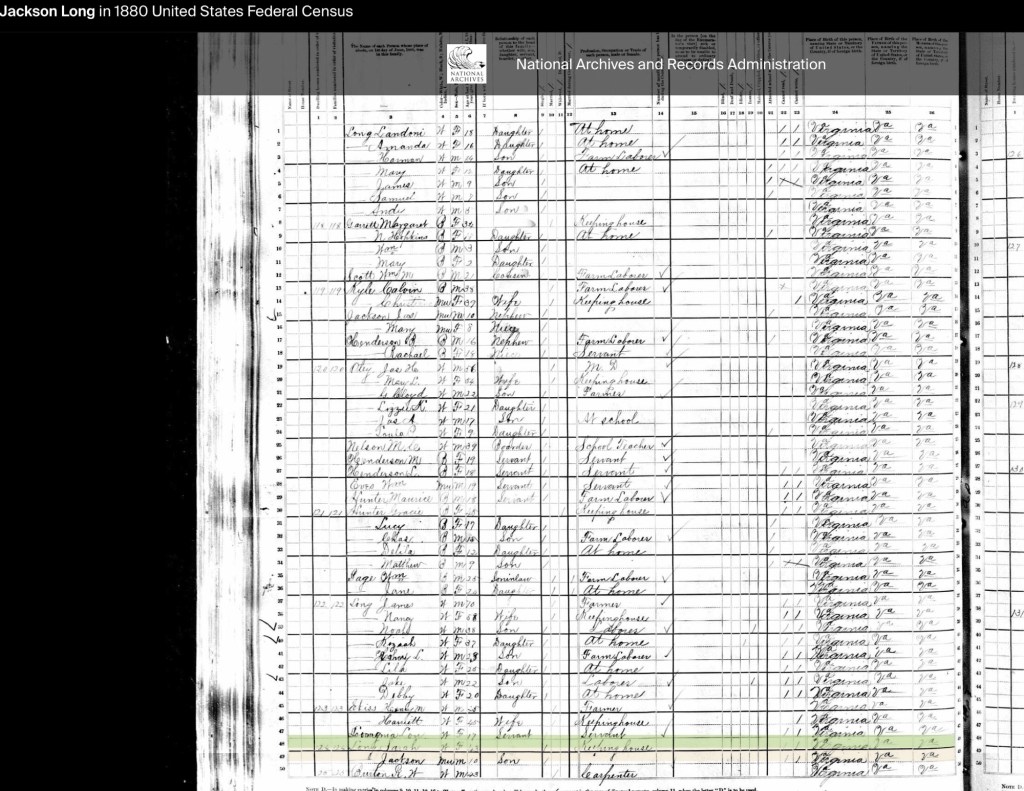
Andrew Jackson “Jack” Long was born in 1870 in Montgomery County as noted in the 1880 & 1900 US Census, and Jackson’s marriage record in 1892. In the 1930 census his birth year was noted as 1872. These documents list Jackson as either “mulatto, black or colored” and Sara/Sarah as “white.” No father was listed.
In the marriage record Jackson’s mother is noted as Sara Long and in the 1880 US Census as Sarah. In the 1880 census Sarah and Jackson are living in the vicinity of other Long families and close to the James Otey farm, Walnut Springs, close to Toms Creek.
On 1 September 1892, Jackson Long (22 yrs, laborer) marries Mary Jackson (21 yrs) by D. Bill Groseclose. Polly Jackson is noted as Mary’s mother.
Eight years later the family of 6 appears in the 1900 US Census. Jackson is 26 and a laborer in the stone quarry; Mary, his wife, is 26 and had given birth to 4 children, all still alive: Theodosia, daughter, born December 1893, 6 yr; Thomas, son, born September 1895, 4 yr; Donald, son, born May 1896, 4 yr; Hary C, son, June 1897, 3 years.
1930 US Census finds the family in Montgomery County, and appears to be living in the same neighborhood. Jackson and Mary own their home, worth $600. He is working in Mill Rock Quarry as a Stone Cutter. The couple are now living with 7 children.
Donald and Thomas are working in the millstone quarry. Thomas is 34 (b. 1906) and Donald is 31 yrs old (b. 1909). Theodore (Ted) is 23 (b. 1917) and his brother Gilbert 13 (b. 1917) are working on a dairy farm and Mason is 22 (b. 1918) and working on a “truck” vegetable farm. The two daughters, Eva is 19 (b. 1911) and Annie 16 yrs (b. 1914) are at home.
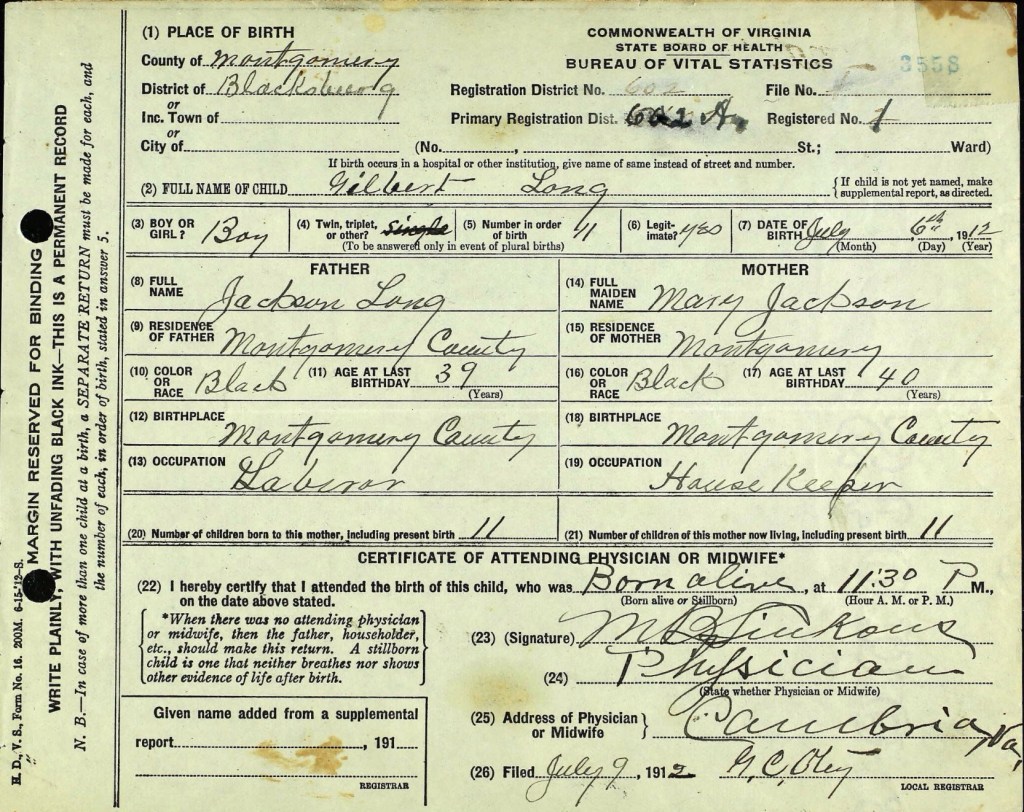
The birth certificate for Gilbert add to the Long’s story. He is listed as the 11th child, born on 6 July 1912 to 39 yrs old Jackson Long and Mary Jackson Long, age 40, housekeeper. M.B. Linkous was the attending physician in Cambria.
1880 US Census1900 US Census1892 Montgomery County, Va Marriage RecordBirth of Gilbert Long1930 Us Census, Montgomery County, Va
Anderson, T.J., Alonso, N. (eds), Tilting at Mills:The Archaeology and Geology of Mills and Milling. Revista d’Arqueologia de Ponent extra 4, 2019, 257-281.



























 Gathering African American History