Genealogical Importance of Southern Confederacy Documents for African American Research

When researching African American genealogy, particularly in the South, it can be challenging to trace family history due to the lack of comprehensive records. However, some of this information can be found in an unexpected place: the Civil War documents of the Southern Confederacy and the United States Military.

When researching African American genealogy, particularly in the South, it can be challenging to trace family history due to the lack of comprehensive records. However, some of this information can be found in an unexpected place: the Civil War documents of the Southern Confederacy and the US Military.

The book Virginia’s Black Confederates: Essays and Rosters by Greg Eanes highlights this, providing primary source documents that list the roles free and enslaved Black men, women, and children performed for the Southern war complex. These records, while written from a perspective that upholds the Confederacy’s narrative, contain valuable data for tracing African American ancestry.

The information in the post is found within this book. Eanes, Greg. Virginia’s Black Confederates: Essays and Rosters 2014. Civil War Sesquicentennial Edition, 2nd Edition.

Virginia 11th Regiment and Montgomery County

This regiment was established in Lynchburg, VA in May 1861 and put into service in July that same year. It was comprised of men from Botetourt, Campbell, Culpeper, Fauquier, Montgomery, and Rockbridge Counties. The free and un-free Blacks associated with this regiment may be listed in the regimental documents.

Eane’s Compilation of of Jobs Performed by Free & Enslaved (pgs 22-23)

  • Body Servant – “Assist with care, cleanliness, and order as assigned quarters, uniforms, and military personal equipment; Help to purchase, prepare, and serve food and beverages in the General Officer’s quarters.”
  • Cook – “Preparation and service of food in field or garrison food service operations.”
  • Teamster – “Motor Transport Operators” and “Cargo Specialist.”
  • Laborer-Breastwork – “Combat Engineer” and “Carpentry and Masonry Specialist.”
  • Laborer – Railroad – “Railway Equipment Repairers”, “Railway Section Repairers”, and “Railway Operations Crewmember.”
  • Laborer – Burial Details – “…recovery, collection, evacuation, establishment of tentative identification” of the body and possessions.
  • Hostler – “comprehensive care for government owned animals.”
  • Hospital Steward/Nurse – provide movement and care for injured people.
  • Musician – professional Army band
  • Blacksmith – “fabrication, repair and modification of metallic and nonmetallic parts.”
  • Mechanic – “maintenance and repair on artillery, small arms; store ammunition.”
  • Carpenter – “Perform general heavy carpentry, structural steel and masonry duties.”
  • Boatman – “..navigation, cargo operations and supervising other Soldiers on Army watercraft.”
  • Laundress – “supervising and performing laundry…”
  • Preacher – “Support Unit Ministry Team”
  • Scouts/Spies – “..reconnaissance…”

Compiled Service Records

Service records provide valuable information. They are available in paid sources, Ancestry.com or Fold.com and in Familysearch.org.

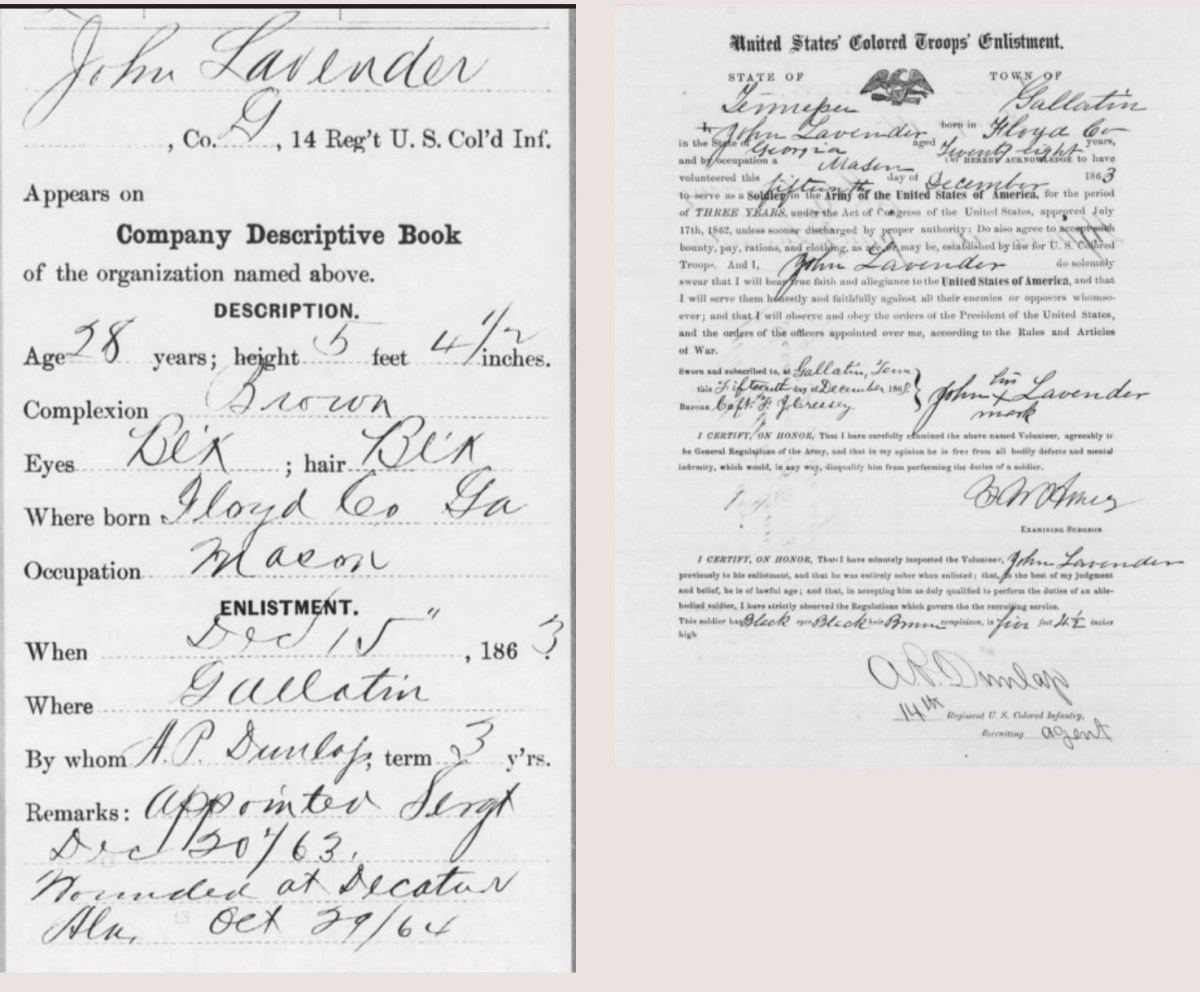
John Lavender Service Record, US Colored Troops, enlisted 15 Dec 1883. Blacksburg Resident after 1974.

Pension Applications of the Confederacy and US Military

Confederate Pension Acts for Virginia were enacted between 1888 and 1934. On 14 of March, 1924 the act centered on servants granted pensions. “The 1928 Act broadened recognized duties to include performance of guard duty, burring Confederate dead, working in railroad shops, blacksmith shops or hospitals” (Page 26).
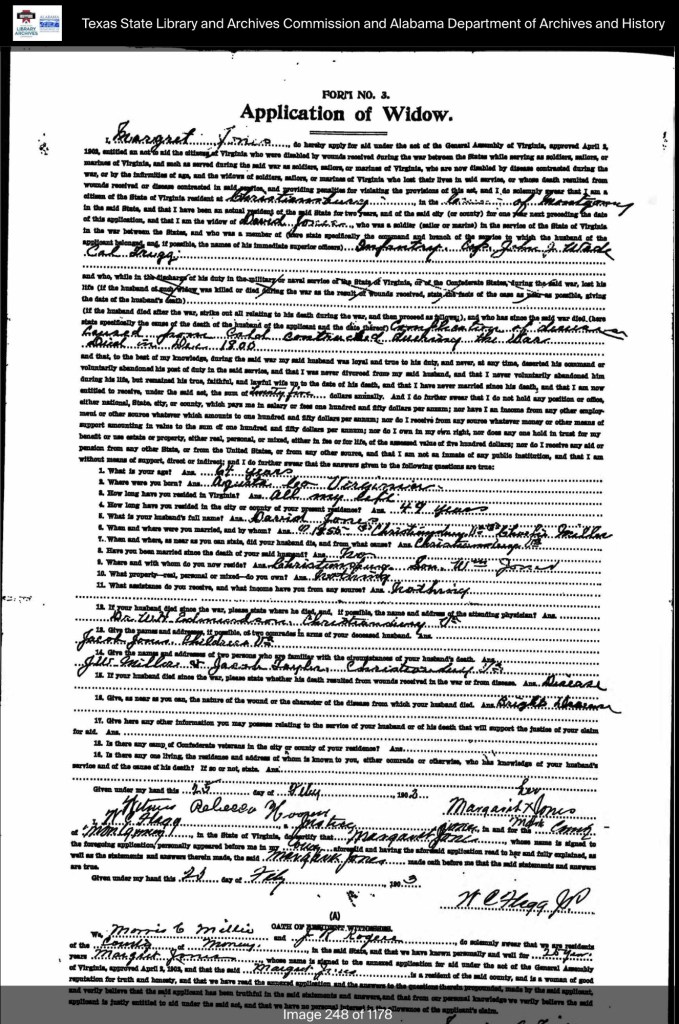
The pension records can be found at the Library of Virginia and on Ancestry.com (subscription required).

National Archive article on how to use the Pension Records, “Union Pension Files Giving Voice to Former Slaves”

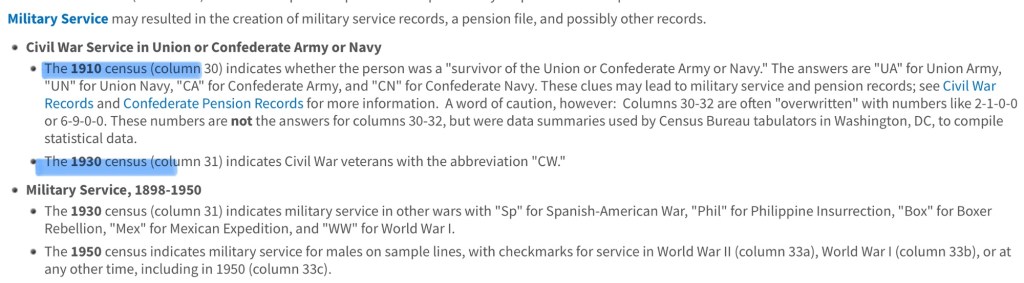
The 1910 (see image) and 1930 (CW) census indicates that the person was a veteran. The National Archives provides a helpful list of codes that were used.

Confederate Soldiers’ Home Application for Admissions Records

Found in the Library of Virginia digital collection or this link .


The American Civil War Museum

The archives of the museum maintain a large holding, some of which is digitized.

Confederate Certificate of Service – Freemen and Enslaved.

According to Eanes on page 113, the Army of the Confederate States adopted (1861) Form #4, the Certificate of Service. This was used for both free and unfree persons. Where these are located? We have not found an online source, yet.

Public laws of the Confederate States of America, first Congress, 1862-1864 / [edited by James M. Matthews].

Primary source of the Acts of the Confederate Congress, Public laws of the Confederate States of America, first Congress, 1862-1864 / [edited by James M. Matthews]
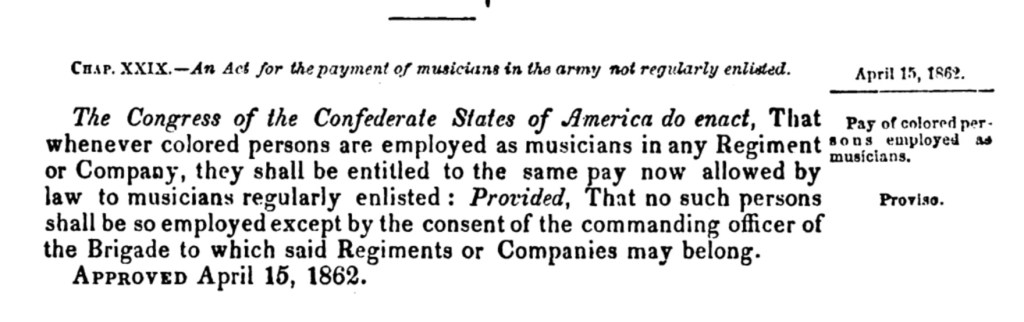
Chapter XXIX – An Act for the payment of musicians in the Army no regularly enlisted.” Page 29 (book, not pdf)
Chapter LXIV – An Act for the enlistment of Cooks in the Army”. Page 48 (book, not pdf)
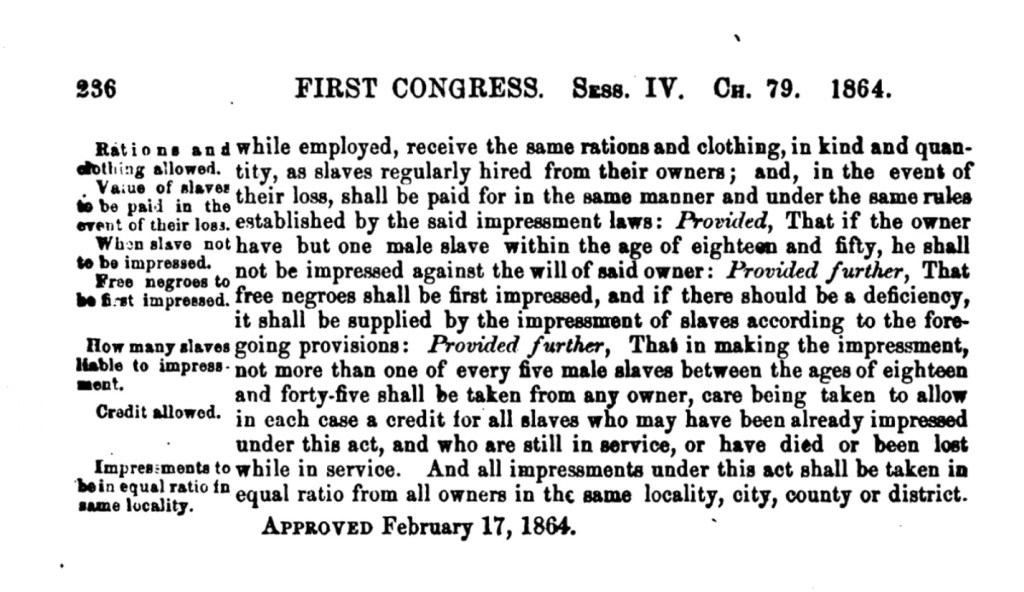
“Chapter LXXIX – An Act to increase the efficiency of the Army by employment of free negroes and slaves in certain capacities” Page 235-236 (book, not pdf)

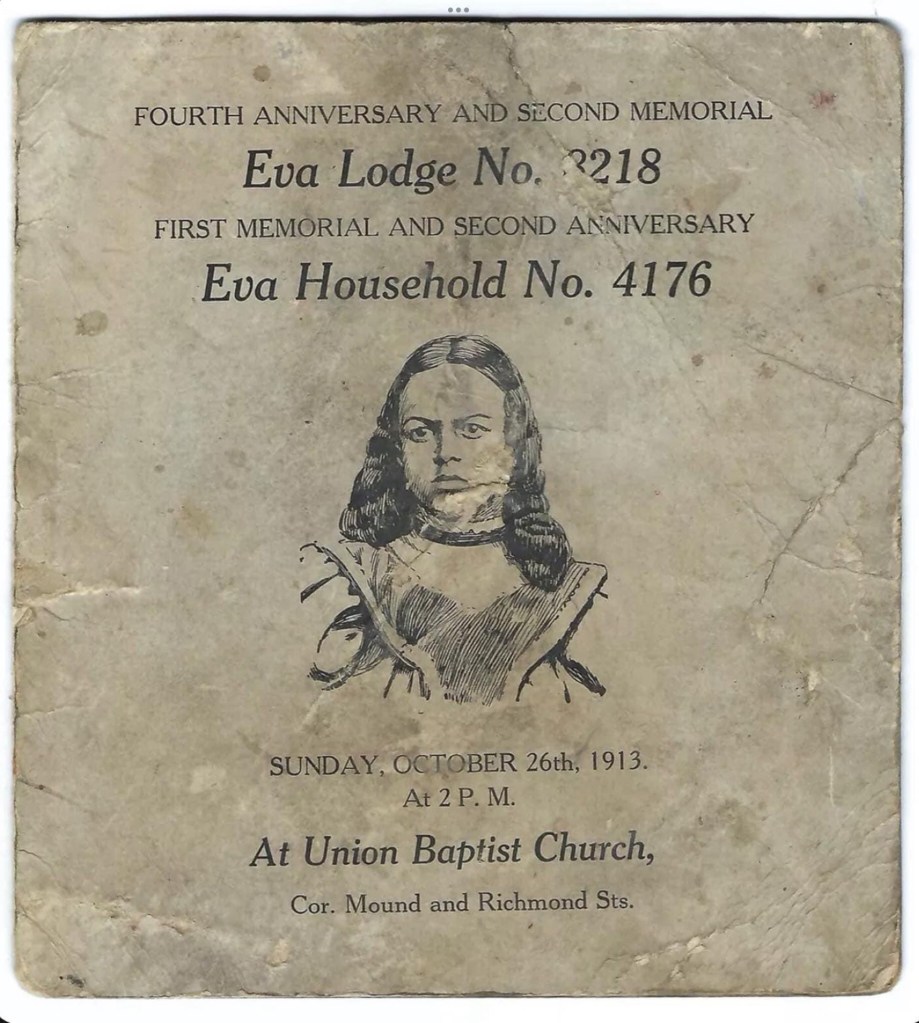
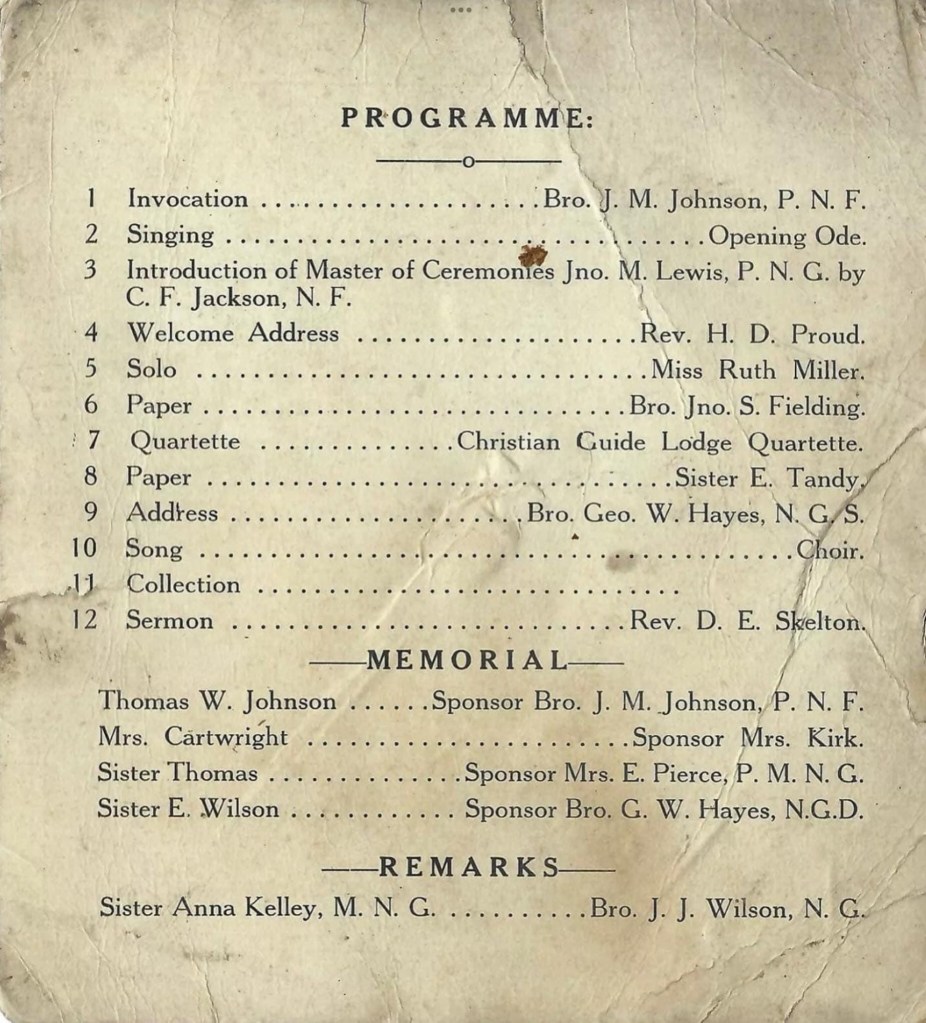
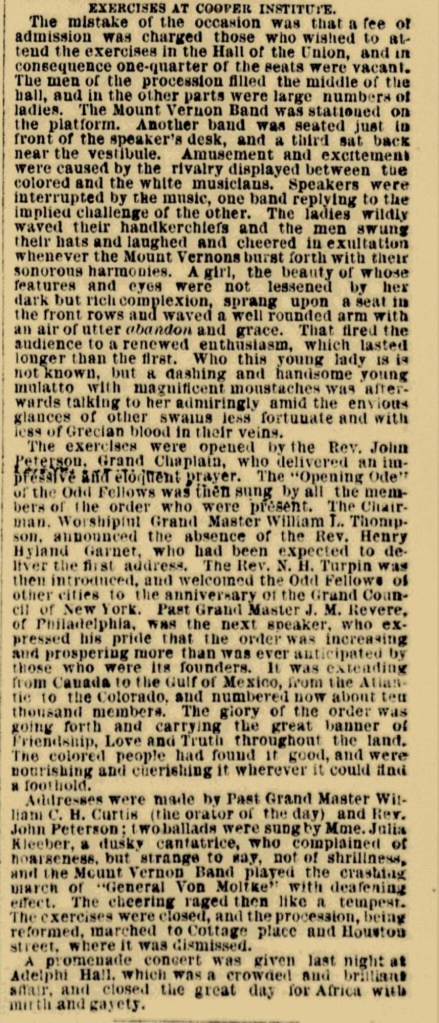
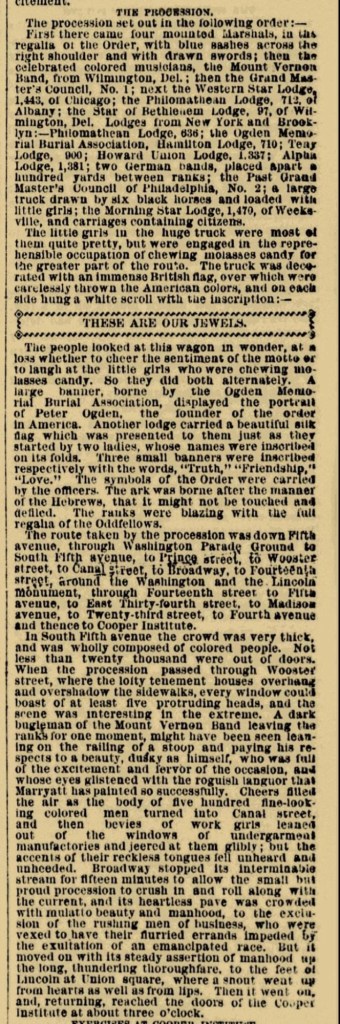
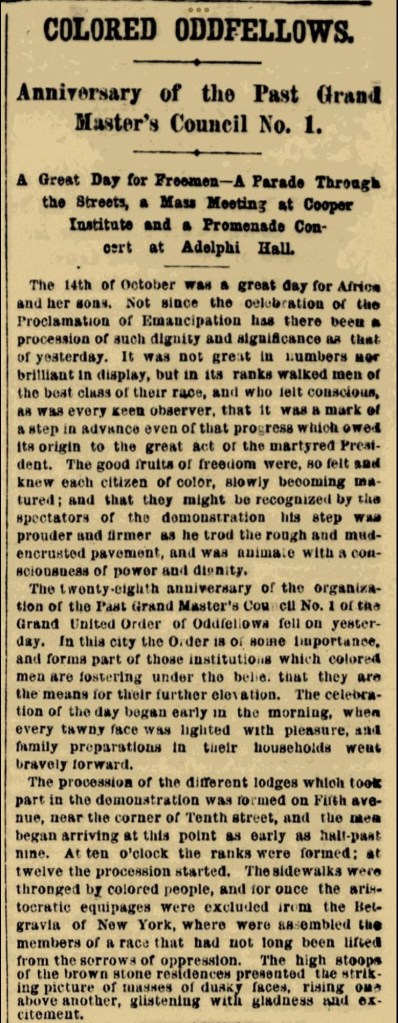
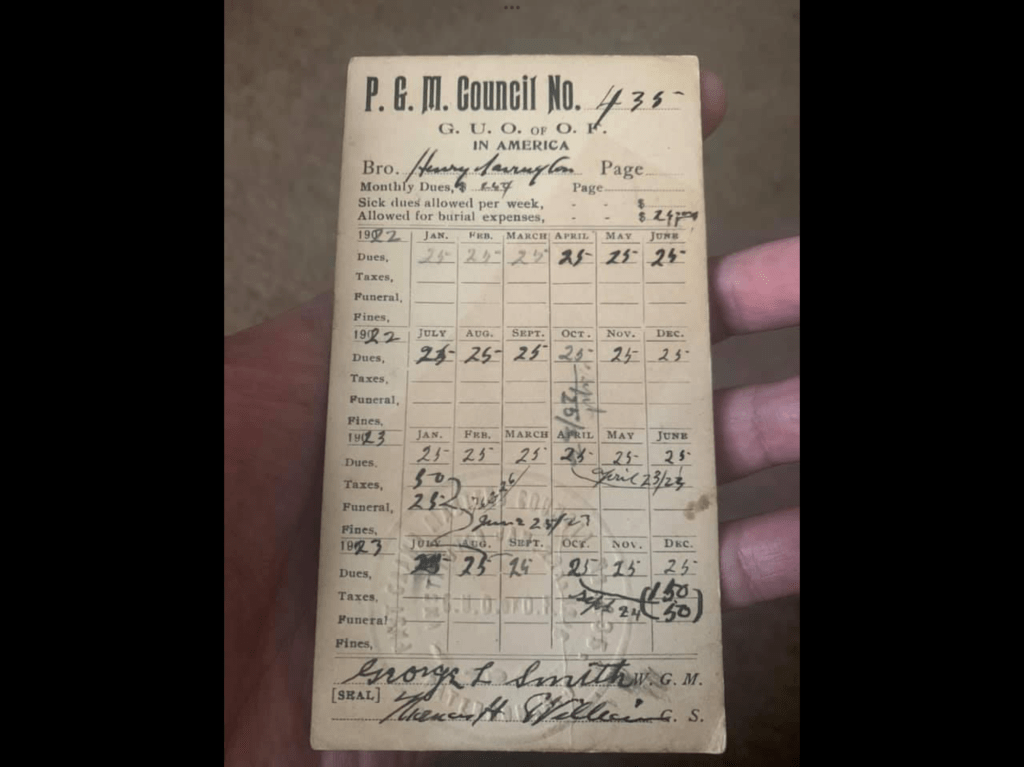
Grand United Order of Odd Fellows Images

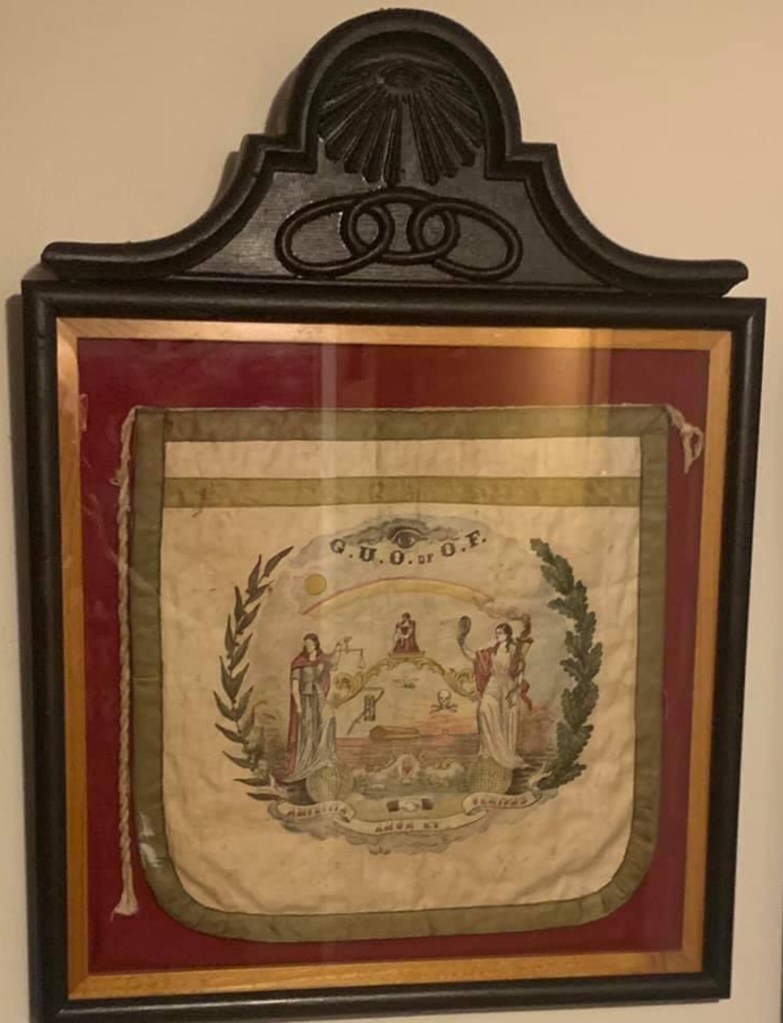
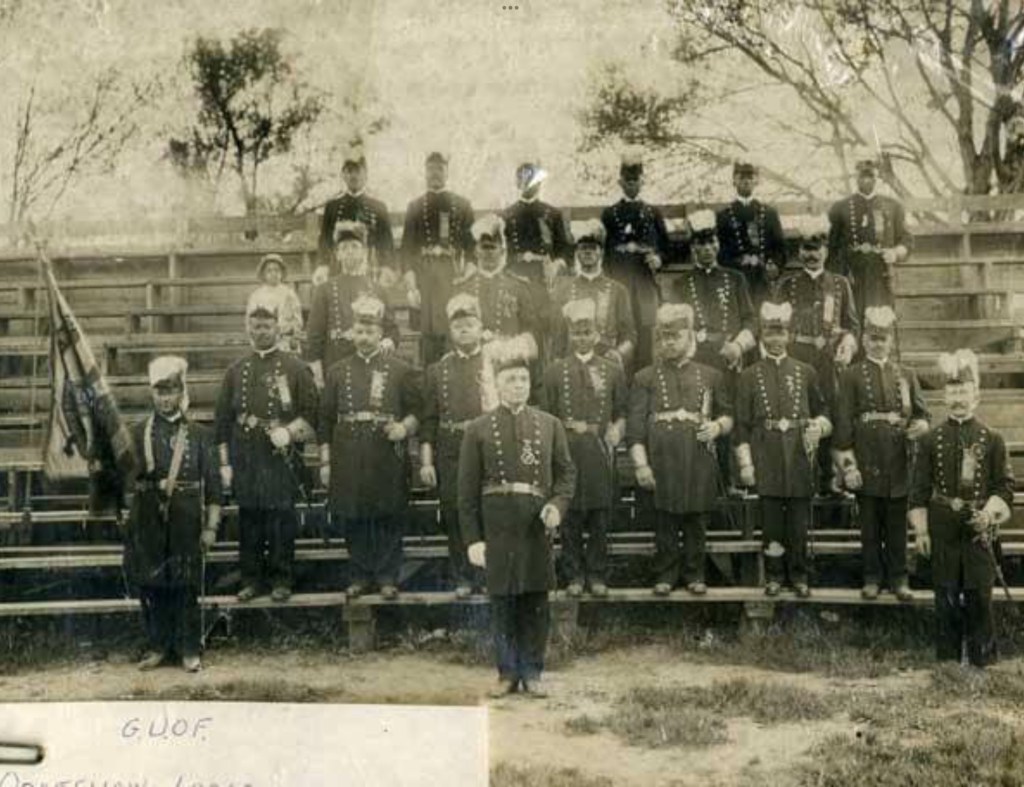
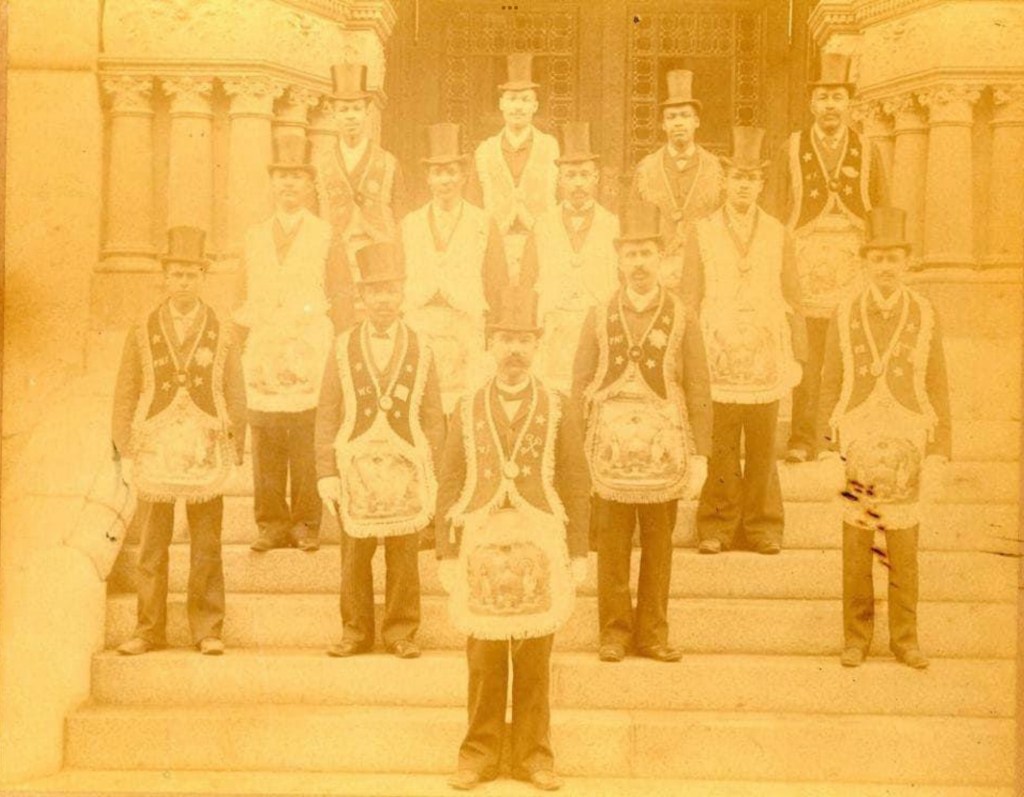
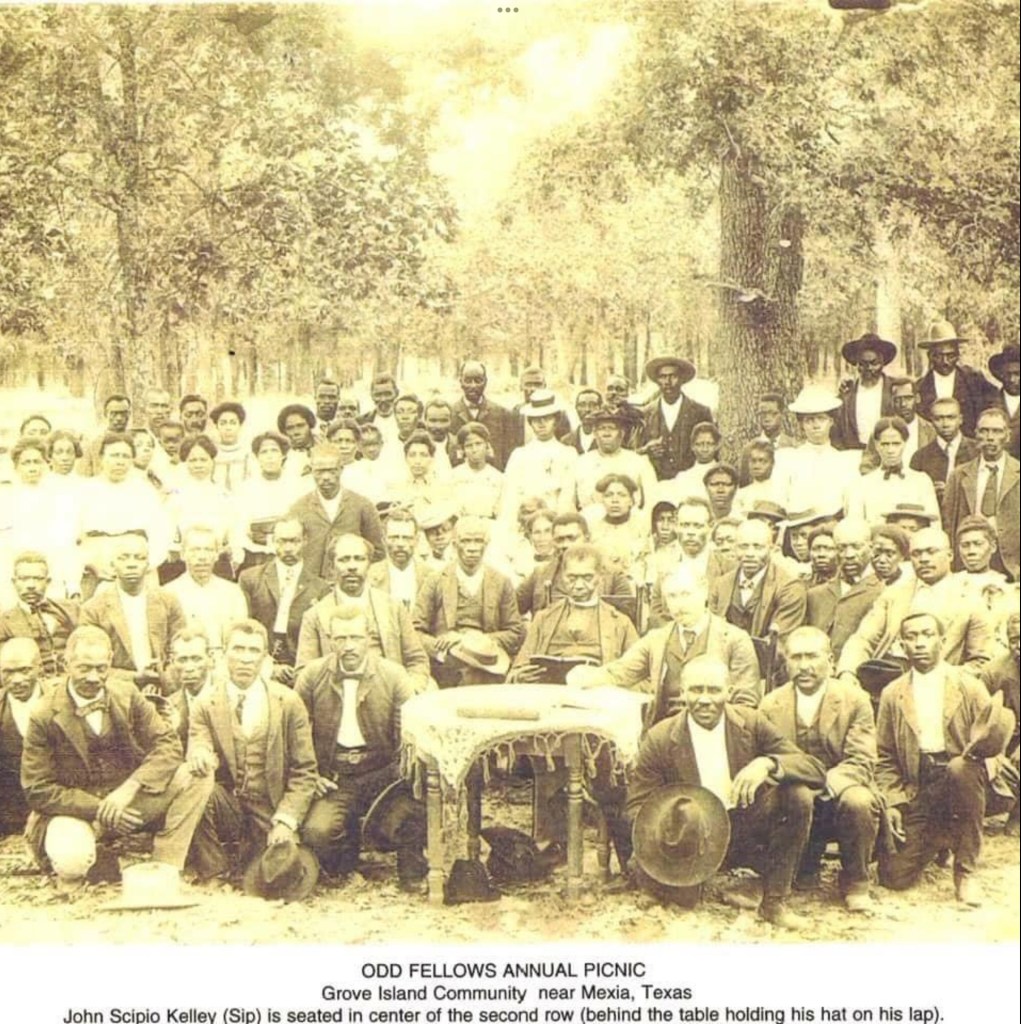
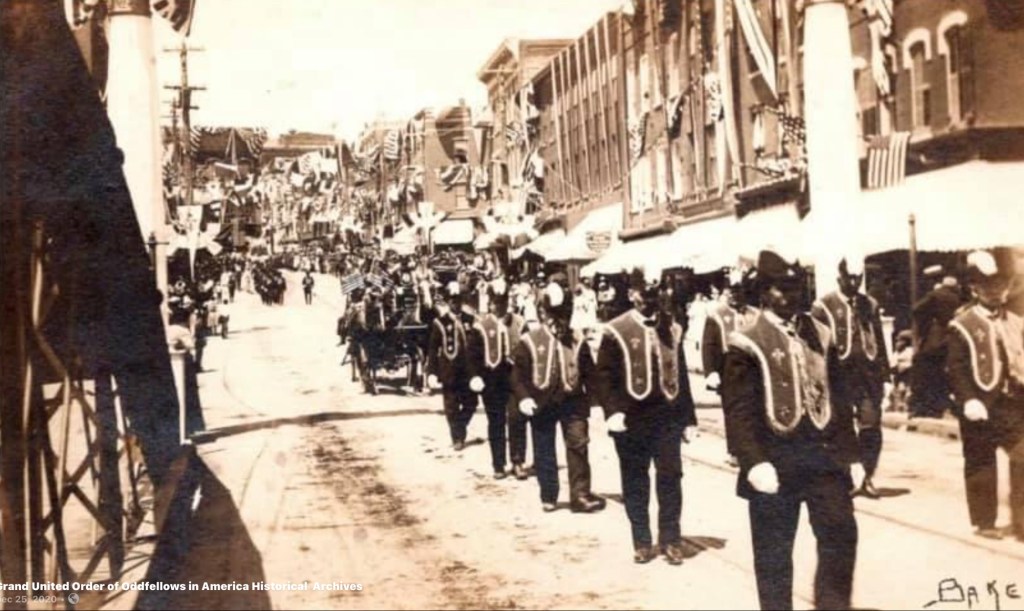
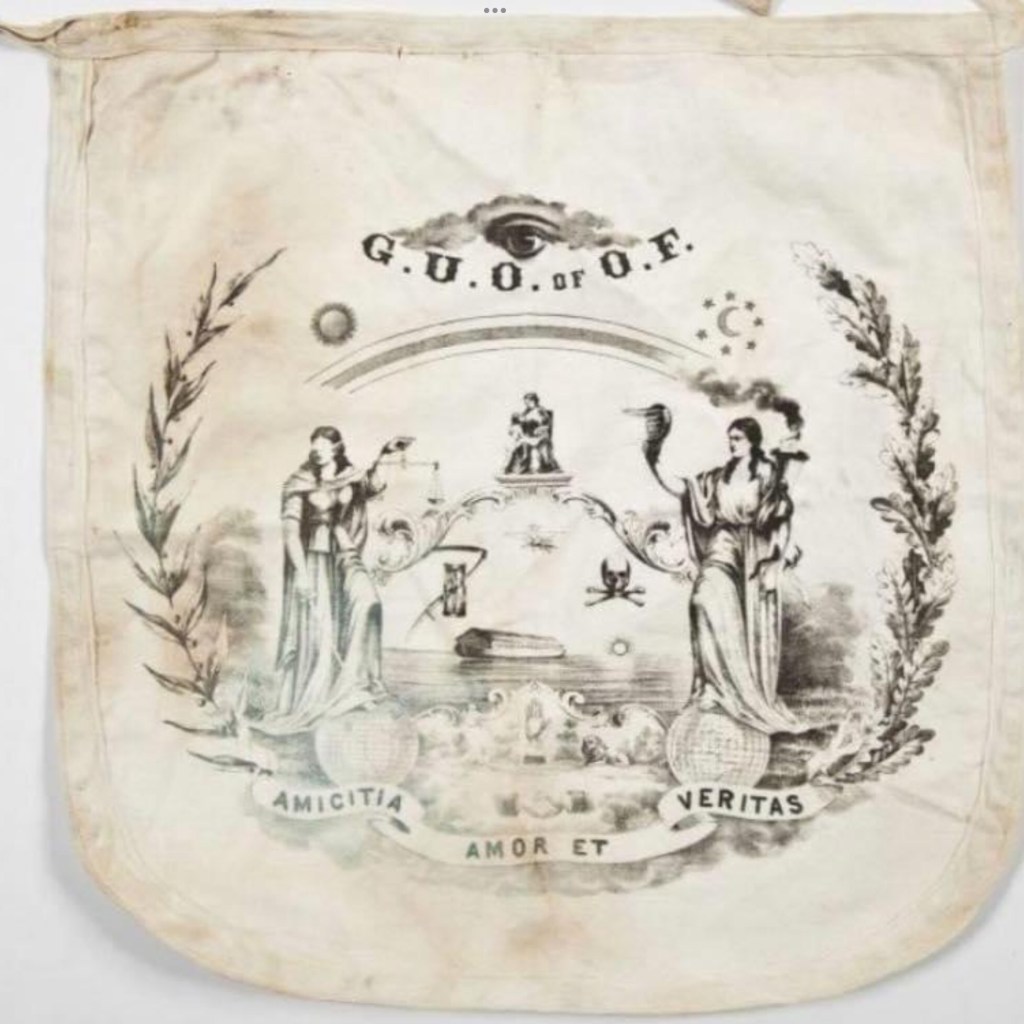
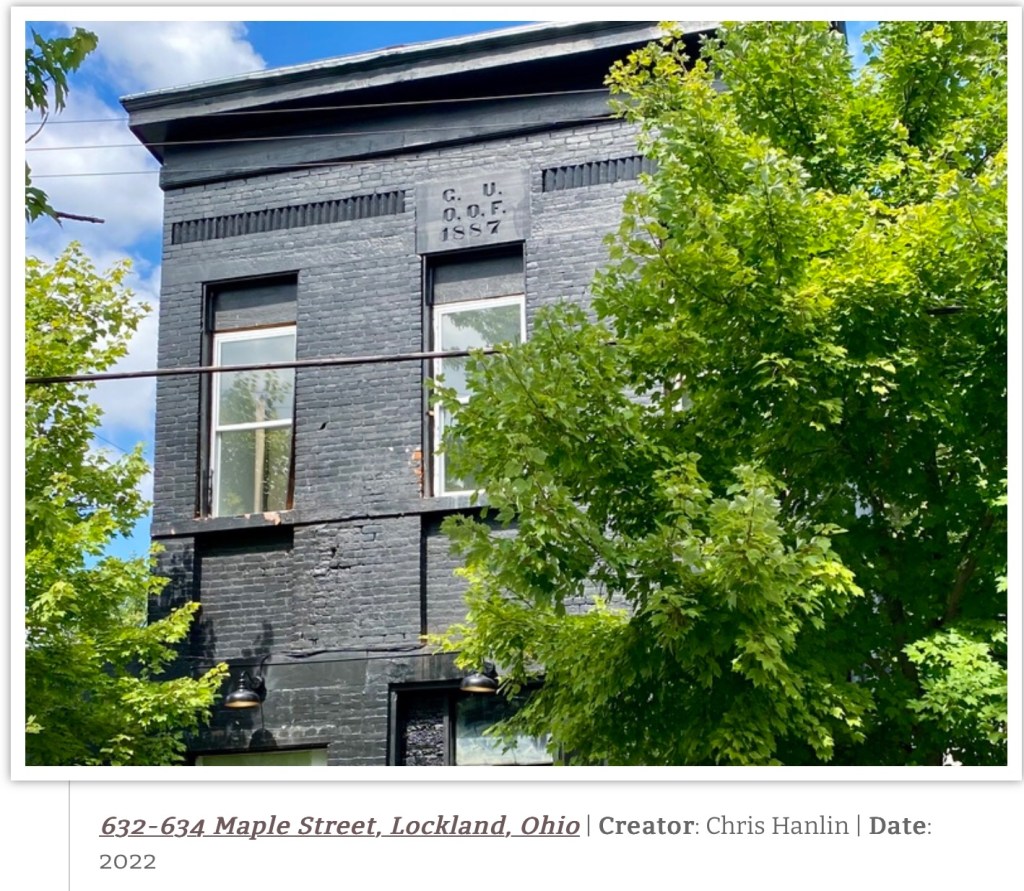
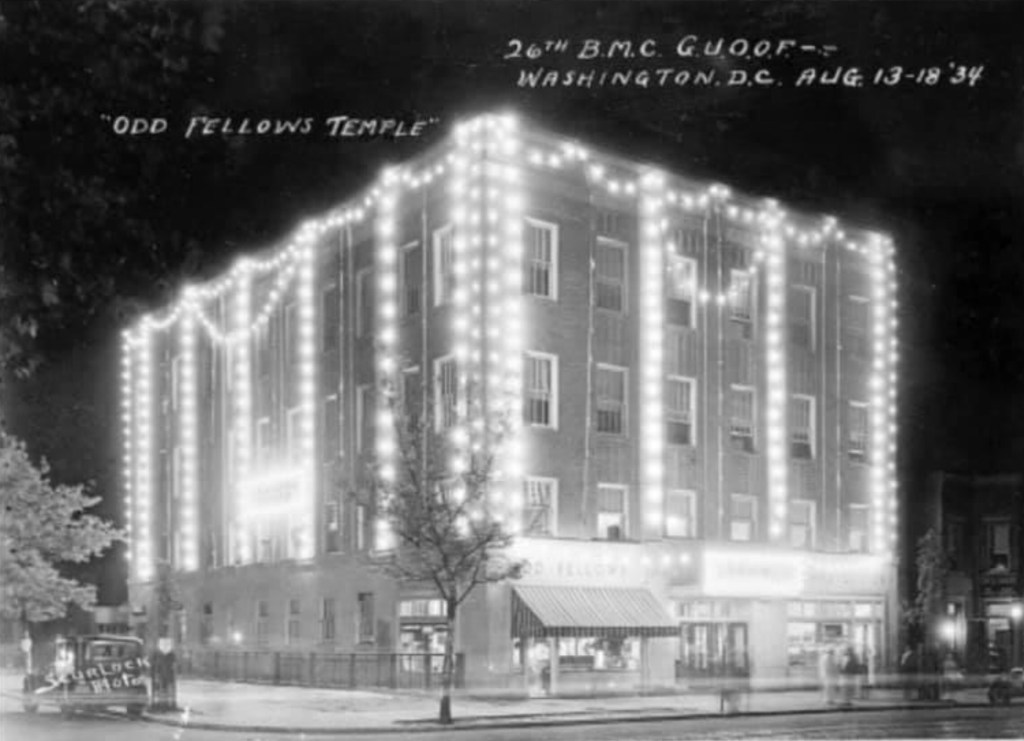
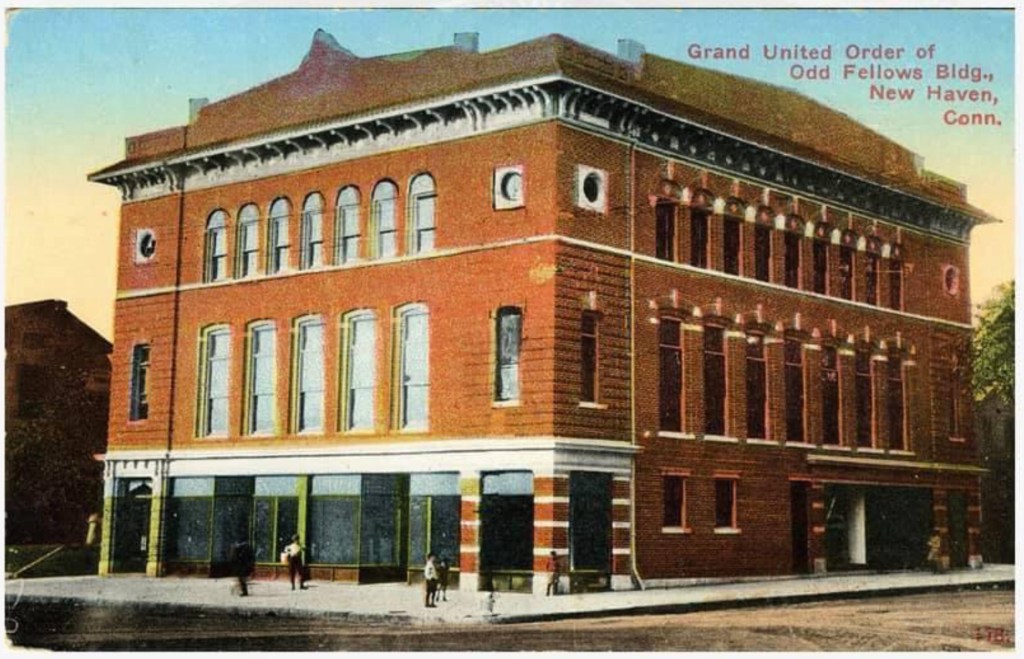
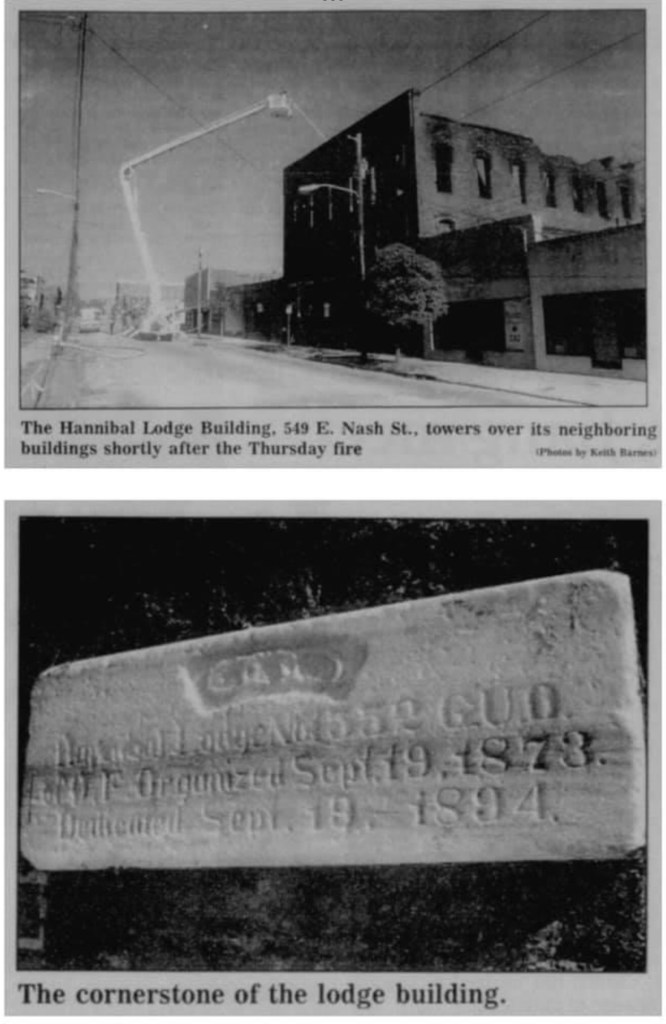
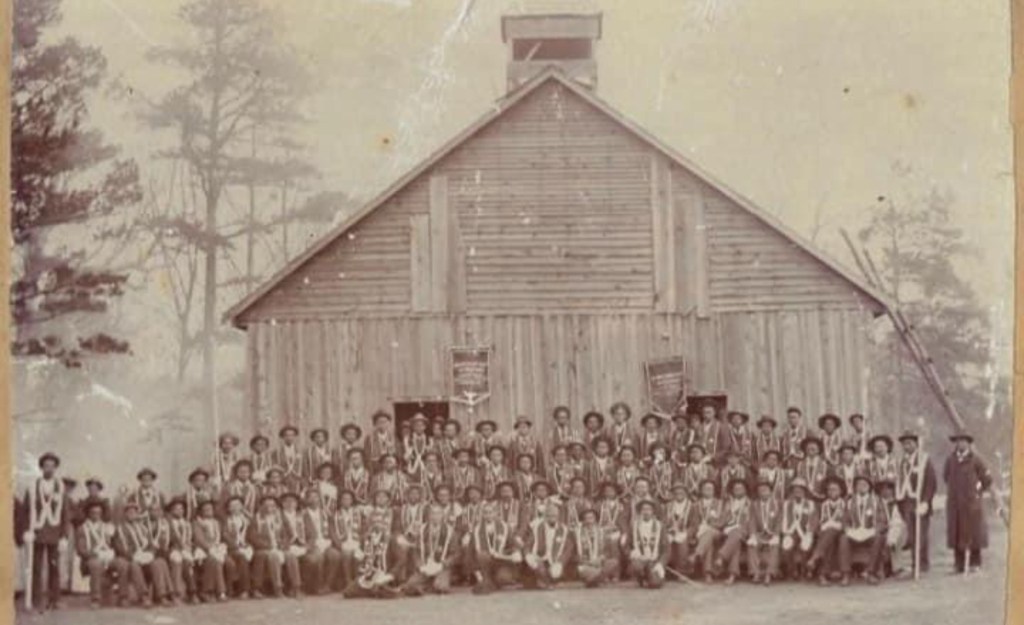
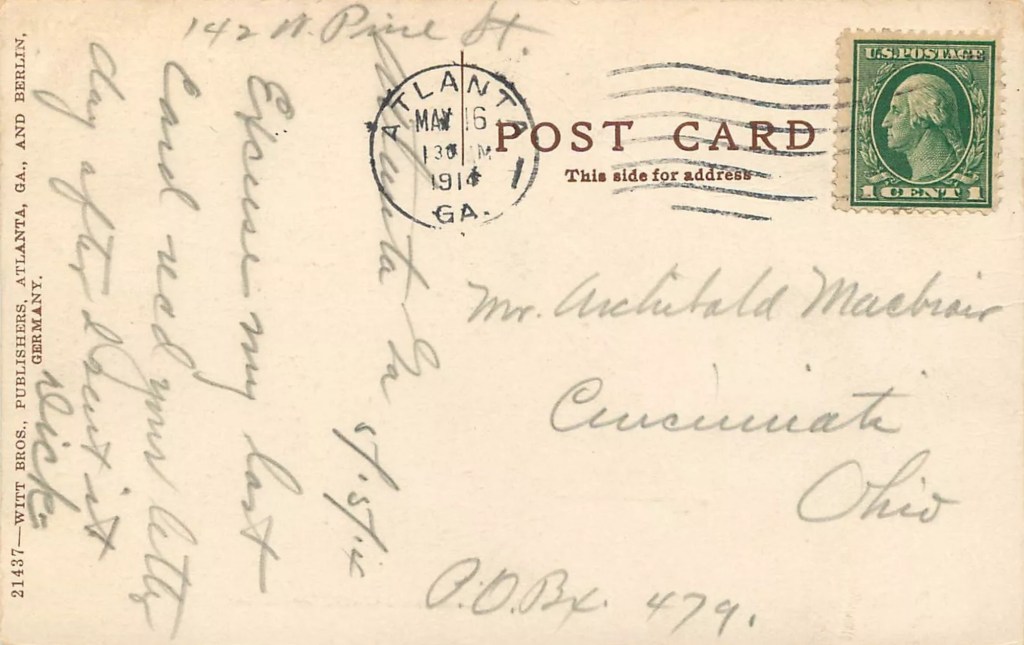
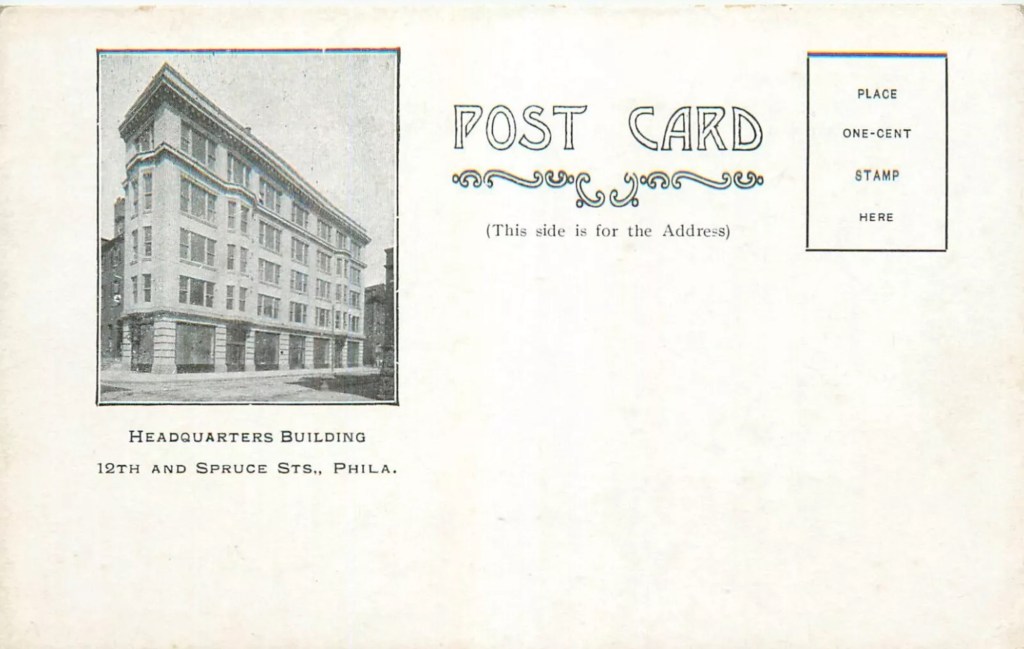
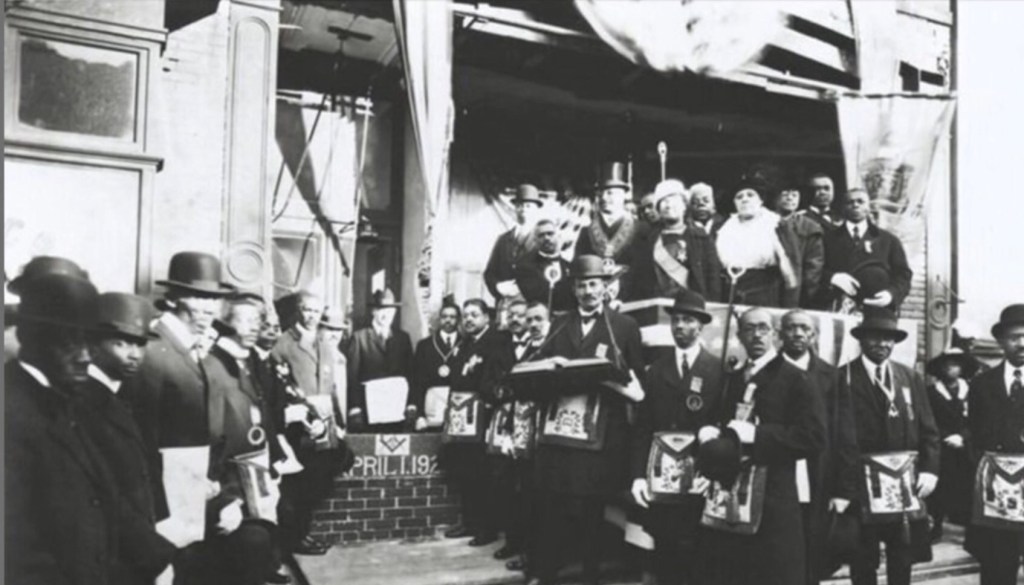
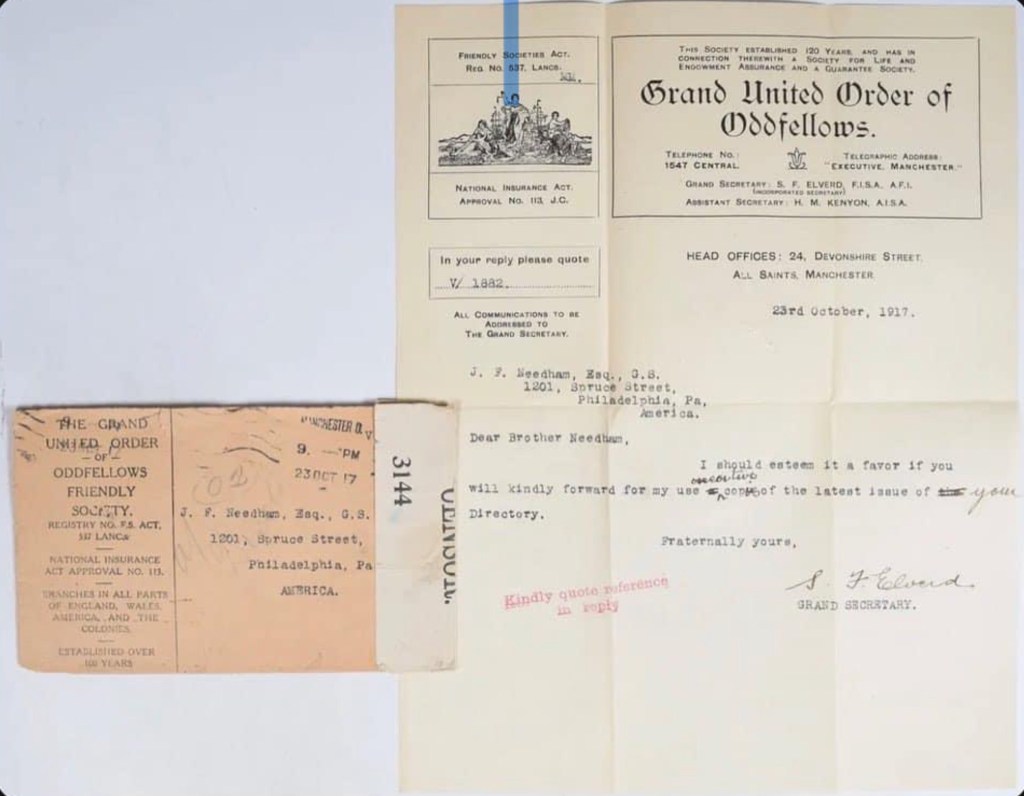
This webpage showcases a photo gallery of rare images featuring ceremonial regalia, equipment, documents, and leaders associated with the Grand United Order of Odd Fellows. While some images lack provenance, they offer valuable visual references for how members of the Blacksburg order may have appeared, especially since no living individuals can provide that information. (Many of these images were collected from eBay, Northern Star Lodge Facebook (No 715 NS) and other places.

Ceremonial Regalia and Equipment

Buildings

Innovative Preservation of GUOOF Sandy Spring Lodge No 6430, Sandy Springs, Maryland

Sandy Spring Lodge, No 6430

Sandy Spring, MD – The Grand United Order of Odd Fellows Lodge No. 6430 has undergone a stunning renovation. Their mission-driven use of the building serves as an inspiring model that could be replicated in Blacksburg. The restoration of the building involved the Advisory Council of Preservation. Check out their Facebook page

Documents

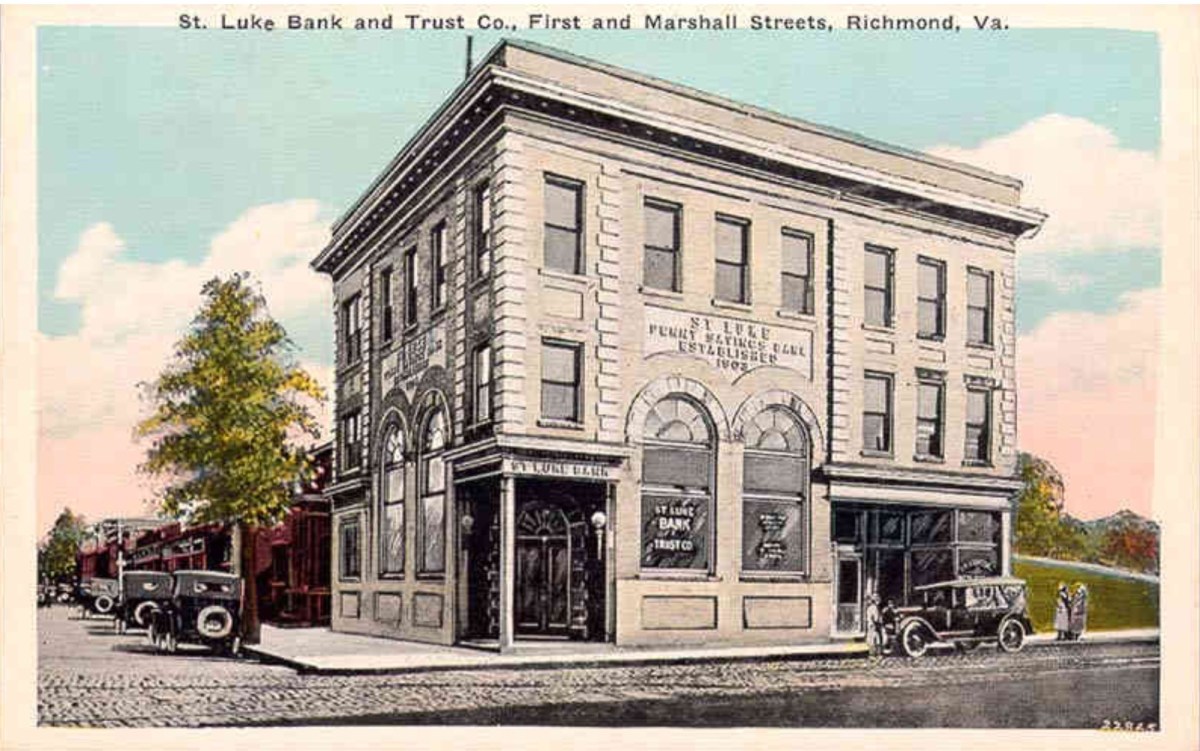
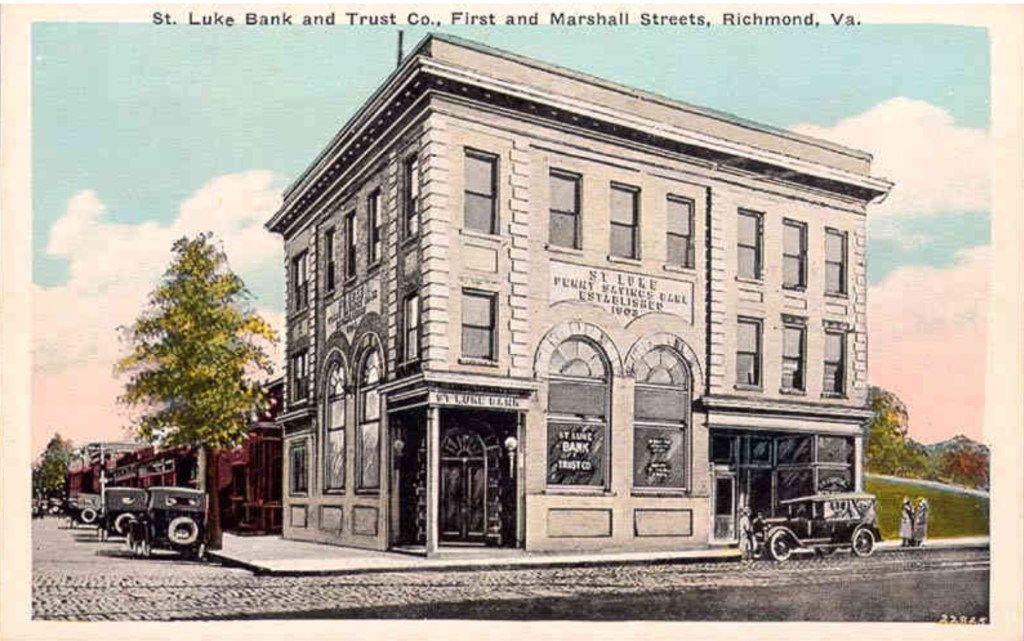
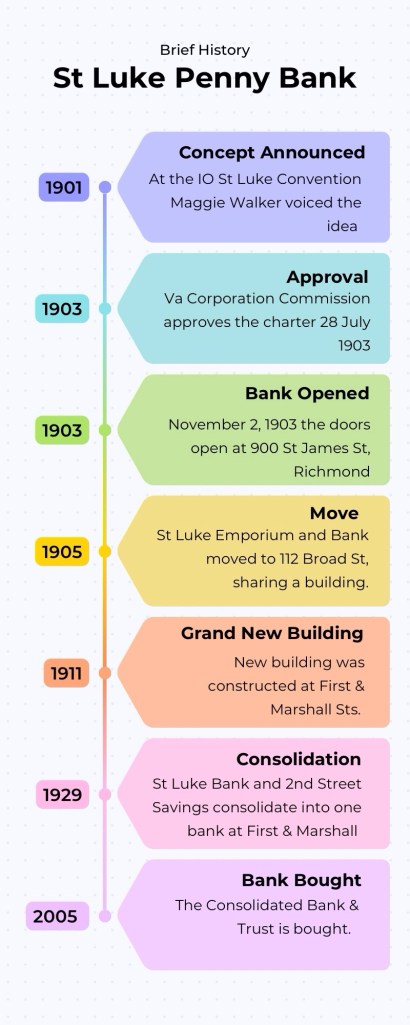
St Luke Bank and Trust Company, Richmond, VA

Who in Blacksburg was traveling by train to and from Richmond, carrying the financial transactions and funds collected by St. Frances Council No. 235.

Resources half million dollars. Depository for Gas and Water Accounts and Taxes of the City of Richmond. Mrs. Maggie L. Walker, Pres.; J. Thomas Newin, Z.D. Lewis, S.W. Robinson, Jr., and P.H. Ford, Vice-Presidents; Emmett C. Burke, Cashier; Melvin D. Walker, Asst. Cashier.
(Courtesy of William Shuman Collection of Richmond, Virginia Postcards, Accession Number 2004-09-12, Special Collections and Archives, James Branch Cabell Library, Virginia Commonwealth University.)

Mrs. Maggie Lena Walker was the first African American woman to serve as a bank president in the United States. The Maggie L. Walker National Historic Site in Richmond honors her remarkable life, legacy, and significant contributions to African American history, with her influence extending even to Blacksburg, Virginia.

St Luke Penny Savings Bank

Much has been documented about the creation and impact of the Penny Bank in Richmond. What remains to be uncovered is who in Blacksburg was traveling by train to and from Richmond, carrying the financial transactions and funds collected by St. Frances Council No. 235, established by Mrs Maggie Lena Walker, 4 August 1902.

Resources

Maggie L. Walker National Historic Site

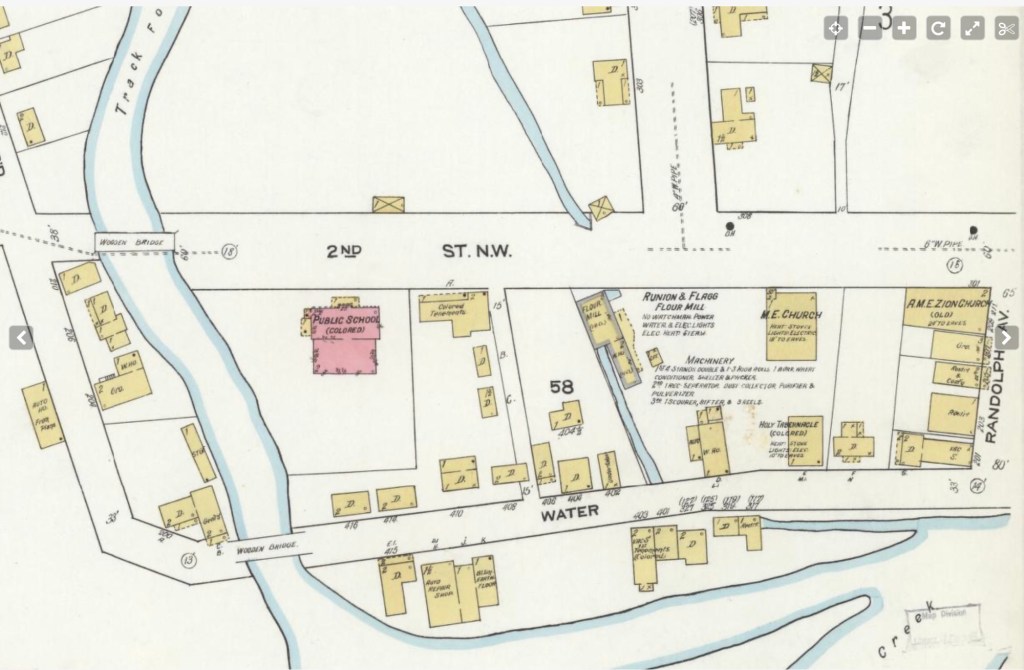
On the Hunt for the Grant United Order of Odd Fellows Lodge in Pulaski County

The Lone Light #3026 Lodge existed in 1888 as noted in the book and the stamp. Where was it? Perhaps you know? Photograph?

1920 Sanborn Fire Map of Pulaski City (Radford) VA (Courtesy of the Library of Congress)

The lodge is listed in the Official History and Manual of the Grand United Order of Odd Fellows in … by Charles H. Brooks on page 192.

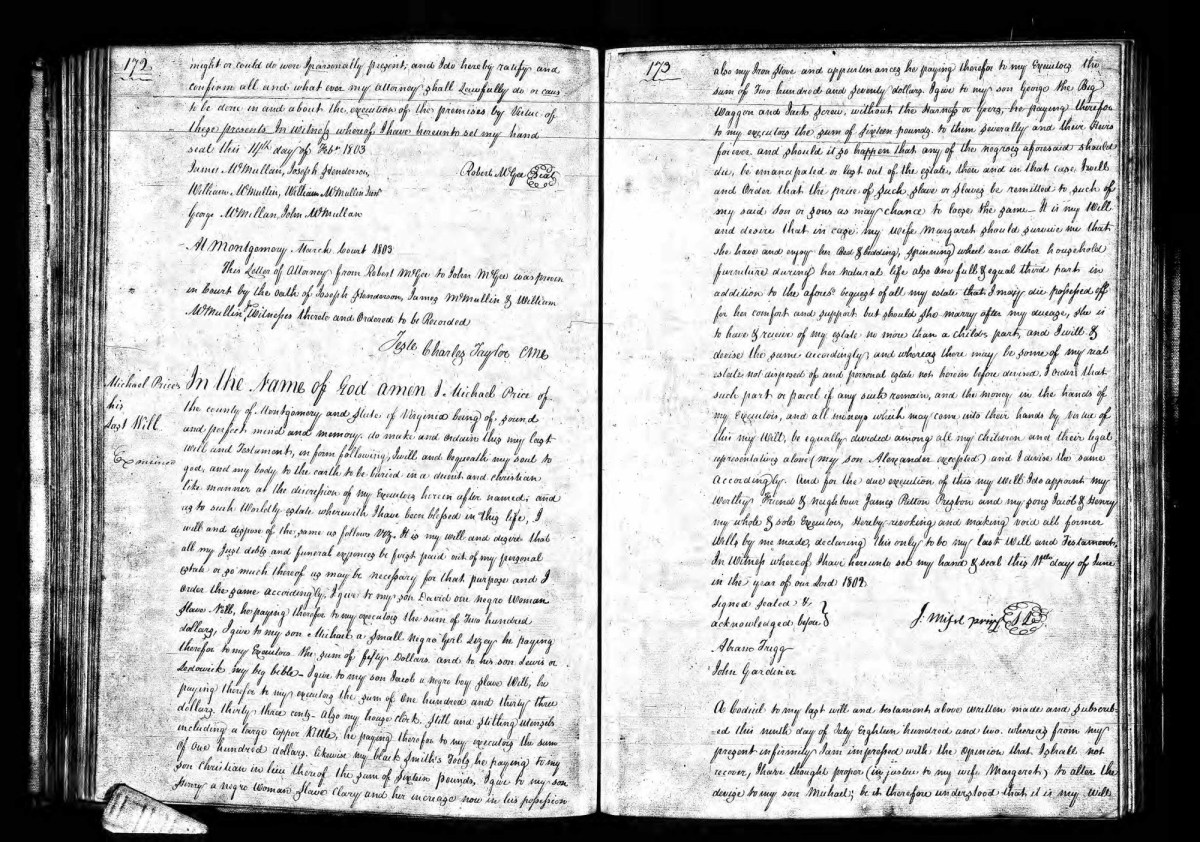
Enslaved People Named in Wills: Enslaved by Michael Price (1718-1802, father) and Michael Price (1748-1839, son)

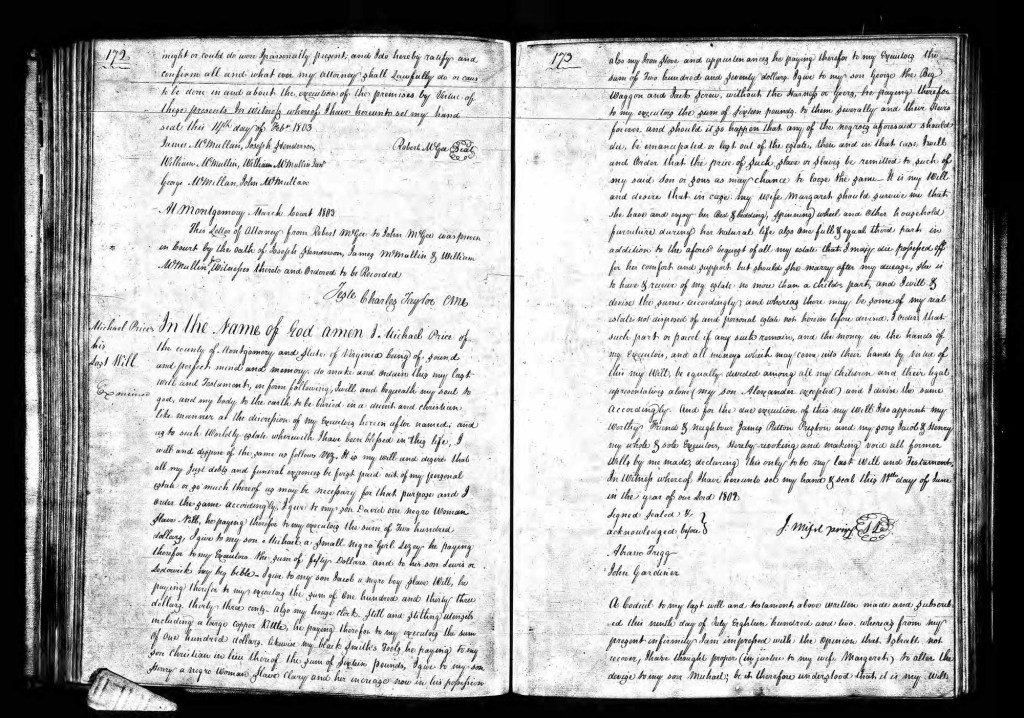
Michael Price (1718-1802) Will

Michael Price wrote his will on 11 June 1802, witnesses by Abram Trigg and John Gardiner. James Patton Preston and his sons, Jacob and Henry Price were his executors. The will was proved on 09 July 1802. According to the 1788 Tax list, Michale was taxed for two enslaved people.

Summary

  • Son David inherited an enslaved woman named Nall for $200.
  • Son Michael inherited a small girl, Lizey for $50
  • Son Jacob inherited Will, paying $133
  • Perry inherited Clary with her “increase.”

Michael Price (1748-1839) Will

Michael Price wrote his will on 12 March 1835. witnessed by Jacob Shell, Jacob Harless, and Samuel Smith. The executors were Alexander Price (son), David Keister, Phillip Harless, and Peter Keister, proved on 12 March 1839. According to the 1788 Tax list, Michale held no enslaved people.

Summary

  • Wife, Esther Francisco Price inherited Liz and her two children, Maria and Ben. Upon Esther’s death she may “dispose” of Maria and/or Ben, but Liz was to be retained by the family. Liz was given the choice of which child she would become property.
  • Son Alexander inherited David and Sam.

Livey was alive in 1802 and was passed to Michael Price’s son, also named Michael. When Michael Price died in 1839, a woman named Liv and her two children, Maria and Ben, were mentioned in his estate. After his death, Liv was inherited by Esther Francisco Price, who was living with her son, Alexander Price.

Further research is needed to trace the lives of those held in bondage by the early Price family.

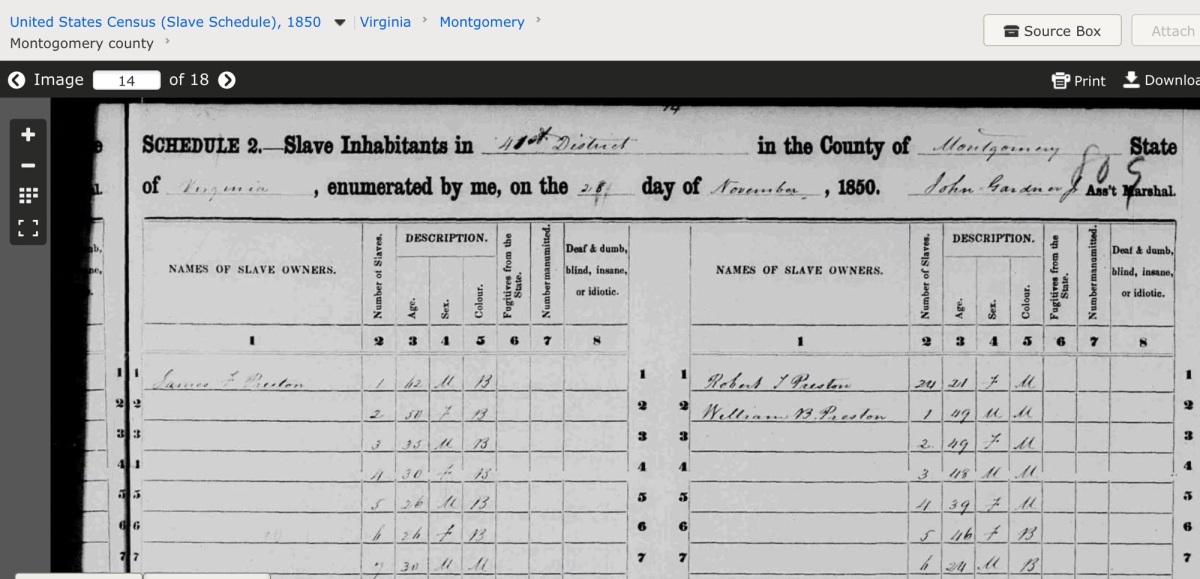
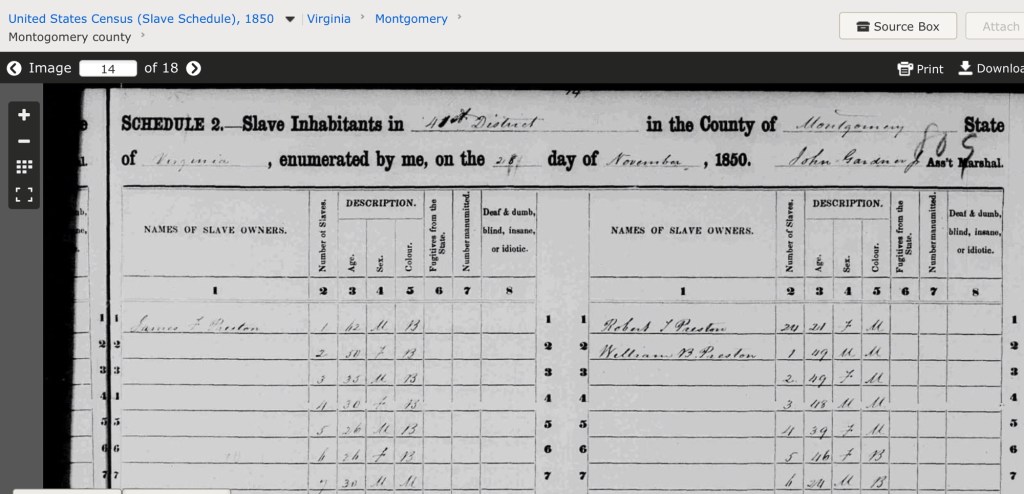
1850 US Federal Census, Slave Schedule for Montgomery County, VA

Family Search version is free but have to create an account:

https://www.familysearch.org/search/collection/1420440

If you’re searching for a specific enslaved individual, please note that their names are generally not listed, except in rare instances. To browse the records, enter the names Preston, Hoge, or Wade (all enslavers), and then navigate through the document.

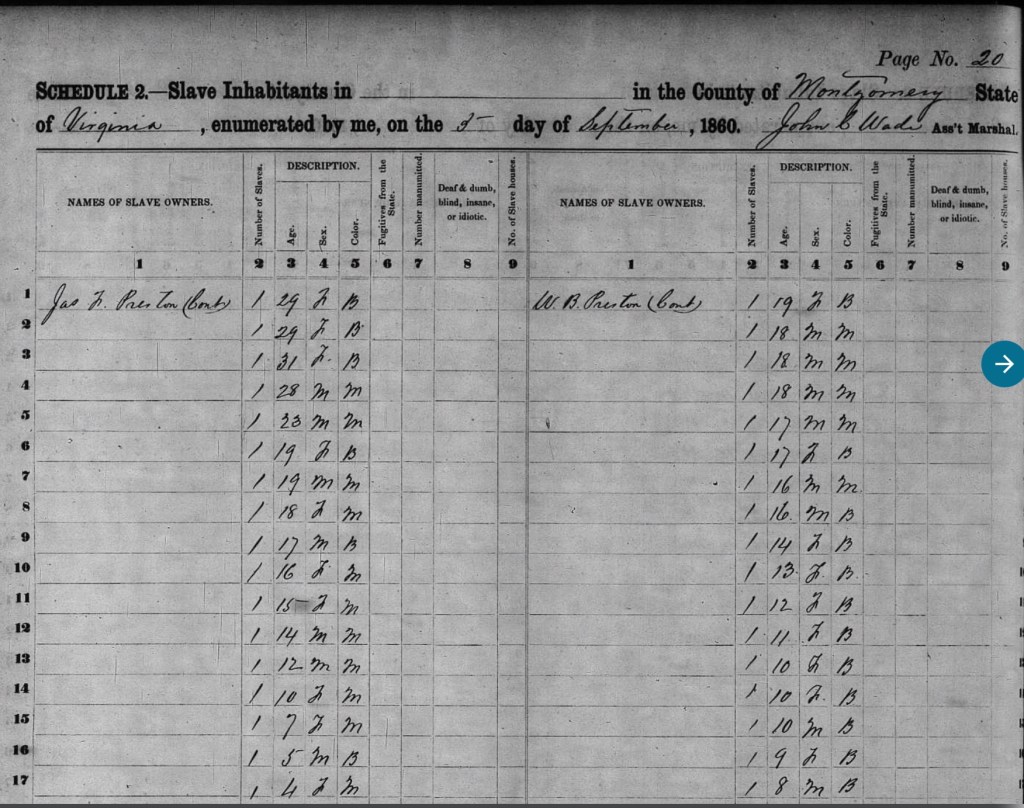
1860 US Federal Census, Slave Schedule for Montgomery County, VA

Ancestry.com Access A subscription is needed

Family Search version is free but have to create an account: https://www.familysearch.org/search/collection/3161105

If you’re searching for a specific enslaved individual, please note that their names are generally not listed, except in rare instances. To browse the records, enter the names Preston, Hoge, or Wade (all enslavers), and then navigate through the document.

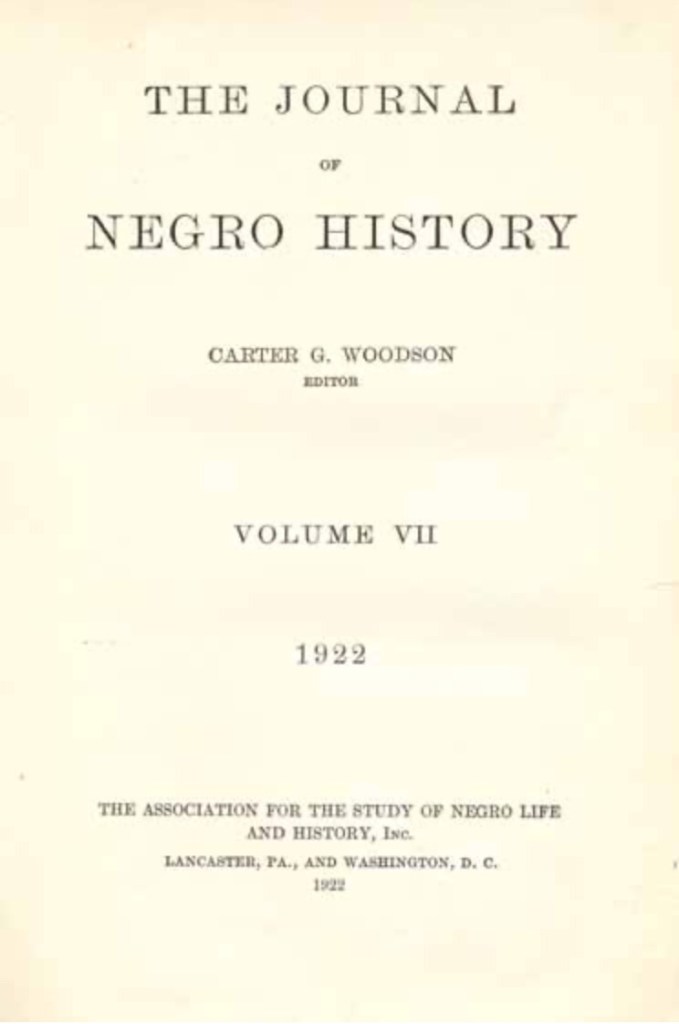
Primary Source Series: The First Negro Churches in the District of Columbia, 1922

https://docsouth.unc.edu/church/cromwell/cromwell.html

The First Negro Churches in the District of Columbia, John W. Cromwell, 64-106 p., Lancaster, Pa.; Washington, D. C.
The Association for the Study of Negro Life and History, Inc., 1917
From the Journal of Negro History 7, no.1 (January 1922), 64-106.
Call number E185 .J86 v. 7 1922 (Davis Library, University of North Carolina at Chapel Hill)

Many names associated with Montgomery County, Virginia: Anderson, Bell, Green, Hunter, Johnson, Muse, Saunders, Stewart, Taylor, Walker

Odd Fellows as well as the history of the establishment of churches in the District of Columbia.

District Of Columbia Resources

https://matthewbgilmore.wordpress.com/2017/09/11/online-washington-dc-history-resources-city-directories-online/

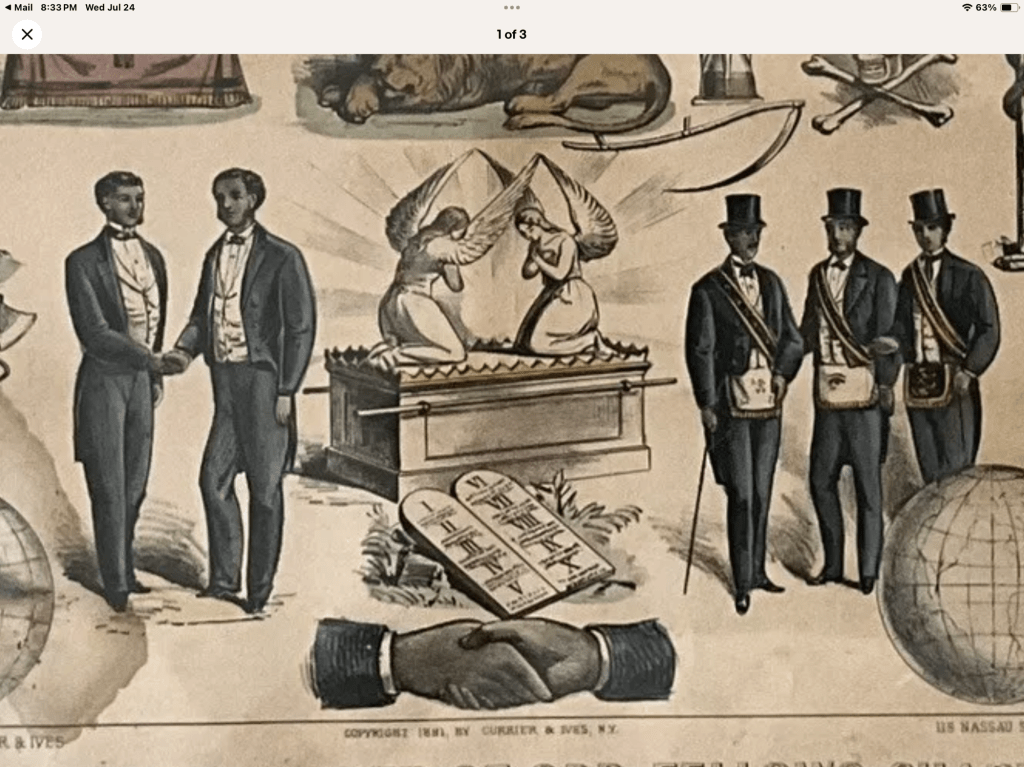
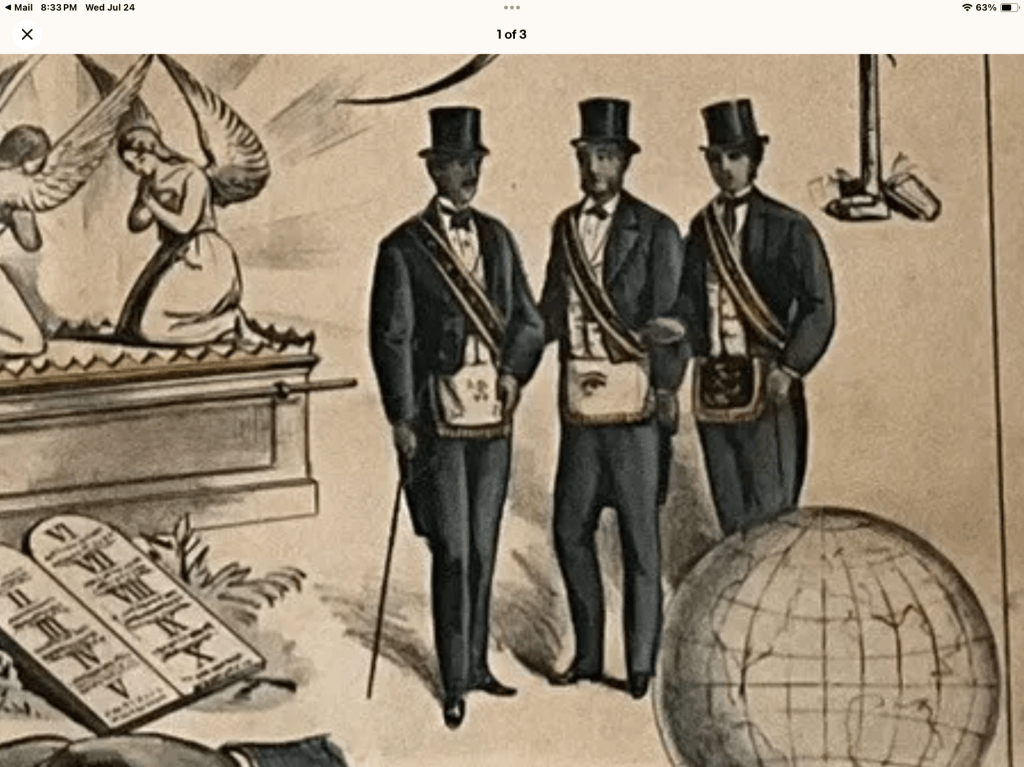
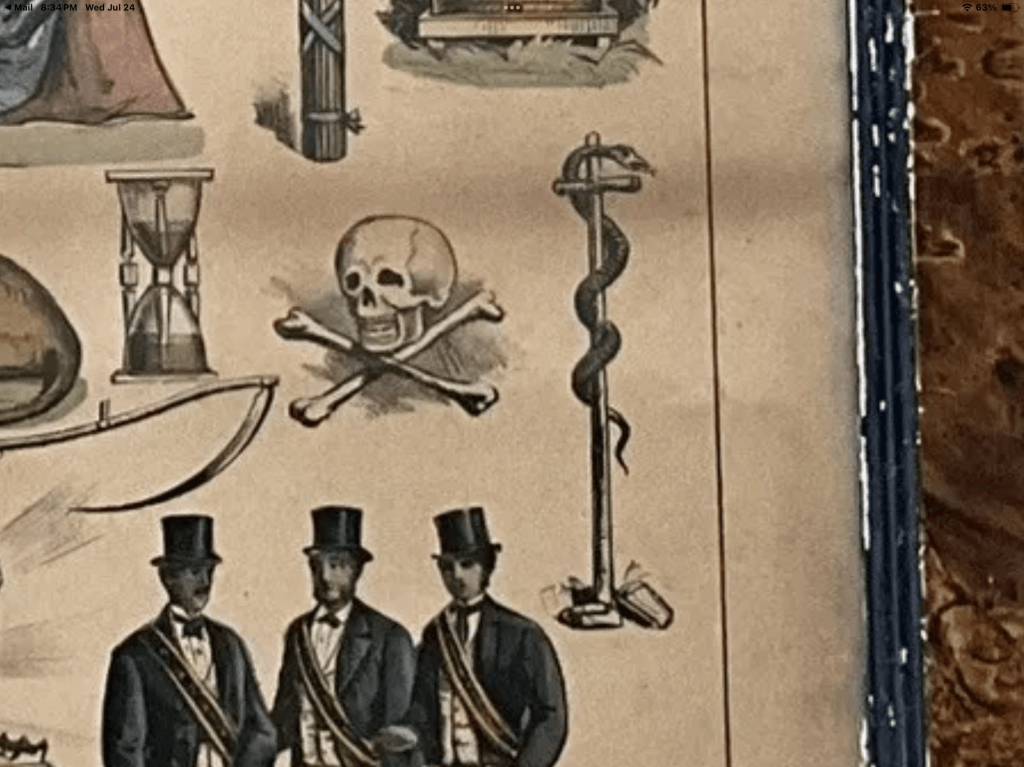
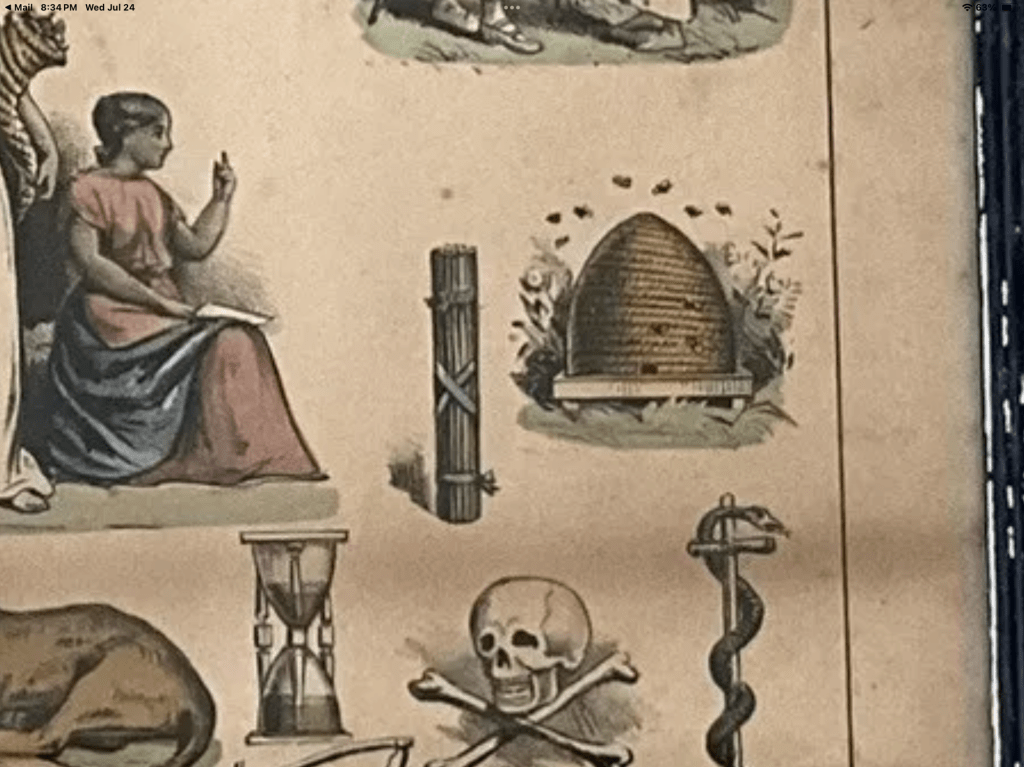
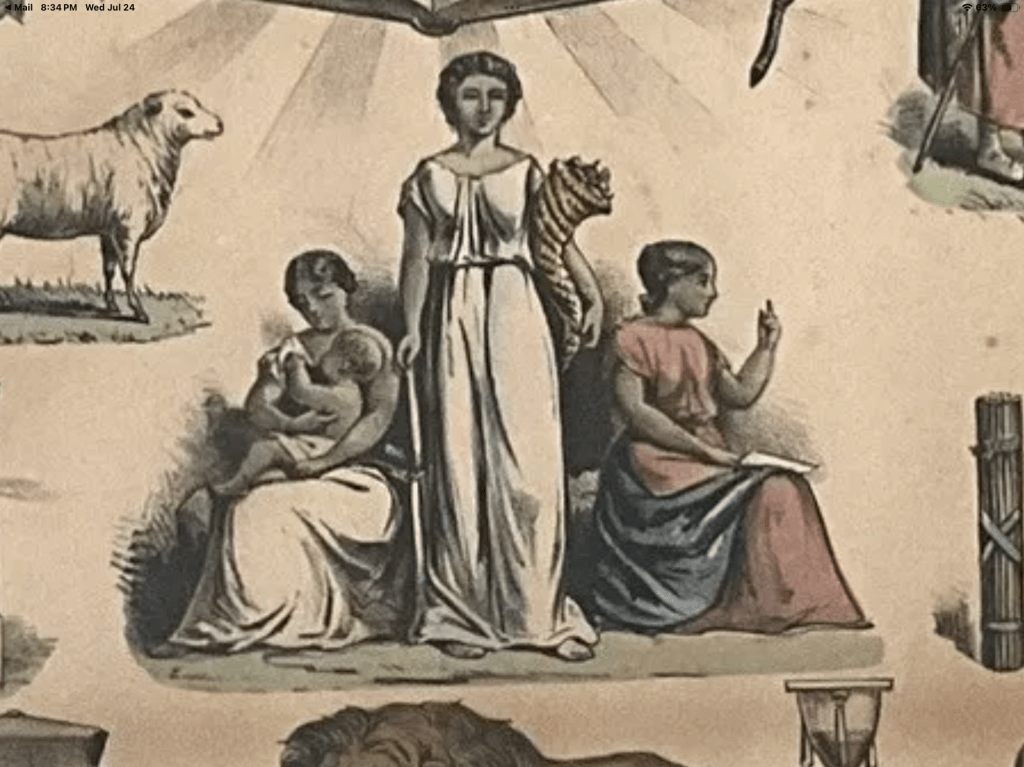
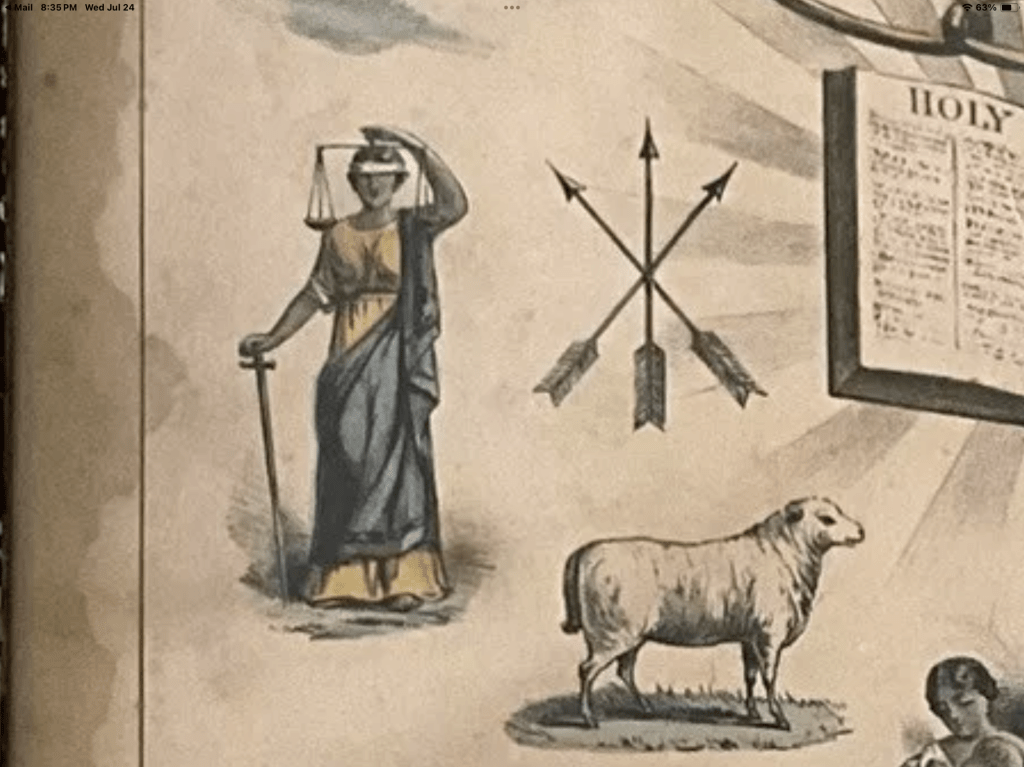
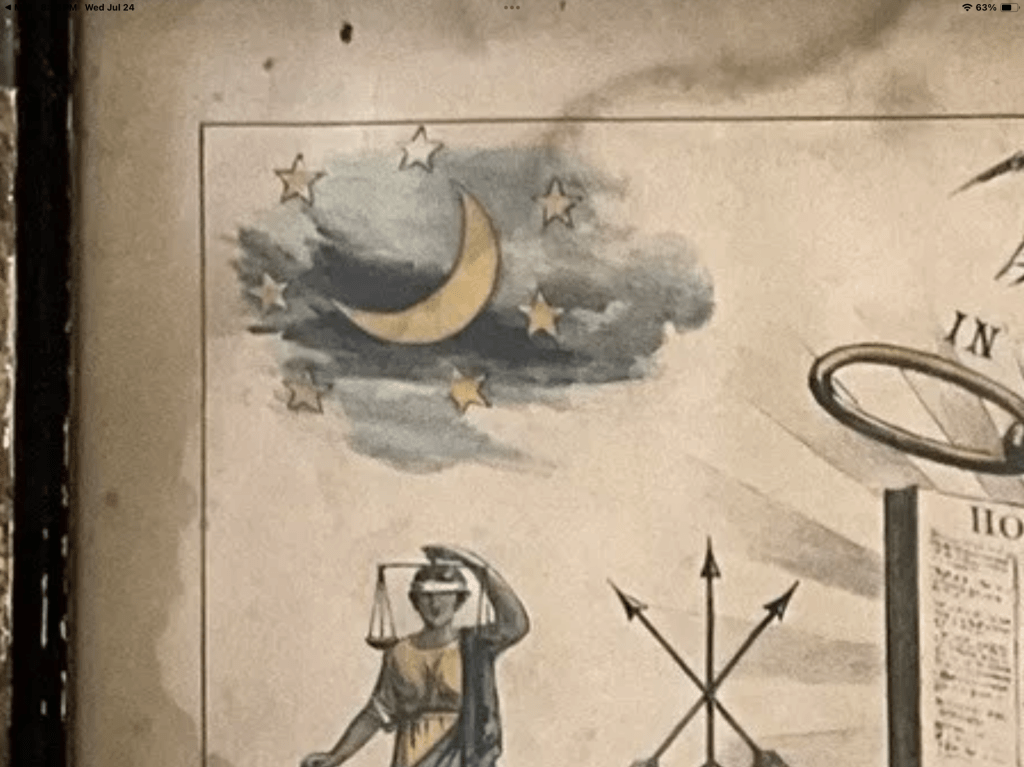
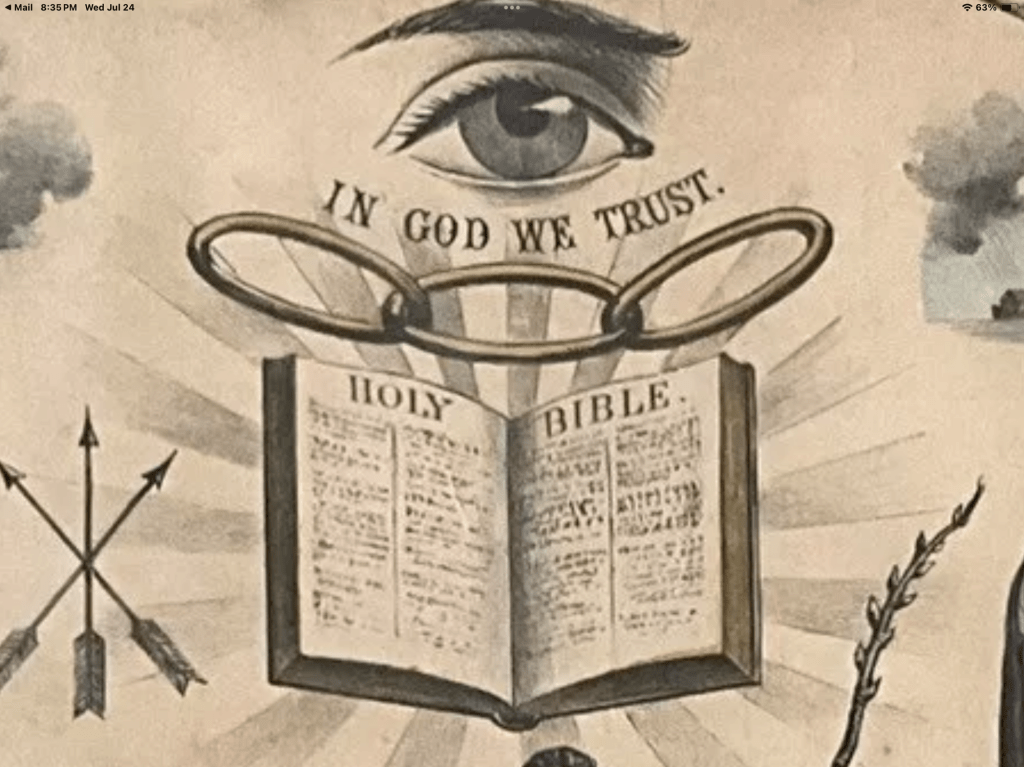
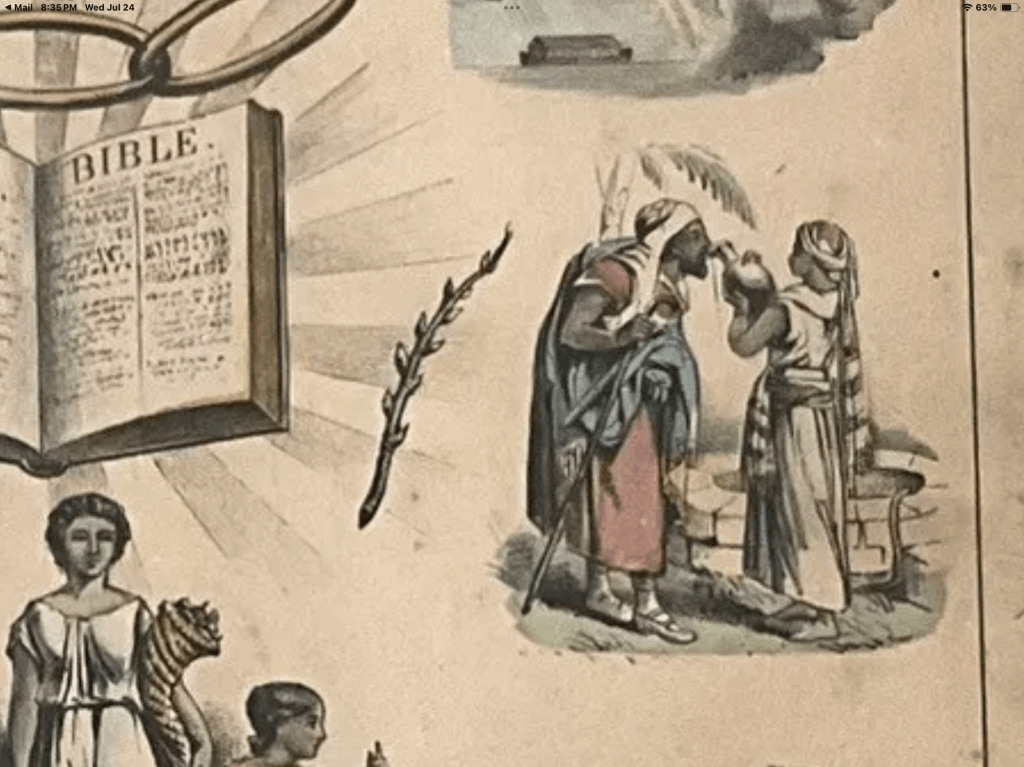
Grand United Order of Odd Fellows and Currier & Ives Print

Symbols hold significant importance for members of the Grand United Order of Odd Fellows (GUOOF).

By the early 1900s, the Grand United Order of Odd Fellows had gained significant popularity, with both men and women joining its secret societies. This benevolent group was established in Blacksburg, Christiansburg and Pulaski, Virginia to improve their communities by providing charitable support to orphans, the sick, and the poor.

Symbols hold significant importance in education and as visual reminders for members of the Grand United Order of Odd Fellows (GUOOF) for several reasons:

  1. Simplification of Complex Ideas: Symbols distill complex concepts into simple, recognizable forms, making it easier to convey teachings and principles.
  2. Memory Aids: They serve as mnemonic devices, helping members remember key teachings, values, and rituals.
  3. Engagement: Visual representations engage members more deeply than text alone, fostering better understanding and retention.
  4. Communication: Symbols transcend language barriers, enabling diverse groups to share common understandings and values.
  5. Constant Presence: They act as continual, visual reminders of the GUOOF’s values and principles, reinforcing them in daily life.
  6. Identity and Unity: Symbols create a sense of belonging and unity among members by providing a shared set of images and meanings.
  7. Moral Guidance: They encapsulate moral and ethical lessons, guiding members in their conduct and decision-making.
  8. Tradition and Continuity: Symbols connect current members to the historical roots and traditions of the GUOOF, promoting continuity and respect for the organization’s heritage.

This Currier & Ives of New York 1881 print illustrate the common symbols which the order’s members would recognize and hold dear.

Series: At Work – Tending to the Dead

Collection of Morticians, Undertakers, Funeral Home Directors in Southwest Virginia

Collection of Morticians, Undertakers, Funeral Home Directors in Southwest Virginia

C.C. Williams, Mortician and Ambulance Service, Roanoke Virignia
CC Williams, Mortician & Ambulance Service in Roanoke (The Church News, 1 Feb 1934, pg 4)
R.W. Clark Citizen’s Undertaking Establishment, Roanoke, VA (The Church News, 1 Feb 1934, pg 4)