The Merry Tree

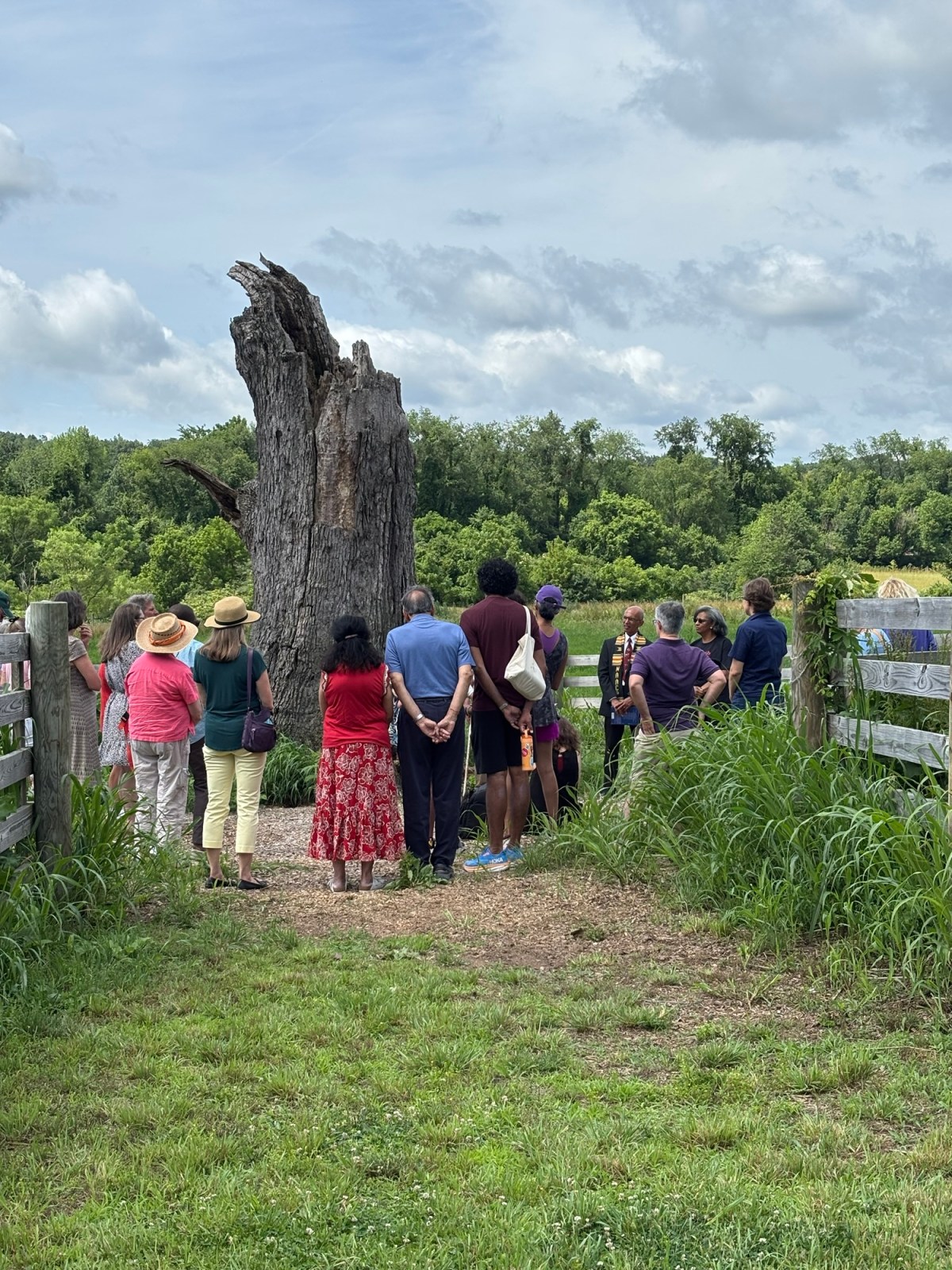
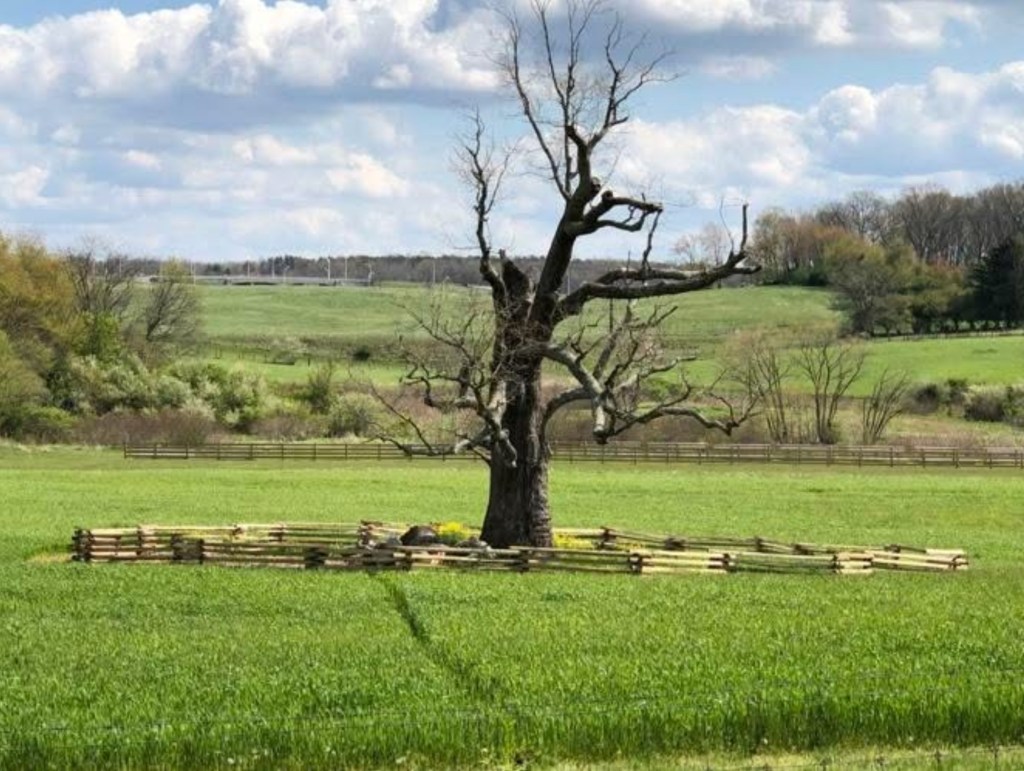
The Merry Tree, now a broken and weathered stump southeast of the Preston home, once stood as a silent witness to over a century of enslavement. It remains a sacred place where descendants return to honor their ancestors. We are gathering stories, photos, and memories connected to this tree. Let’s preserve its powerful legacy.

Help Us Tell the Story of the Merry Tree

For over a century, the Merry Tree stood as a silent witness to the lives of the 226 people enslaved by the Preston family at Smithfield, Blacksburg, Virginia. Planted near the time the Prestons built their home, this tree bore witness to generations of forced labor, family separation, resistance, and endurance. Though now reduced to a broken and weathered stump, the Merry Tree remains a place of deep meaning—especially for the descendants of those once enslaved, who return here to remember, honor, and reflect.

We are seeking to gather as much information, memory, and meaning as possible about this special tree. Did your family speak of it? Do you have photos, stories, or oral history connected to the Merry Tree? Whether you are a descendant, community member, or researcher, your voice matters in helping us preserve and understand the role this sacred place played in Black history in Montgomery County.

Please share what you know. Together, we can ensure the story of the Merry Tree—and those who stood beneath it—is never forgotten.

#MerryTree #BlackHistory #SmithfieldVoices #CommunityMemory #TruthTelling

https://themerrytree.vt.domains

https://news.vt.edu/articles/2022/03/unirel-merryoak.html

https://youtu.be/MRtNTU6f5Ao?si=M82B2-3mk2GNea19

https://fb.watch/Al2YW58dry/?fs=e

https://fb.watch/Al2_CTJG-s/?fs=e

https://news.vt.edu/videos/k/2024/08/1_tznvjyyu.html

https://www.wfxrtv.com/news/local-news/new-river-valley-local-news/merry-oak-tree-brings-dozens-together-to-remember-enslaved-families/

https://historicsmithfield.wordpress.com/2017/02/28/merry-oak/?fbclid=IwQ0xDSwLCMlZleHRuA2FlbQIxMQABHv0vjeN0Bf21sot8c_kdCGs34nl7HL1kqw3D79M5olBaYuk-obb_VAJ2ggBQ_aem_hTV02h4a8q1x_cCGxX_nBA

https://montcova.com/2024/08/02/historic-smithfield-dedicates-merry-oak-bench/

https://www.wvtf.org/news/2025-06-19/juneteenth-event-honors-226-people-who-were-enslaved-at-smithfield-plantation

https://virginiahumanities.org/events/2022/03/1872-forward-vt/

https://virginiahumanities.org/2022/08/more-than-a-fraction-the-power-of-the-merry-tree/

https://morethanafraction.com/uploads/1/3/2/3/132308734/drkmoseleyhobbs_cp.pdf
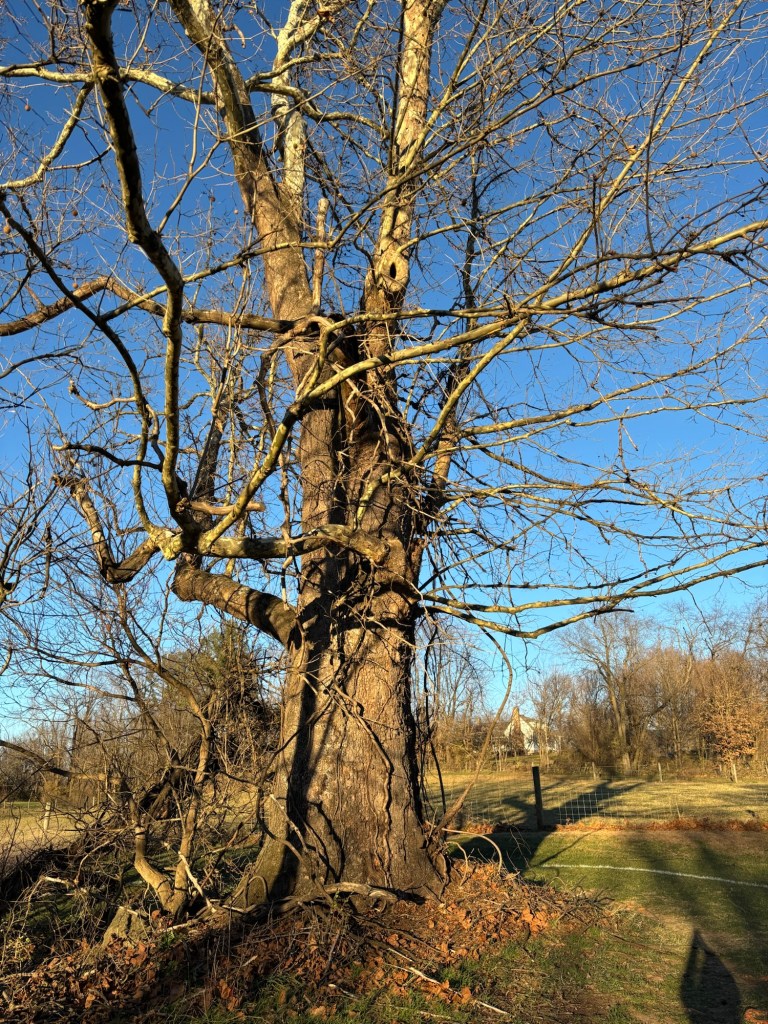
Witness Tree – Sycamore Guarding the Spring

This enormous sycamore stands just east of the spring that once provided potable water for the people living on the Smithfield property. The spring lies a considerable distance from the house and closer to the old Merry Oak. One can only imagine the countless gallons of water enslaved people carried from that spring to the white house on the knoll over nearly a century. Like the Merry Tree, this sycamore may have held significance for the men, women, and children forced to labor here—its presence a silent witness to their daily lives.
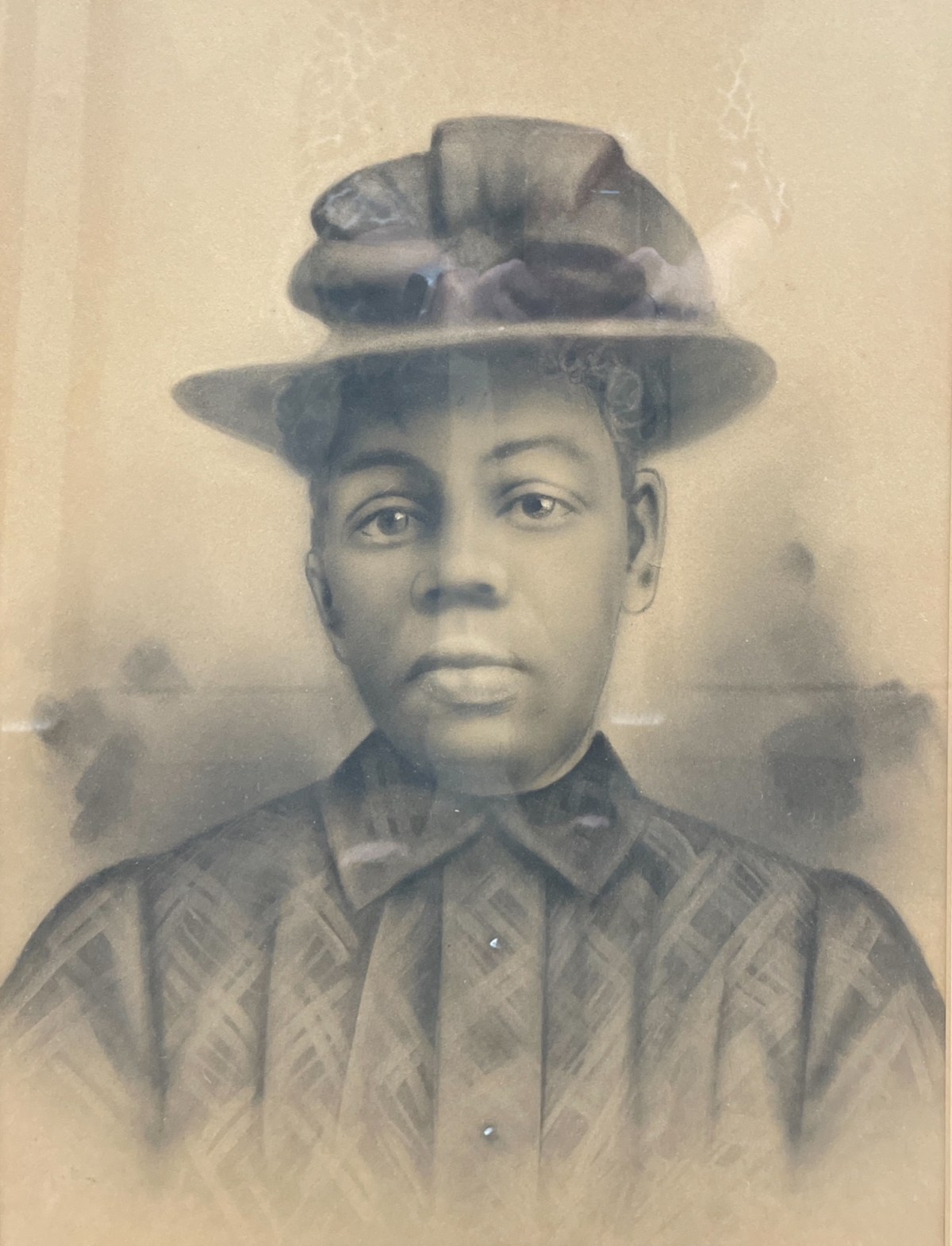
Crayon Enlargement Portraits – Lost Faces

Crayon Enlargement Portraits were popular between the late 1890s and early 1900s. They provided an affordable way to capture and display large-format portraits, offering an alternative to the more expensive painted portraits of the time.

Crayon Enlargement Portraits were popular between the late 1890s and early 1900s. They provided an affordable way to capture and display large-format portraits, offering an alternative to the more expensive painted portraits of the time. The process involved taking a negative made by a local photographer and sending it to a specialist who used a solar enlarger to expose the image onto specially processed salted photographic paper. Because the enlargement process often emphasized imperfections on the negative plate, an artist would enhance the black-and-white print with pencil and crayon media, sometimes adding color.

The unidentified African American portraits featured on this website have been donated to local museums or found in antique shops. They are presented here in the hope of eventually identifying the individuals and preserving their stories.

Portrait of an unknown man (Courtesy of Montgomery Museum of Art and History)
Portrait of an unknown man, found in a New Town house, Blacksburg, Va (Courtesy of Montgomery Museum of Art and History)
Portrait of an unknown woman (Courtesy of Montgomery Museum of Art and History)
Portrait of an unknown man (Courtesy of Christiansburg Institute, Inc)

Resources

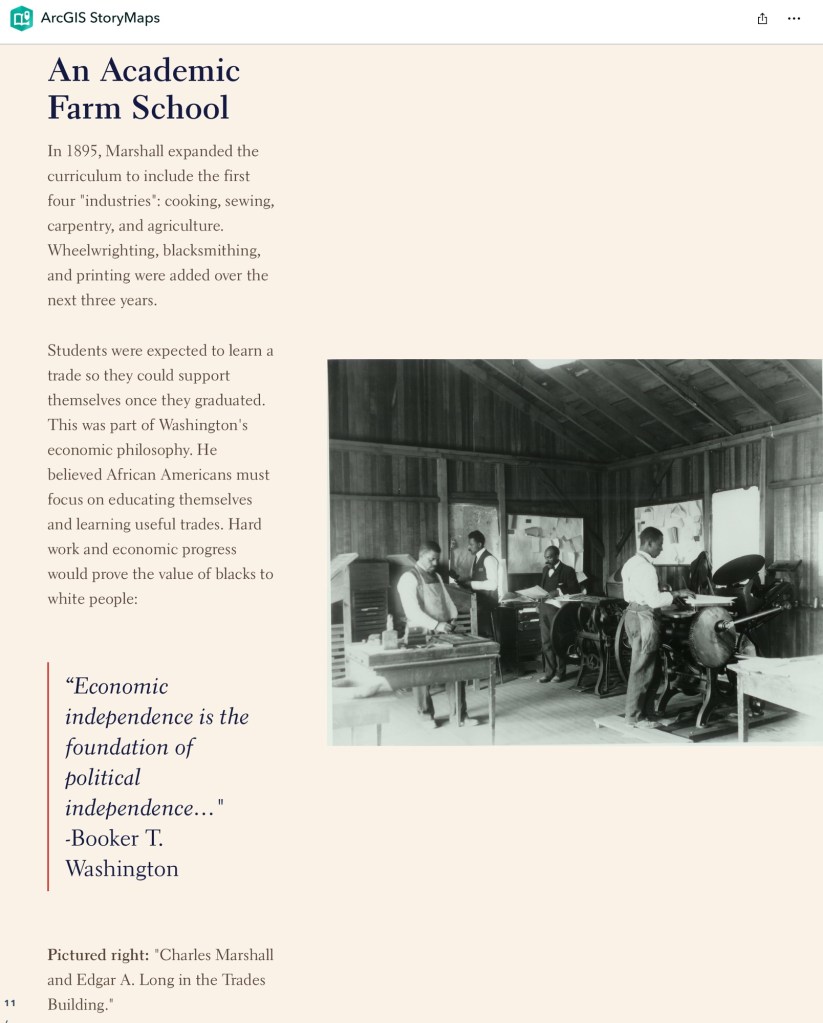
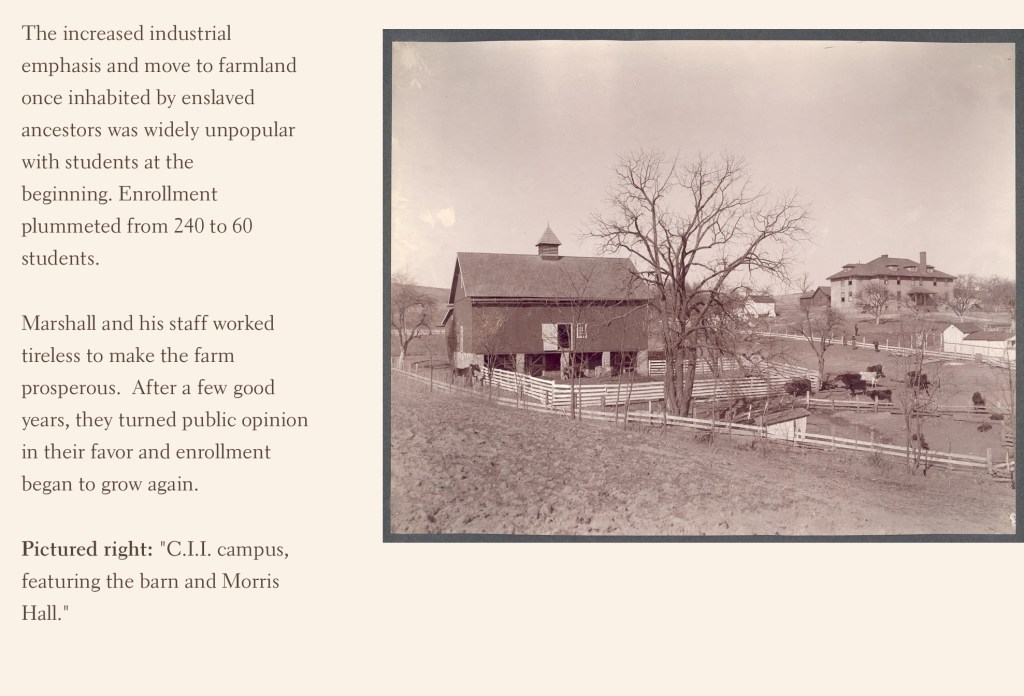
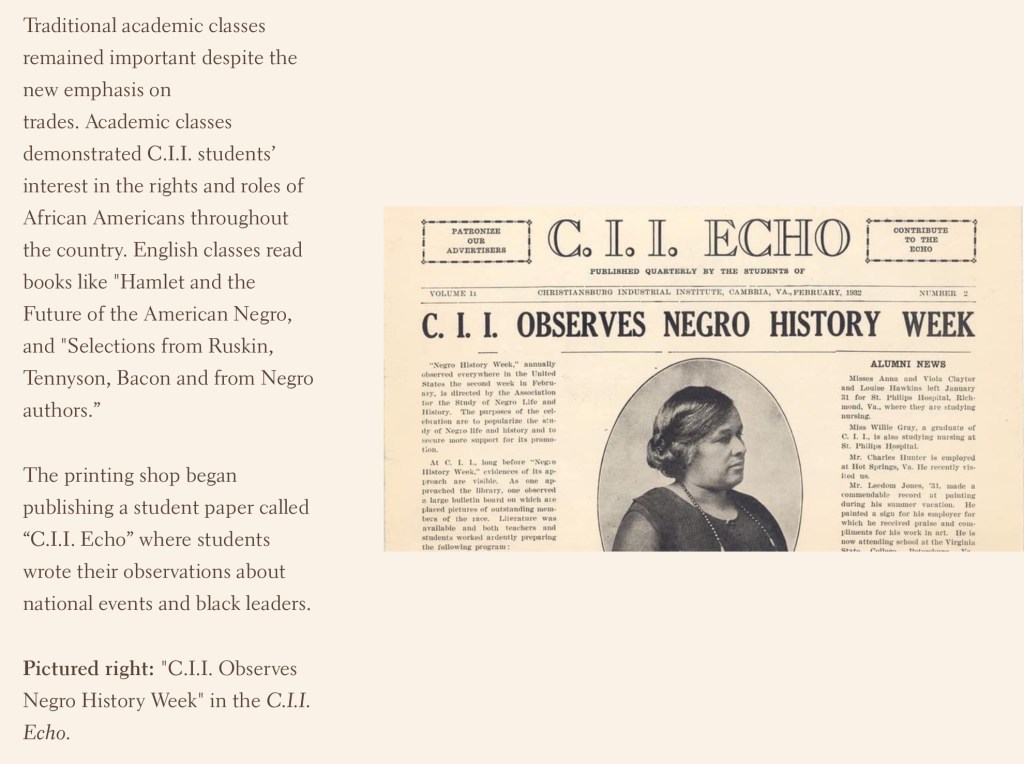
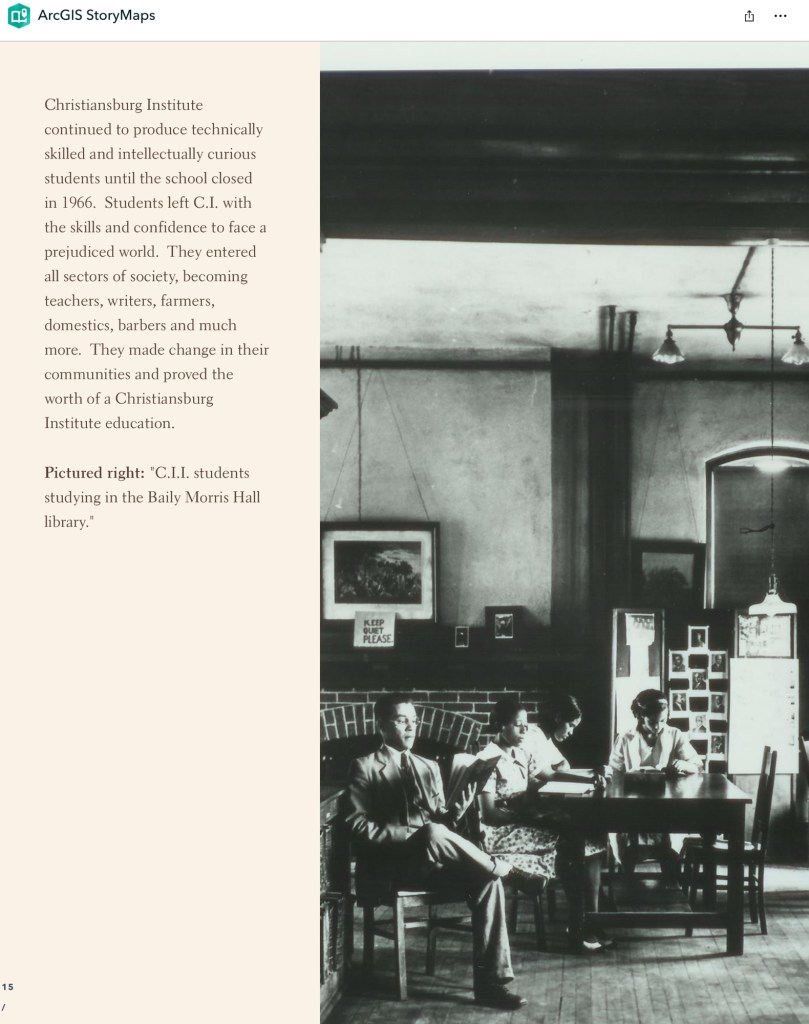
Preserving History: Christiansburg Institute’s Inc. Story Map Project

This digital exhibit is a thoughtfully crafted visual timeline highlighting the school’s key milestones and the individuals who shaped its legacy. This work honors the strength, resilience, and vision of the Black community in Montgomery County during the Reconstruction era and beyond.

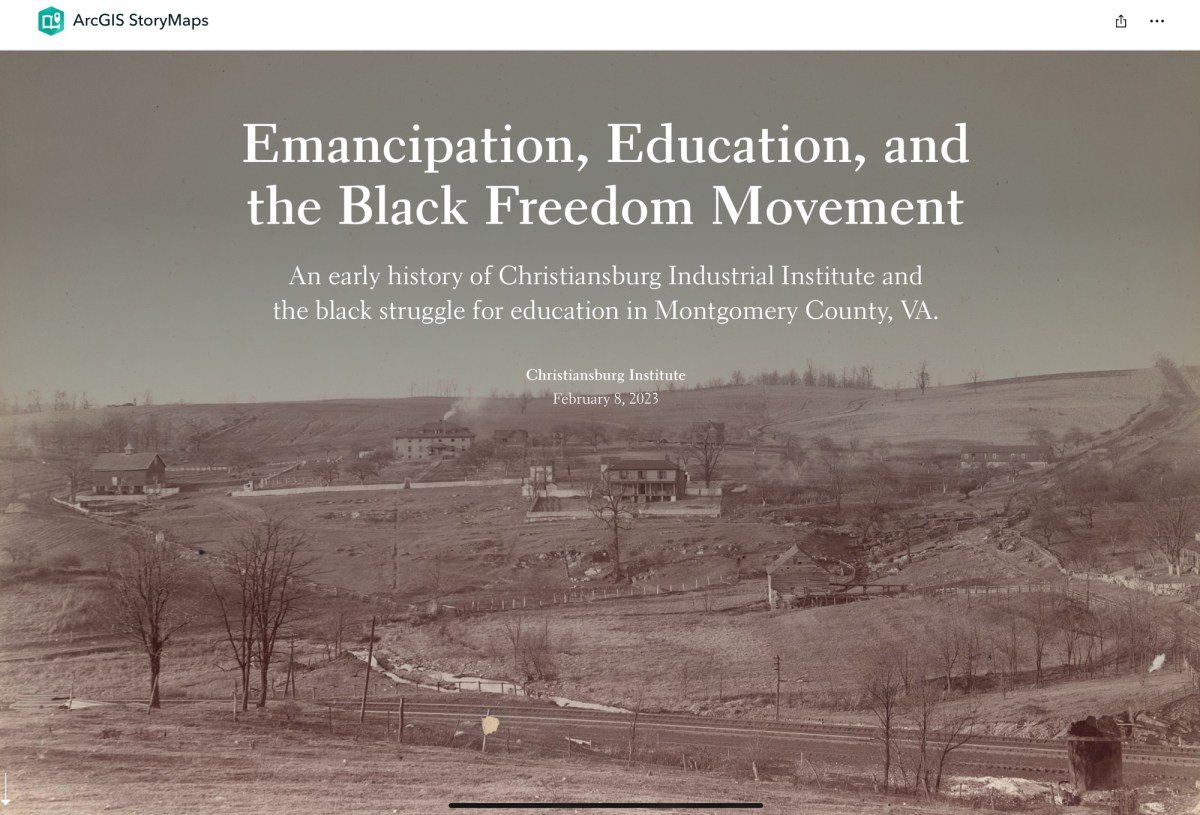
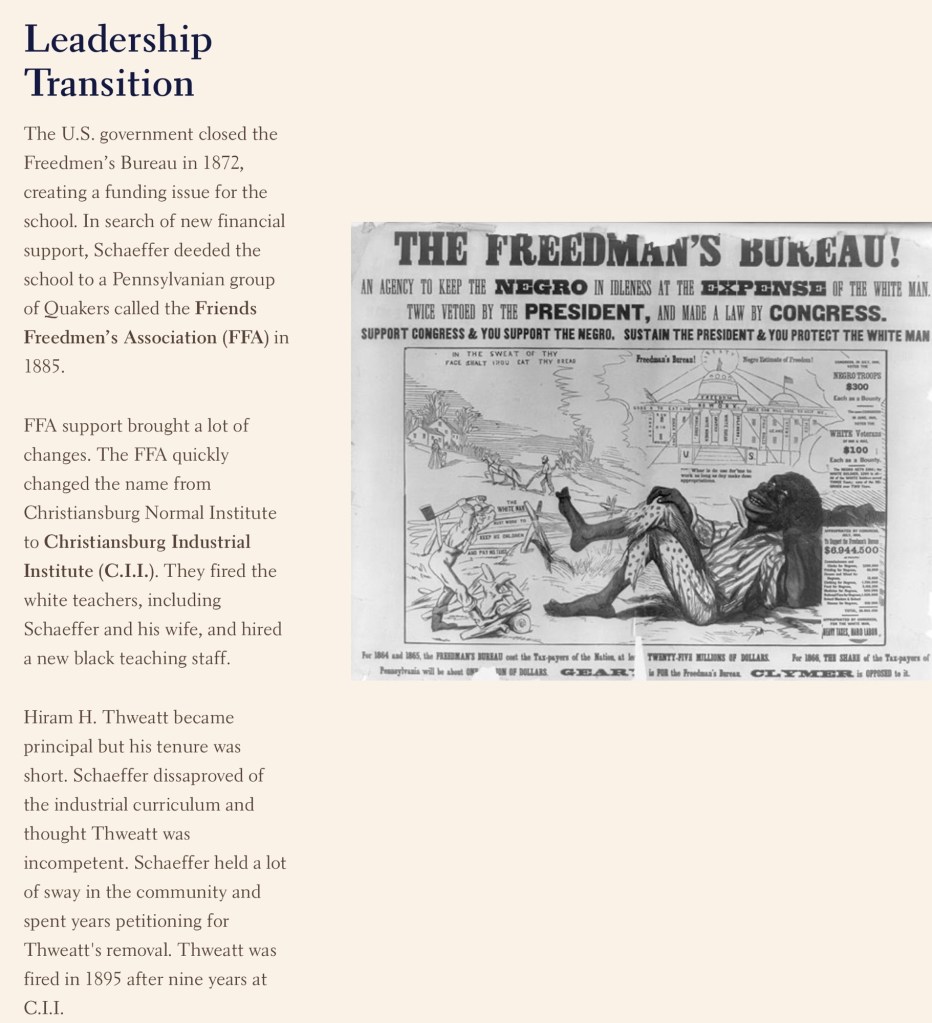
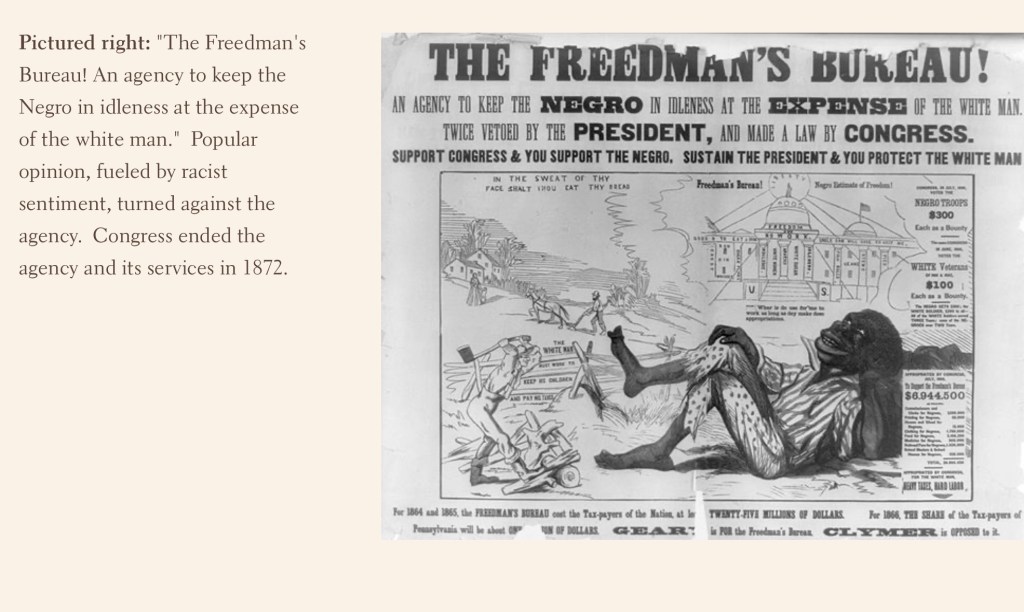
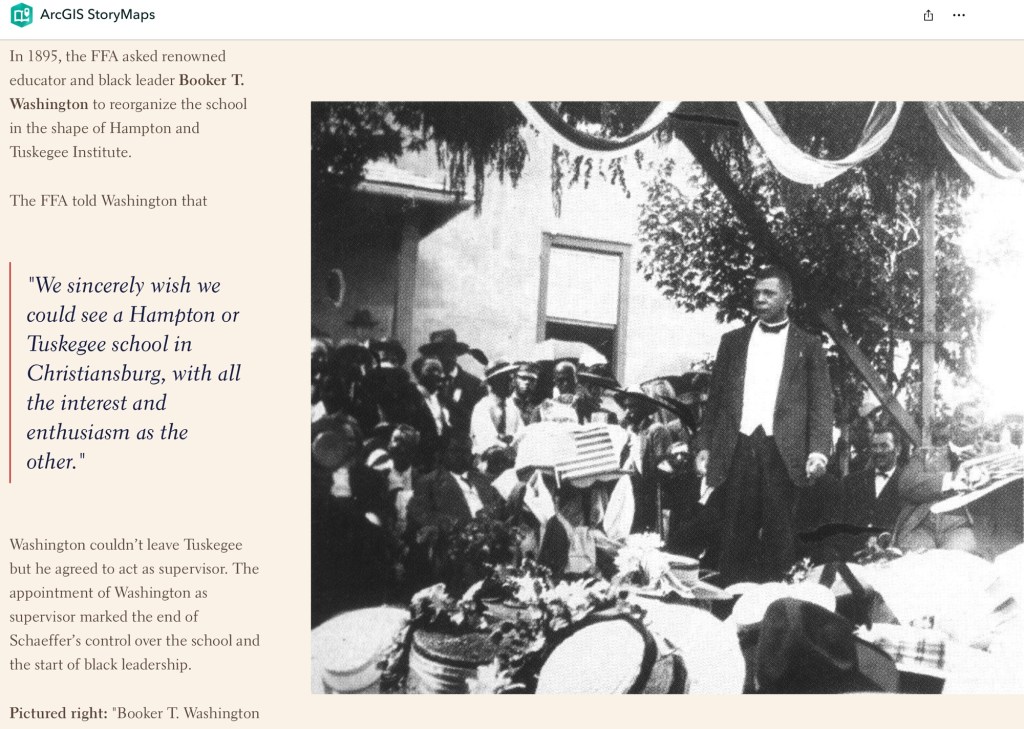
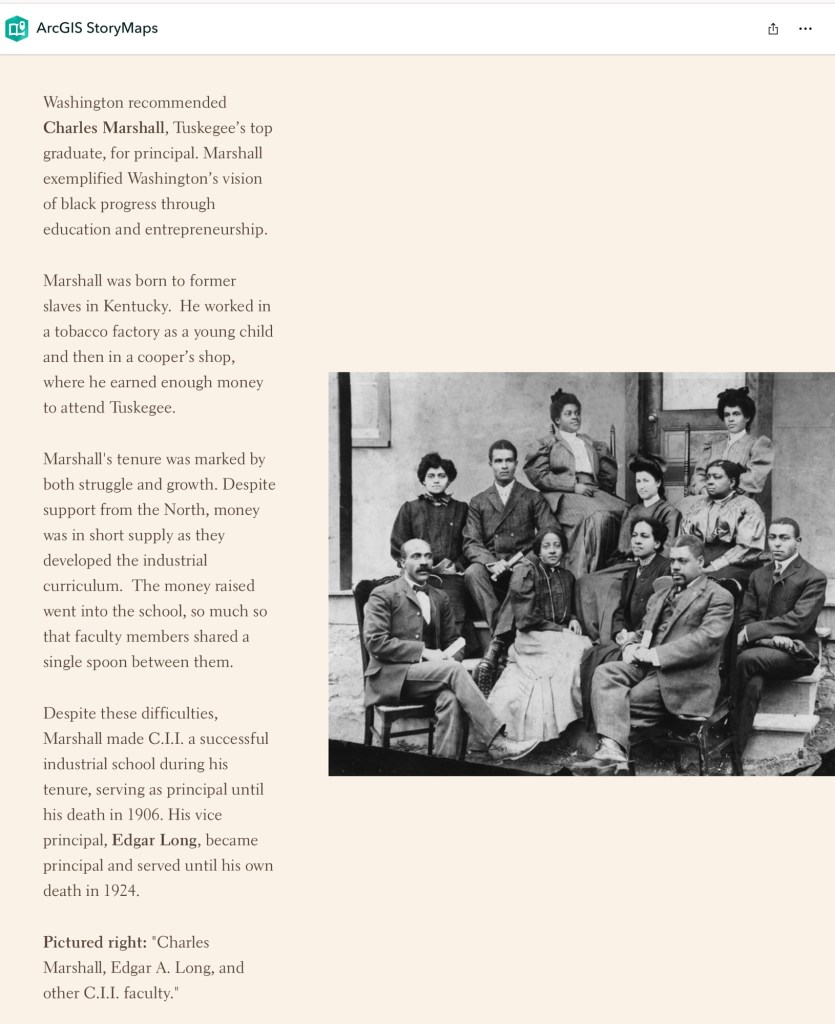
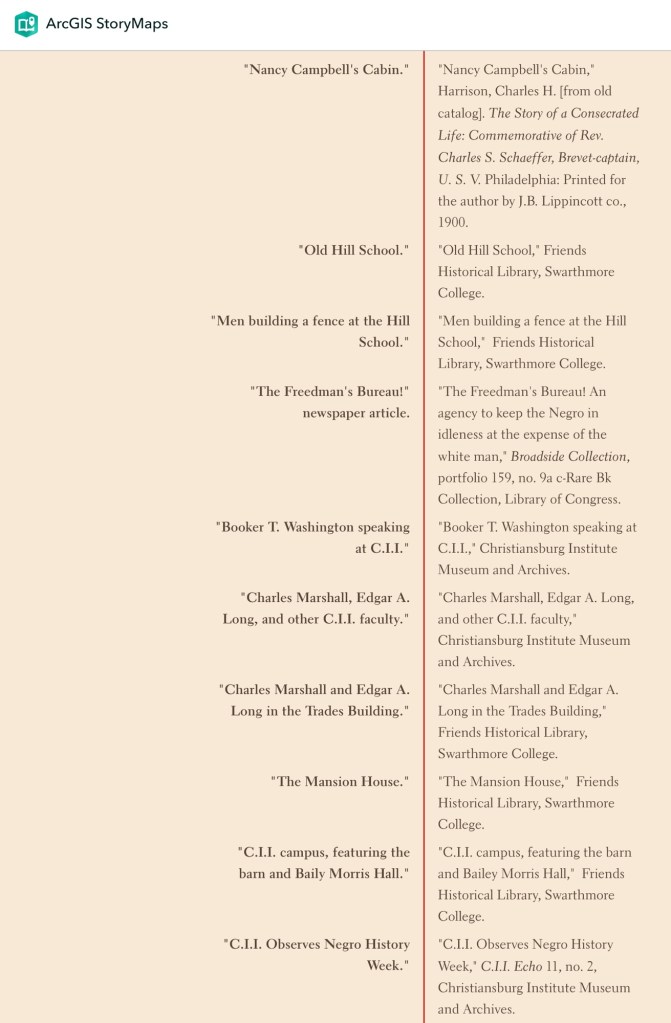
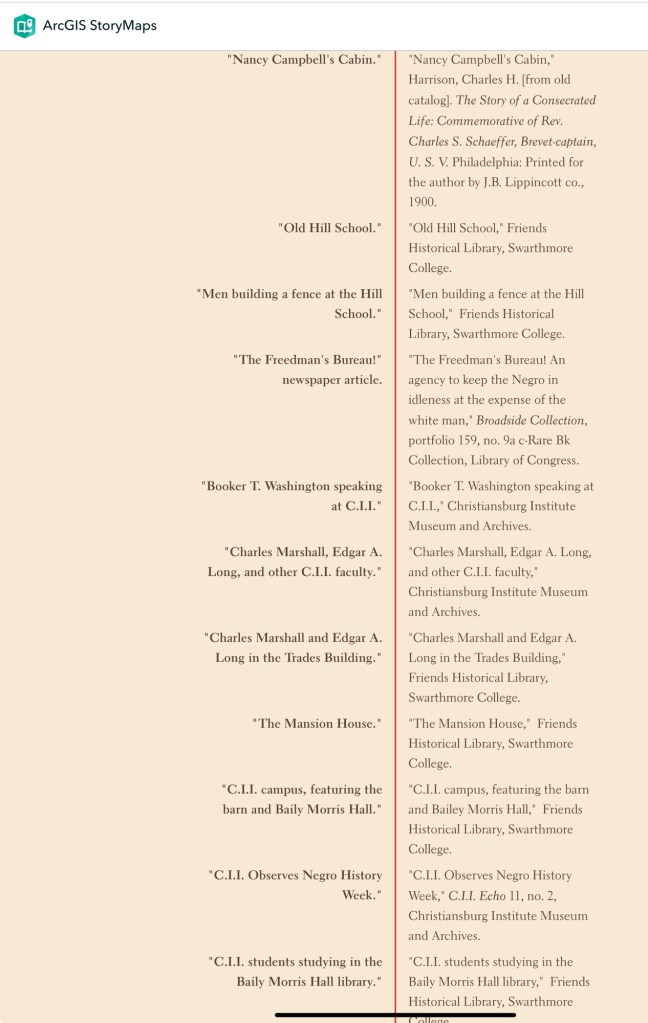
Christiansburg Institute, Inc. has developed an important ArcGIS Story Map that traces the powerful history of the Christiansburg Industrial Institute—an African American school founded between 1866 and 1867 by local freedmen with support from Charles S. Schaeffer, a representative of the Freedmen’s Bureau.

This digital exhibit was curated by Demiah Smith, who thoughtfully crafted a visual timeline highlighting the school’s key milestones and the individuals who shaped its legacy. Her work honors the strength, resilience, and vision of the Black community in Montgomery County during the Reconstruction era and beyond.

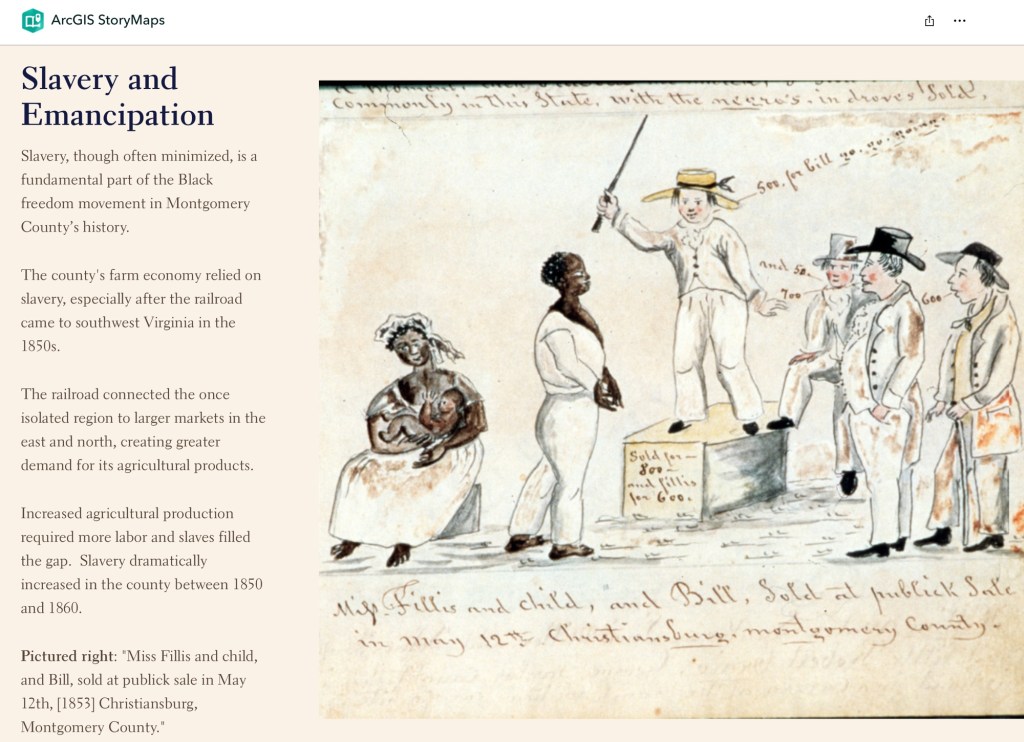
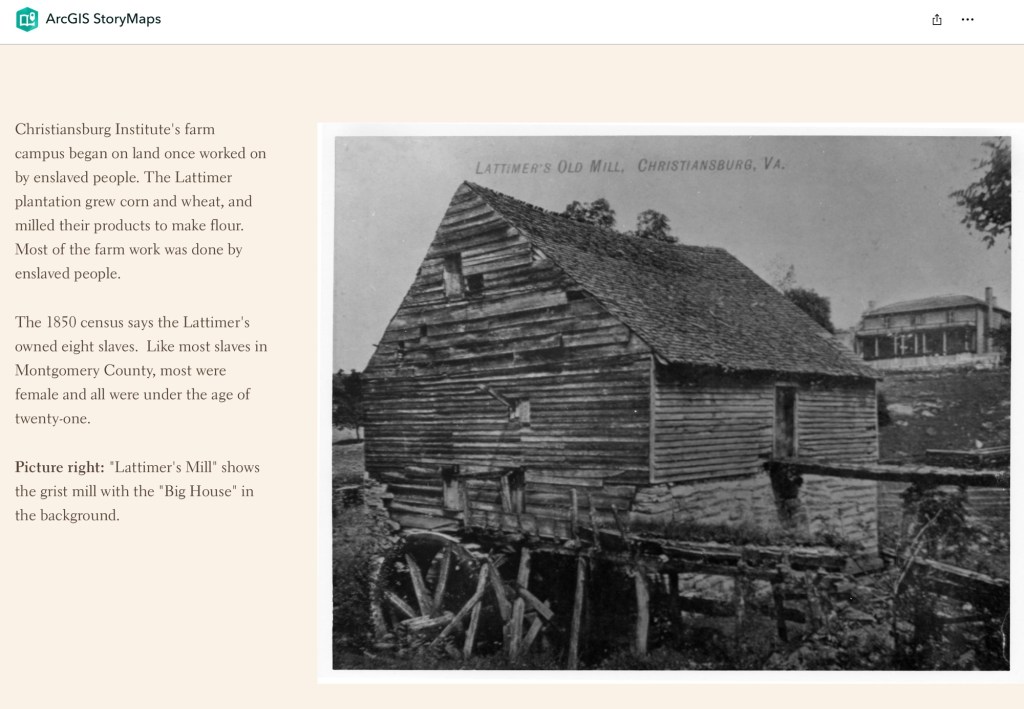
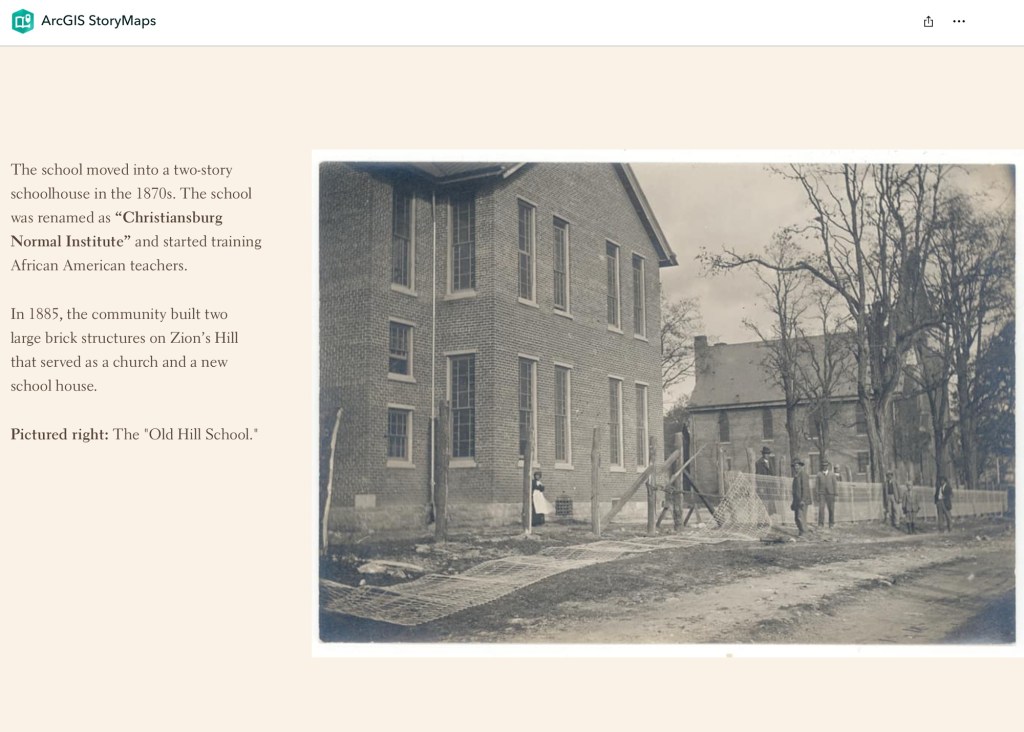
To ensure the preservation of this work—especially after Christiansburg Institute, Inc. lost critical funding from the Institute of Museum and Library Services and the National Endowment for the Humanities—we’ve captured and archived the Story Map as images. This way, Demiah’s contribution and the vital story of CI will remain accessible even as the organization faces serious challenges due to the loss of federal support during the DOGE-era funding cuts.

We remain committed to uplifting and preserving this history. Stay tuned as we continue to find ways to support the legacy of the Christiansburg Institute and the people who made it possible.

Preservation of Historic St Luke, Odd Fellows & House of Ruth Under One Roof – Blacksburg, Virginia

St Luke, Odd Fellows, & House of Ruth Orders served the African American Communities which were settled soon after emancipation and located within the Town of Blacksburg and the surrounding areas within the Montgomery County, Virginia.

Within the region we know that a lodge existed in Roanoke, Christiansburg, Pulaski (Radford) and Blacksburg. The documents indicate that they were in close communications. Who was instrumental in bringing these orders to the New River Valley? Who interfaced with Maggie Walker’s Penny Savings Bank? Much to discover.

St Luke, Odd Fellows & House of Ruth (Photo taken September 2023)

Lone Light Lodge #3026. Instituted Aug 3, 1888. Pulaski City, VA (Courtesy of Christiansburg Institute, Inc

Preserving the Legacy of African American History in Montgomery County, Virginia

Welcome to our journey of discovery and preservation. This blog is dedicated to honoring and safeguarding the invaluable historical documents that encapsulate the story of African American communities in Montgomery County, Virginia. Together, let’s uncover, preserve and share.