

By the early 1900s, the Grand United Order of Odd Fellows had gained significant popularity, with both men and women joining its secret societies. This benevolent group was established in Blacksburg, Christiansburg and Pulaski, Virginia to improve their communities by providing charitable support to orphans, the sick, and the poor.
Symbols hold significant importance in education and as visual reminders for members of the Grand United Order of Odd Fellows (GUOOF) for several reasons:
- Simplification of Complex Ideas: Symbols distill complex concepts into simple, recognizable forms, making it easier to convey teachings and principles.
- Memory Aids: They serve as mnemonic devices, helping members remember key teachings, values, and rituals.
- Engagement: Visual representations engage members more deeply than text alone, fostering better understanding and retention.
- Communication: Symbols transcend language barriers, enabling diverse groups to share common understandings and values.
- Constant Presence: They act as continual, visual reminders of the GUOOF’s values and principles, reinforcing them in daily life.
- Identity and Unity: Symbols create a sense of belonging and unity among members by providing a shared set of images and meanings.
- Moral Guidance: They encapsulate moral and ethical lessons, guiding members in their conduct and decision-making.
- Tradition and Continuity: Symbols connect current members to the historical roots and traditions of the GUOOF, promoting continuity and respect for the organization’s heritage.
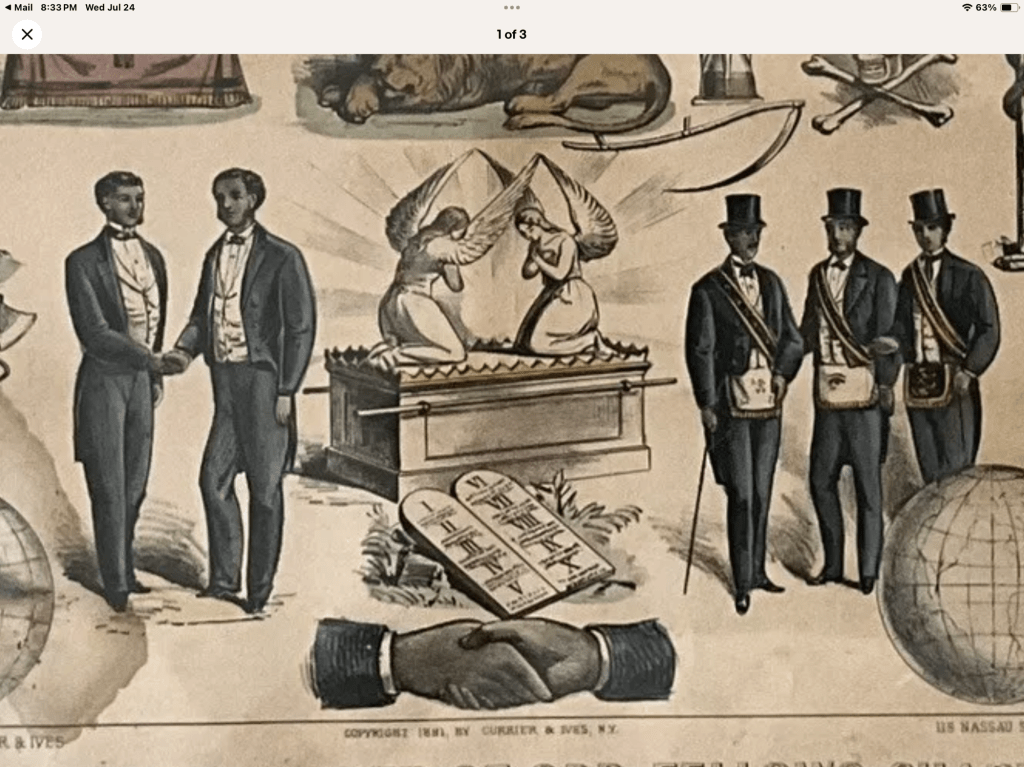
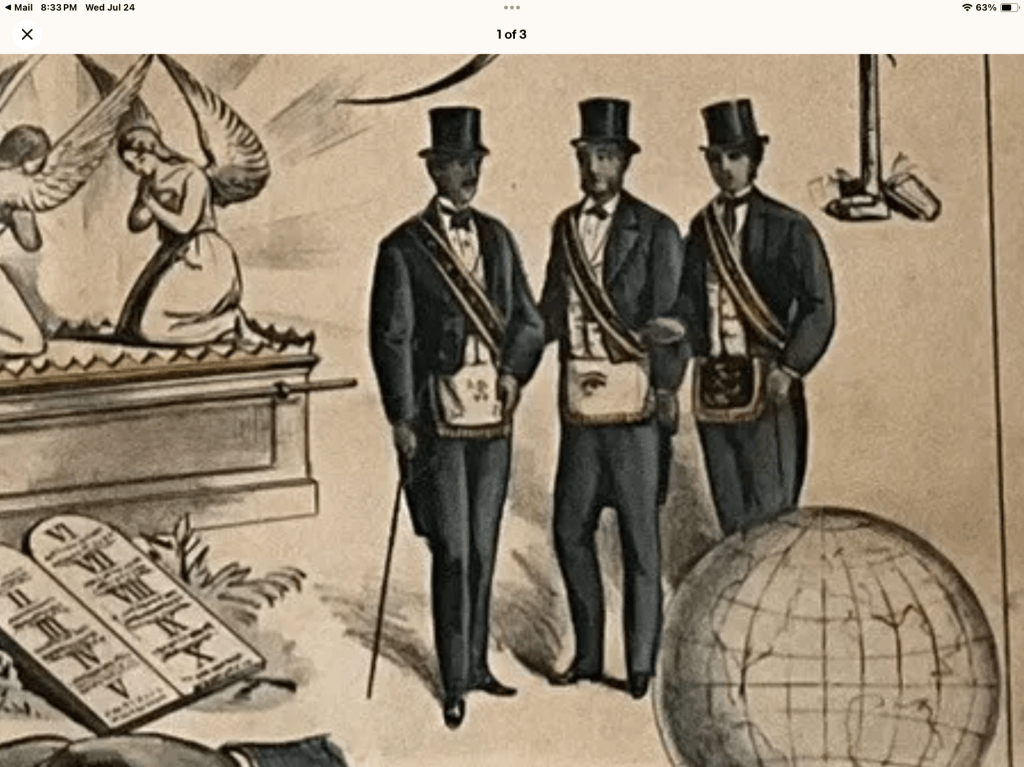
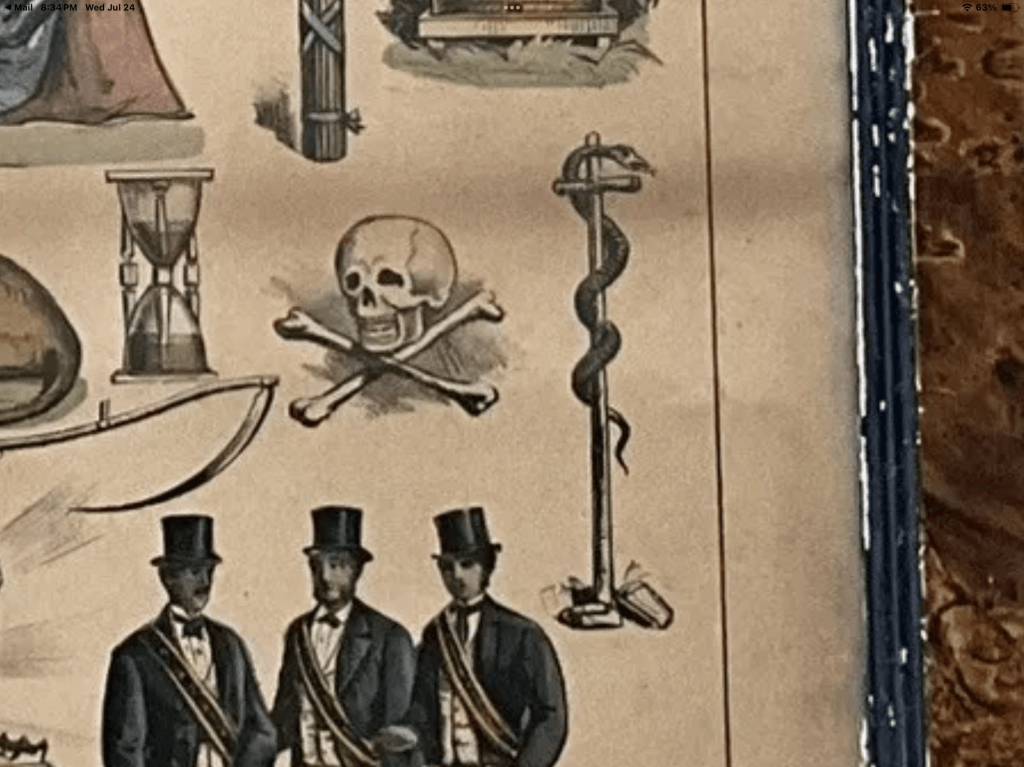
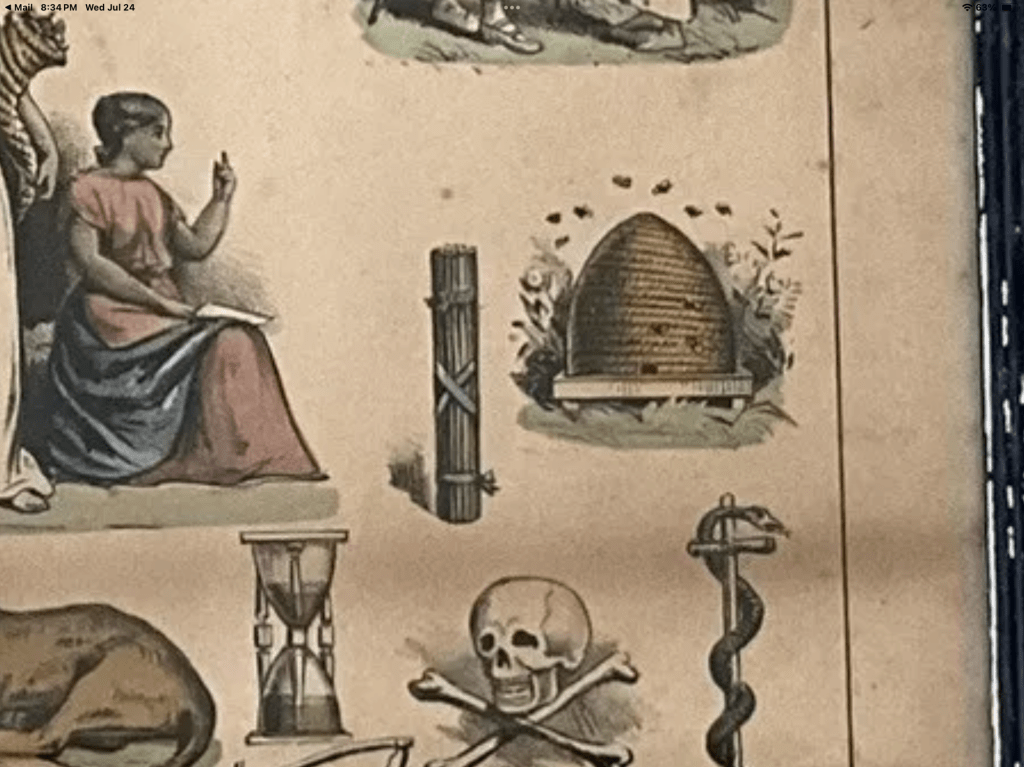
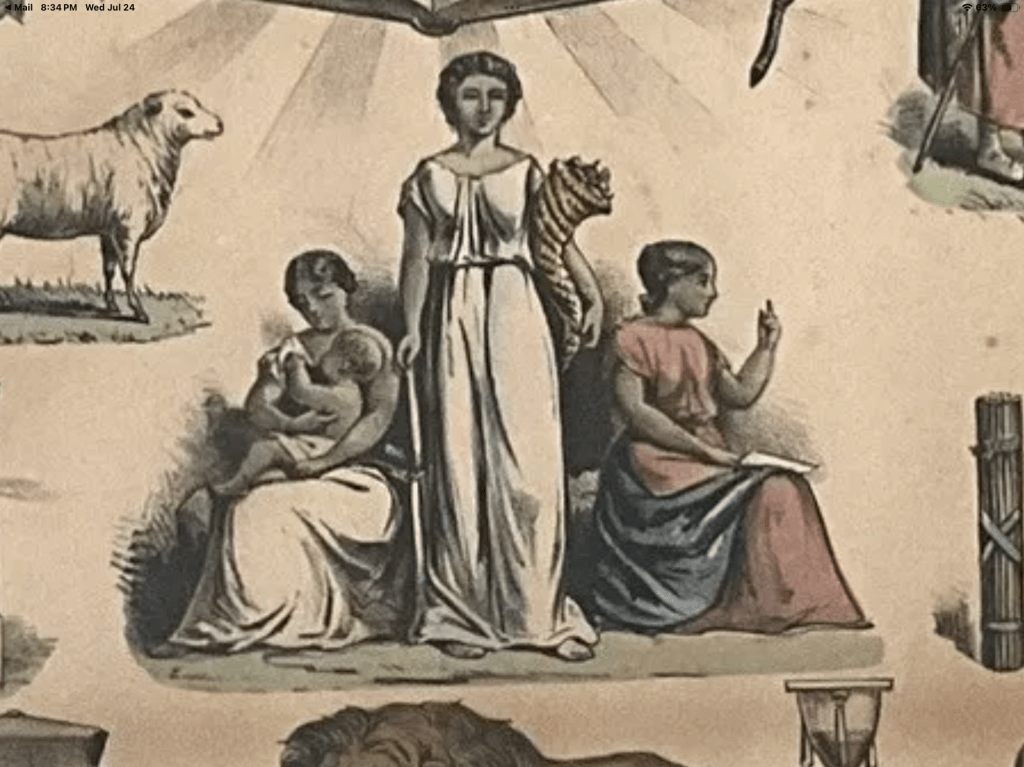
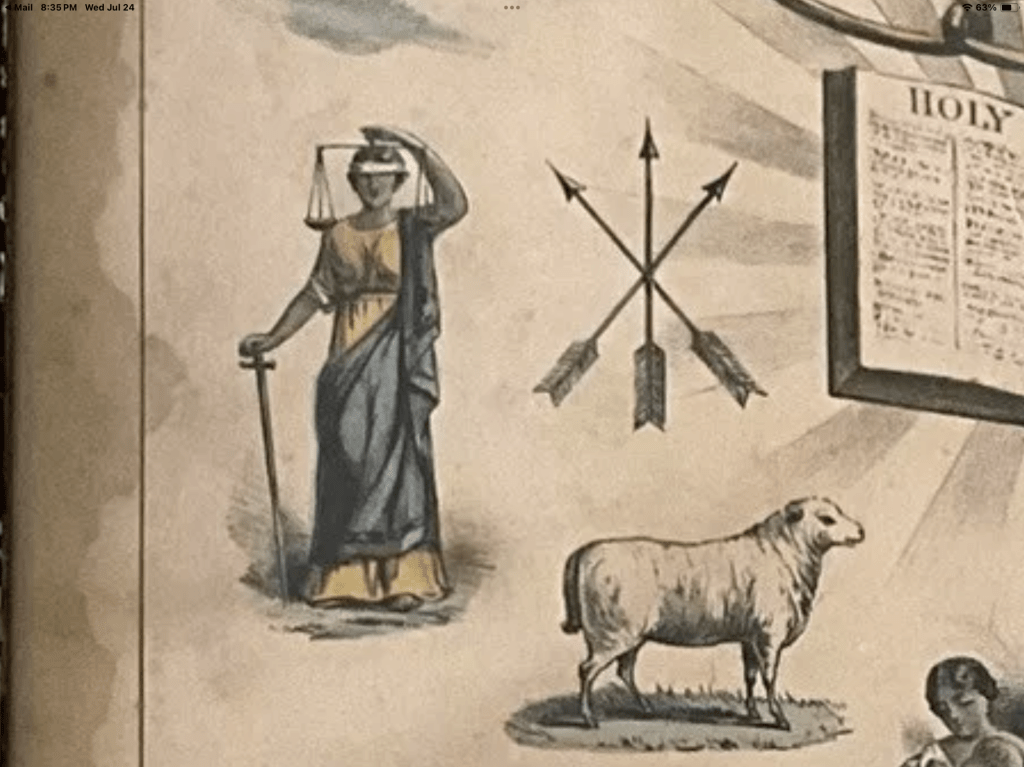
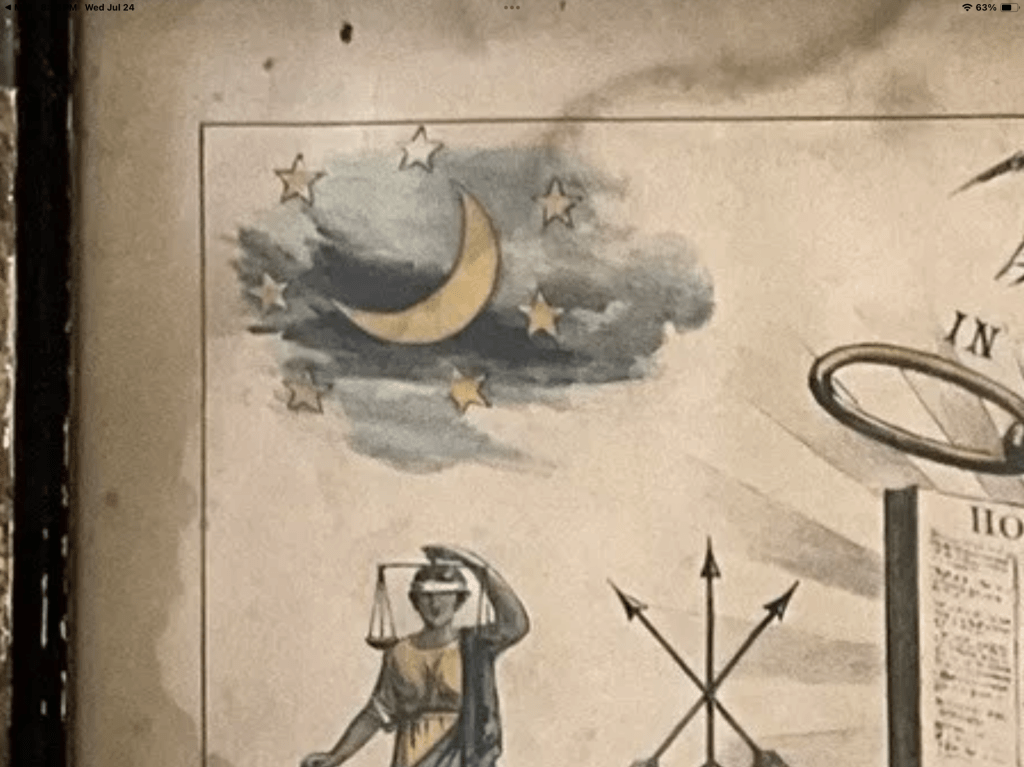
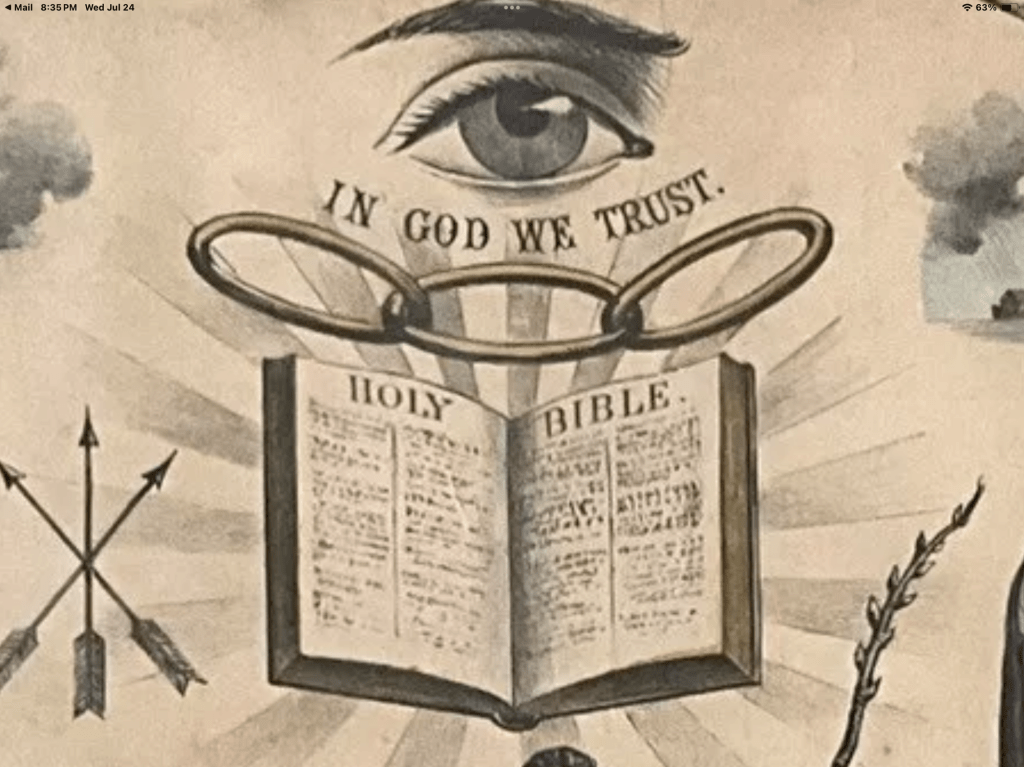
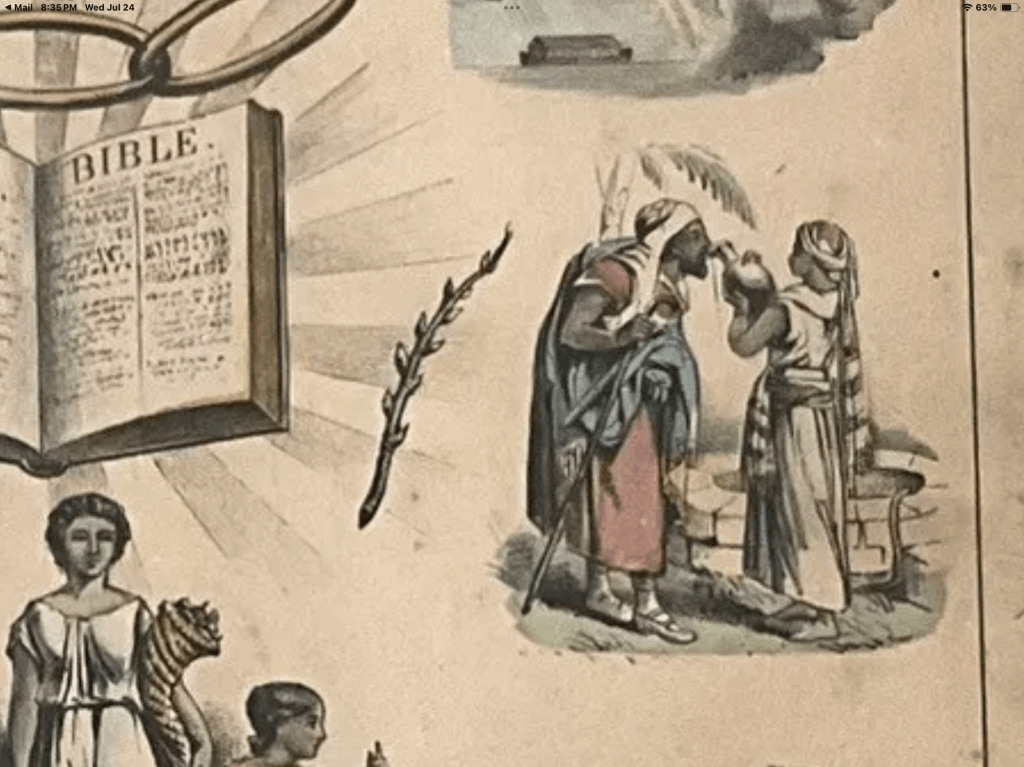
This Currier & Ives of New York 1881 print illustrate the common symbols which the order’s members would recognize and hold dear.






 Gathering African American History